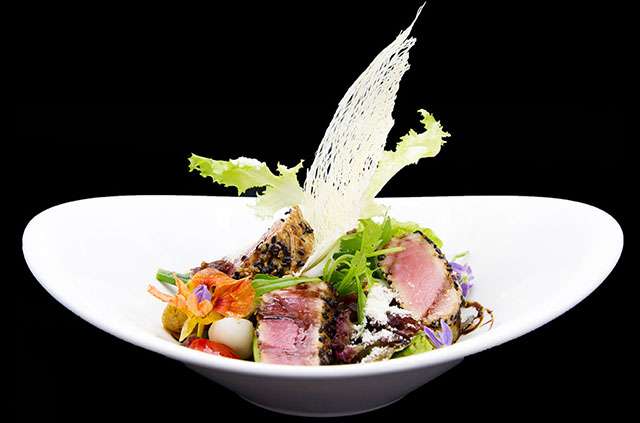
Vietnamese Ingredients Behind Duong Restaurant Saigon’s Unique Food
Vietnamese cuisine is built on contrast: fresh herbs against rich sauces, bright acidity beside gentle sweetness, and fragrant aromatics that make each dish feel vivid without becoming heavy. At Duong Restaurant Saigon, this balance meets French-inspired technique in a fine-dining setting on Dong Du Street in District 1.
The result is a menu that feels recognizably Vietnamese while allowing ingredients to speak with clarity. The five ingredients below help explain why dishes such as rice noodle beef rolls, seafood, tuna steak, salads, and soups can carry both familiar local character and a polished contemporary finish.
Fish Sauce Brings Depth And Balance
Nước mắm, or Vietnamese fish sauce, is one of the country’s most important flavor foundations. Made from fermented fish and salt, it contributes savory depth, gentle salinity, and an unmistakable aroma. Used carefully, it does not make a dish taste strongly of fish; instead, it gives other ingredients greater definition.
In Vietnamese-French fusion cooking, fish sauce can work much like a concentrated seasoning. A small amount may lift a dressing, sharpen a seafood preparation, or give a sauce a more layered finish. This is especially valuable in refined dishes, where seasoning needs to be precise rather than forceful.
Rice And Rice Noodles Create A Gentle Foundation
Rice appears in Vietnamese food in many forms, from steamed grains and delicate noodles to rice paper and flour-based wrappers. Its mild flavor provides a clean background for herbs, grilled ingredients, seafood, and richly seasoned sauces.
Rice noodles are especially important in dishes such as beef rolls. Their soft, springy texture can make a roll feel light while still adding substance. When paired with fresh vegetables and a balanced dipping sauce, noodles help create the combination of tenderness, freshness, and texture that makes Vietnamese food so appealing.
| Ingredient |
Flavor Contribution |
Typical Culinary Role |
Why It Matters At Duong |
| Fish sauce |
Savory, salty, fermented depth |
Seasoning and dipping sauces |
Gives sauces a distinctly Vietnamese foundation |
| Rice noodles |
Mild flavor and soft elasticity |
Rolls, noodle dishes, and fillings |
Adds structure without overwhelming other ingredients |
| Lemongrass |
Citrus fragrance and light spice |
Marinades, broths, and seafood pairings |
Connects bright Vietnamese aroma with modern presentation |
| Fresh herbs |
Green, cooling, aromatic notes |
Salads, garnishes, and side components |
Keeps rich or grilled elements feeling fresh |
| Black pepper |
Warm spice and gentle sharpness |
Finishing seasoning and sauces |
Adds intensity while preserving ingredient clarity |
Lemongrass Adds Fragrance Without Heaviness
Lemongrass is recognizable for its clean citrus scent, subtle ginger-like warmth, and woody freshness. It is often bruised, sliced, or infused so its aroma can move through a broth, marinade, or sauce without dominating the plate.
This makes it a natural bridge between Vietnamese ingredients and French culinary methods. Lemongrass can complement fish, shellfish, chicken, mushrooms, and vegetables, while its brightness helps rich preparations remain graceful. In a restaurant setting, it also adds an aromatic moment before the first bite, making the dining experience feel more layered.
For guests exploring the city’s food culture after visiting the War Remnants Museum, a lemongrass-scented dish offers another way to encounter the complexity of contemporary Vietnamese identity through taste.
Fresh Herbs Keep Every Plate Lively
Fresh herbs are essential to the Vietnamese approach to balance. Mint, Thai basil, coriander, Vietnamese coriander, and other leafy aromatics can bring coolness, sweetness, peppery notes, or a slightly anise-like character. They are often added at the table or used as a finishing element so their fragrance remains bright.
Herbs also provide contrast in texture. A tender salad, seafood dish, or rice noodle roll becomes more engaging when soft ingredients meet crisp leaves and delicate stems. Their freshness can offset caramelized flavors, creamy sauces, or grilled meats without requiring a heavy garnish.
This emphasis on freshness is one reason Vietnamese-inspired cuisine can feel satisfying without being overly rich. The plate remains expressive, but the flavors are organized around clarity and movement.
Black Pepper Sharpens The Final Impression
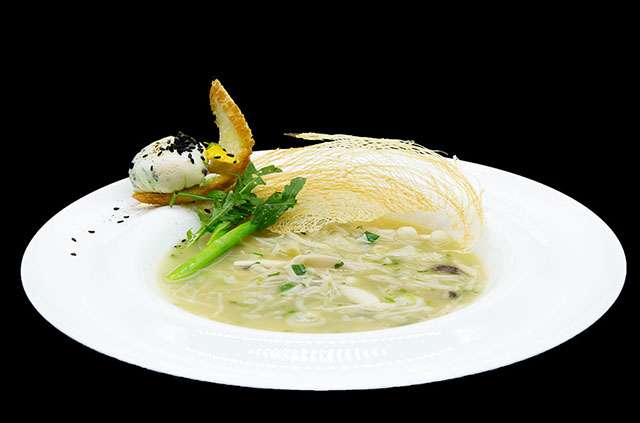
Black pepper may seem less distinctive than fish sauce or lemongrass, yet it plays an important supporting role. Vietnamese pepper is valued for its warm aroma and direct, clean heat. It can deepen a mushroom soup, emphasize the savory character of beef, or bring focus to seafood and vegetables.
Used as a finishing seasoning, black pepper creates a final lift rather than a lingering burn. That quality works well with French-influenced presentation, where sauces and primary ingredients are often kept distinct. A few freshly ground grains can make a dish taste fuller while preserving the natural character of its main component.
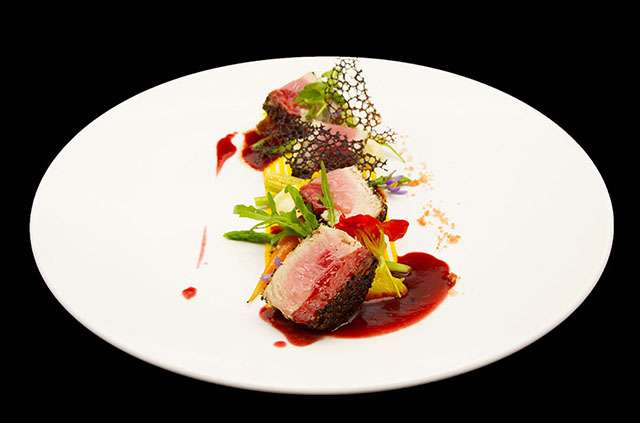
The best use of pepper is measured. It should frame the flavor of tuna, mushrooms, or meat rather than cover it, reinforcing Duong Restaurant Saigon’s chef-led approach to carefully composed dishes.
How These Ingredients Shape A Fusion Menu
Vietnamese-French fusion is not simply a matter of placing local ingredients beside European techniques. It depends on understanding what each ingredient contributes: fish sauce builds umami, rice creates a calm base, lemongrass introduces fragrance, herbs provide freshness, and pepper adds a precise finish.
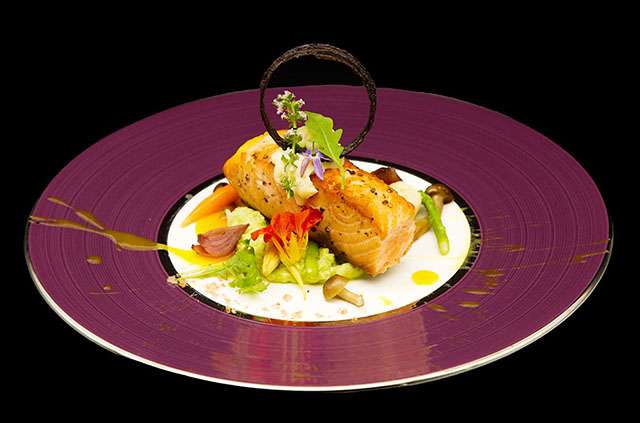
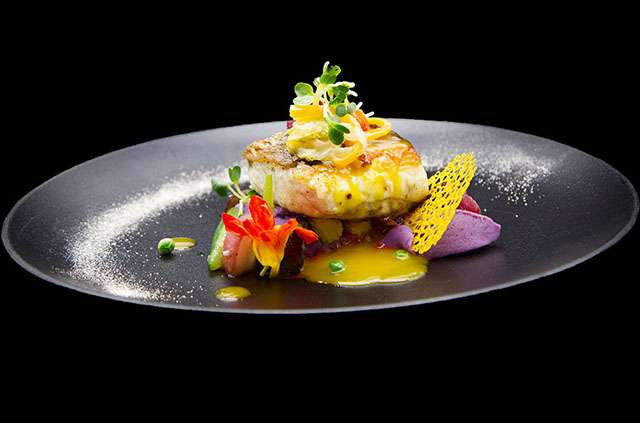
That philosophy can be seen in the way a menu moves between familiar Vietnamese elements and contemporary preparations. A seafood dish may rely on a light, aromatic sauce rather than a heavy coating. A tuna steak can gain local character from herbs, pepper, or a subtly seasoned accompaniment. Mushroom soup can remain elegant while still carrying the warmth of Vietnamese seasoning.
For a closer look at how these traditions meet, this guide to Vietnamese-French fusion explains the ideas behind the restaurant’s culinary style and its connection to Saigon’s dining culture.
Ways To Experience The Ingredients
A thoughtful order can reveal how the same principles change across different dishes. Consider these approaches when planning a meal:
- Begin with a salad or herb-forward starter to experience Vietnamese freshness and acidity.
- Choose rice noodle beef rolls for a combination of tender filling, soft noodles, herbs, and dipping sauce.
- Select seafood or tuna to notice how lemongrass, fish sauce, pepper, and herbs support delicate flavors.
- Try mushroom soup for a warmer expression of savory depth and aromatic seasoning.
- Pair contrasting courses so bright, fresh dishes balance richer or more intensely seasoned plates.
The ingredients are most memorable when tasted as part of a complete progression. Light herbs and citrus-like aromatics may lead into seafood, while rice noodles and savory sauces offer a more substantial middle course. A carefully paced dinner allows the contrasts to remain distinct.
Reserve a table at Duong Restaurant Saigon on Dong Du Street and discover how these Vietnamese ingredients become part of a polished, chef-led dining experience in the heart of Ho Chi Minh City.