A Beginner’s Guide To Bánh Mì-Inspired Dining At Duong Restaurant Saigon
For many Australians, bánh mì brings to mind a crisp Vietnamese roll filled with grilled meat, pâté, pickled vegetables, cucumber, herbs and chilli. At Duong Restaurant Saigon, that familiar street-food idea can be approached through a more refined, chef-led style of dining. The result is less about recreating a takeaway sandwich and more about exploring its essential flavours in an elegant setting.
Duong Restaurant is located on Dong Du Street in District 1, Ho Chi Minh City, making it convenient for visitors staying near the Saigon River, Nguyen Hue Walking Street or the city’s central hotels. Its menu combines Vietnamese inspiration with French technique, so guests can expect careful presentation, balanced sauces and ingredients treated with fine-dining attention.
A first visit is easiest when you think in flavour groups rather than searching for one exact sandwich. Look for contrasts between fresh herbs, savoury proteins, tangy pickles, creamy elements, toasted textures and chilli heat. These components may appear in rice noodle beef rolls, seafood, tuna, salads or other dishes rather than in a conventional baguette.
The experience will feel familiar to anyone who enjoys Melbourne’s modern Vietnamese restaurants or Sydney’s polished Southeast Asian dining rooms, but the setting remains distinctly Saigon. Allow time to eat slowly, share a few dishes and notice how Vietnamese street-food influences have been adapted for a more relaxed evening meal.
Understand The Bánh Mì Flavour Profile
Traditional bánh mì works because each bite contains several opposing sensations. The bread is crisp, the filling is rich, the vegetables are sharp and refreshing, and herbs or chilli add lift. French influence appears in the baguette and pâté, while Vietnamese ingredients provide brightness and fragrance.
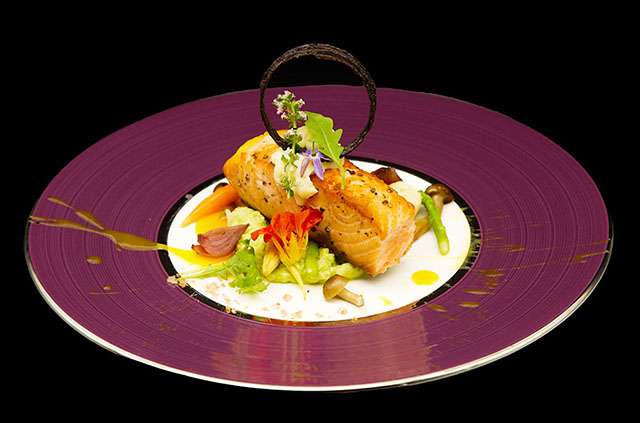
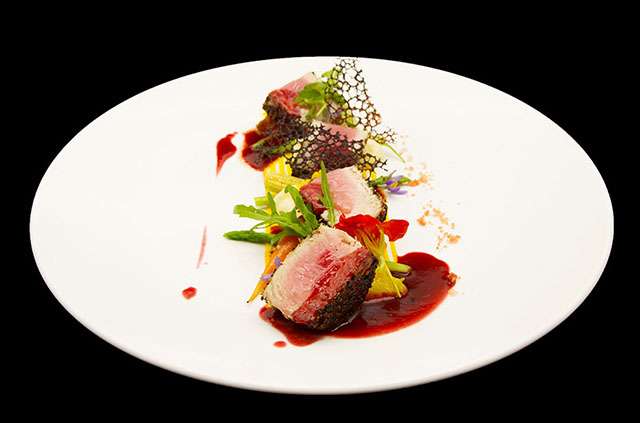
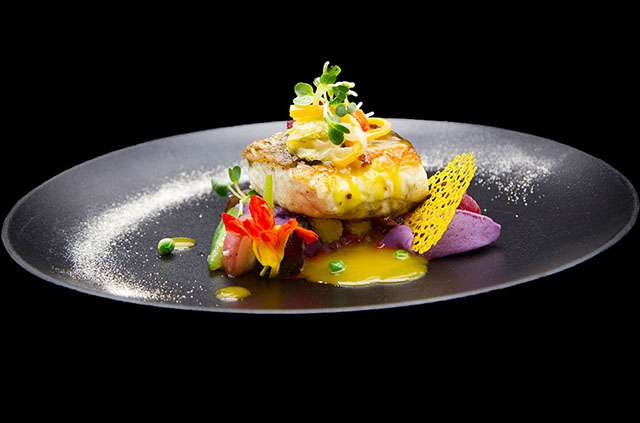
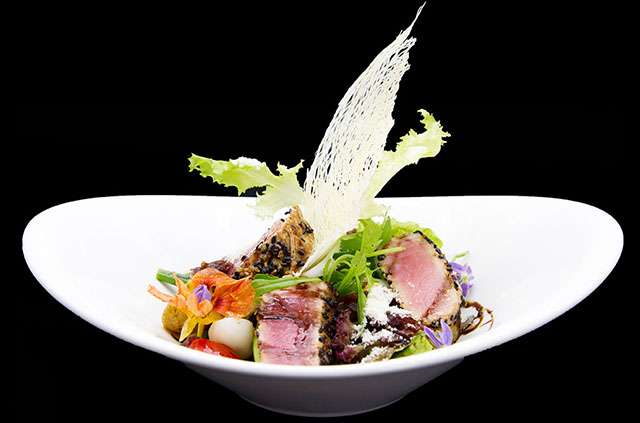
At Duong, this profile may be expressed through composed plates rather than a filled roll. A beef dish can echo the savoury depth of grilled meat, while a salad or rice noodle roll may provide the herbs, pickles and freshness usually associated with bánh mì. Seafood and tuna can offer a lighter direction for diners who prefer delicate flavours.
If you are planning the meal with inspiration from Yogi’s home cooking, consider the same principle of balance: combine one rich or substantial dish with something fresh, aromatic and slightly acidic. This approach helps the table feel varied instead of ordering several dishes with similar textures.
Start With Familiar Ingredients
Beginners often enjoy choosing a dish based on a flavour they already recognise. Beef is a natural starting point because its savoury character relates closely to classic bánh mì fillings. Rice noodle beef rolls can bring together soft noodles, herbs and dipping sauce in a lighter format, making them suitable as a shared starter.
Salads are another useful entry point. Vietnamese salads typically rely on herbs, vegetables and a lively dressing rather than heavy mayonnaise. They can refresh the palate between richer bites and help balance a meal that includes seafood, steak or fried components.
Guests who enjoy Australian café food may recognise the appeal of this balance. A dish with pickled vegetables and herbs can feel as refreshing as a well-made salad on a warm Brisbane afternoon, while a carefully seared tuna dish suits diners accustomed to contemporary coastal menus in Perth or Adelaide.
Build A Comfortable Shared Meal
Sharing gives first-time diners more room to explore. Instead of committing to a single large main, choose a mixture of textures and temperatures. Ask the restaurant team about portion sizes and the best order in which to enjoy the dishes, particularly if the menu changes with available produce.
Keep chilli and fish sauce preferences in mind when ordering. Vietnamese food can be aromatic without being intensely hot, and the staff can usually explain whether heat is built into a dish or added at the table. Diners with allergies should clearly mention them before ordering, especially when sauces, pâté or stocks are involved.
Useful combinations for a first visit include:
- A fresh salad with a richer beef or seafood dish
- Rice noodle rolls alongside a warm soup
- Tuna or another light protein with an aromatic vegetable side
- A shared starter followed by individual mains
- A fruit-based or gently sweet finish after savoury dishes
Australian diners are familiar with adapting meals for dietary needs, from gluten-free choices in Melbourne to vegetarian options at weekend markets in Canberra. Still, Vietnamese sauces and marinades can contain wheat, seafood or fish sauce, so clear communication is more reliable than making assumptions.
Match The Meal To The Saigon Setting
District 1 is an energetic part of the city, with traffic, street vendors, cafés and evening foot traffic surrounding the quieter restaurant interiors. A meal at Duong can provide a comfortable pause between sightseeing at the Saigon Central Post Office, browsing Ben Thanh Market and exploring the nearby riverfront.
Dress can be neat and comfortable rather than formal. Visitors arriving after a hot day should allow time to cool down before dining, especially during Ho Chi Minh City’s humid months. Australians used to relaxed outdoor dining, early dinners and casual service may notice that a fine-dining meal in Saigon follows a slower rhythm.
Service is part of the experience. Give the team an opportunity to explain unfamiliar dishes, sauces and serving suggestions. If you are accustomed to Australia’s no-tipping expectation, remember that service customs can differ in Vietnam; check the bill carefully rather than assuming a separate gratuity is required.
Compare Dish Styles Before You Order
The following guide can help you decide how closely you want your meal to resemble the flavour of a traditional bánh mì while still enjoying Duong’s broader Vietnamese-French menu.
| Dish direction |
Bánh mì connection |
Best for |
| Rice noodle beef rolls |
Herbs, savoury beef and dipping sauce |
A light, shareable beginning |
| Seafood dishes |
Freshness, acidity and aromatic seasoning |
Diners who prefer delicate flavours |
| Tuna steak |
A refined alternative to a meat filling |
Guests seeking a substantial but clean-tasting main |
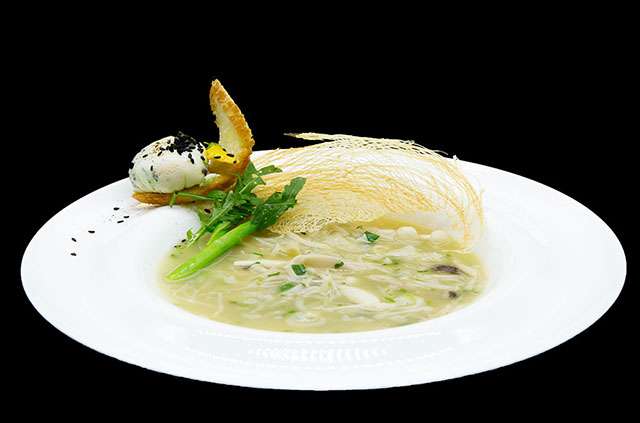
| Mushroom soup |
Umami and warmth without heavy meat |
Vegetarians or cooler evenings |
| Vietnamese-inspired salad |
Pickles, herbs and bright dressing |
Balancing richer dishes |
Before your visit, browse the Duong Restaurant menu and note any dishes that appeal to your group. Menus can change, and the team may recommend seasonal ingredients or a different preparation on the night.
The most practical approach is to reserve ahead, particularly for dinner or a special occasion in District 1. You can make a booking through the restaurant reservation page, then arrive with a simple plan: order one familiar dish, one fresh dish and one option that introduces a new Vietnamese flavour.
Bring an open appetite and let the meal move beyond the idea of a single sandwich. Reserve your table at Duong Restaurant Saigon and discover how the flavours of bánh mì can become part of a polished Vietnamese dining experience.