A Closer Look at Dinnerware and Plating at Duong Restaurant Saigon
At Duong Restaurant Saigon on Dong Du Street, the dining experience is shaped by more than the food itself. Plates, bowls, serving vessels and table settings create a visual language that connects Vietnamese ingredients with the polish expected from French-inspired fine dining.
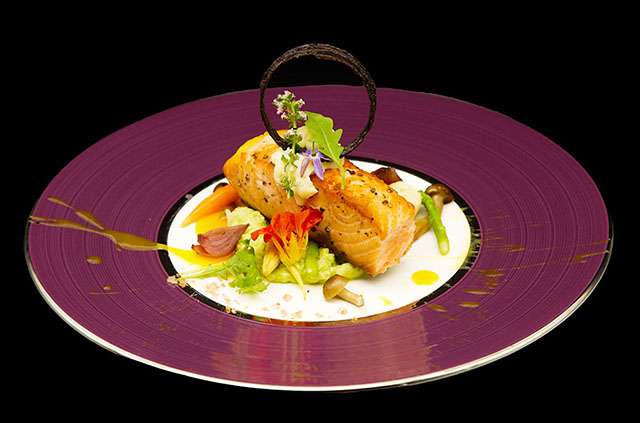
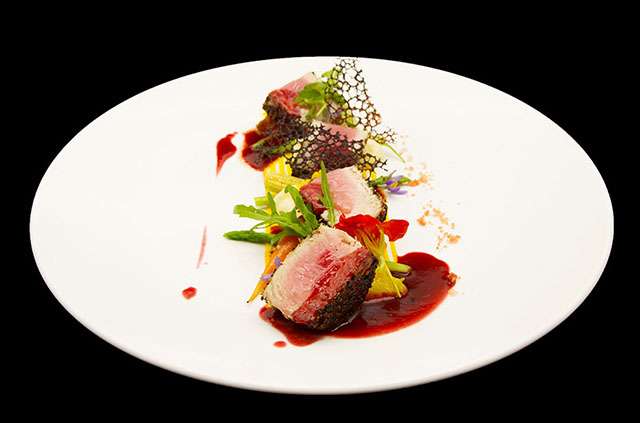
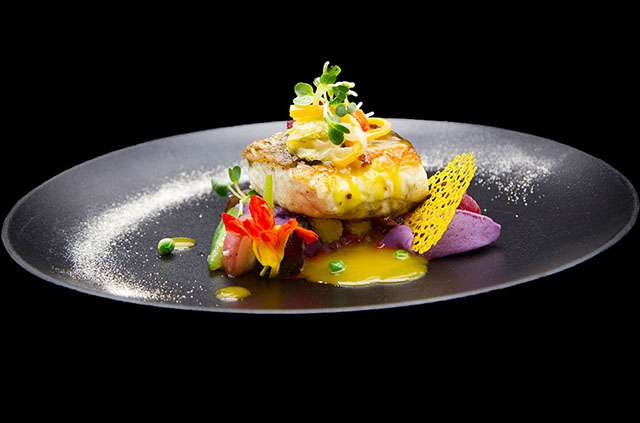
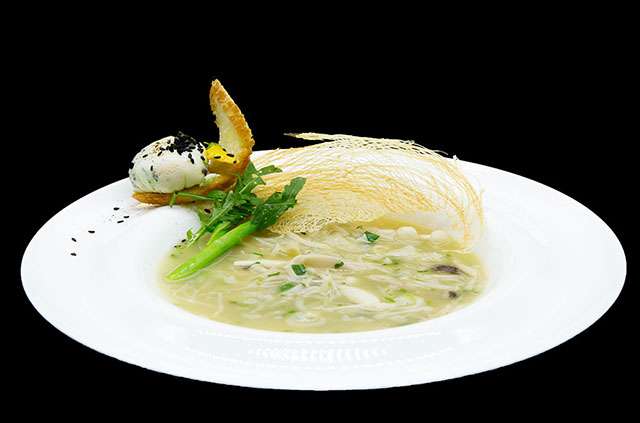
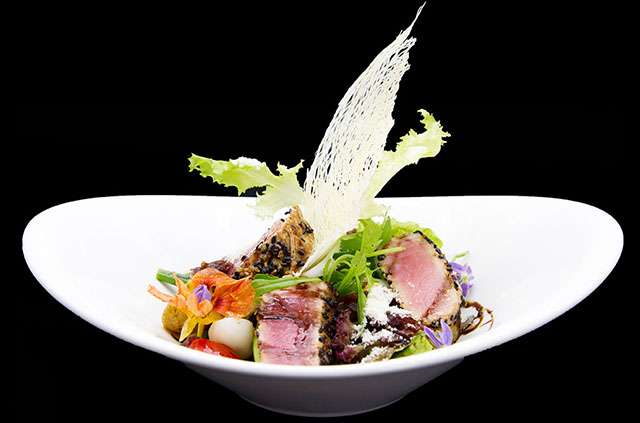
The restaurant’s presentation style gives familiar flavours a composed, contemporary frame. Rice noodle beef rolls, seafood, tuna steak, mushroom soup and salads arrive with careful attention to colour, height, texture and proportion, allowing each dish to feel distinctive without losing its cultural identity.
For Australian visitors, this approach will feel familiar in some ways. Diners from Melbourne, Sydney, Brisbane or Perth are used to restaurants where presentation, provenance and service matter, yet the balance of herbs, dipping sauces and delicate garnishes offers a distinctly Saigon perspective.
A Meeting Of Vietnamese And French Tableware
The dinnerware appears to support the restaurant’s fusion identity rather than compete with it. Clean silhouettes and restrained colours allow ingredients to provide the visual focus, while broad plates create space around sauces, greens and carefully arranged proteins.
This restraint reflects a French influence, where negative space can make a dish feel elegant and intentional. Vietnamese cuisine contributes a different energy through fresh herbs, vivid vegetables, rice-paper textures and bright dipping accompaniments. Together, these elements create plates that look refined while remaining recognisably local.
The result is less about decorative excess and more about rhythm. A pale plate may highlight a glossy sauce, while a darker bowl can deepen the appearance of a clear broth or earthy mushroom soup. The dinnerware becomes part of the composition, much like a frame around a painting.
How Colour Shapes Each Plate
Colour is especially important in Vietnamese-inspired cuisine because many ingredients naturally offer strong contrasts. Green herbs, red chilli, golden fried elements, pink seafood and dark sauces can be arranged to create a sense of freshness before the first bite.
At Duong, this palette is likely to be handled with balance. Garnishes are most effective when they contribute aroma or texture, rather than acting as decoration alone. Coriander, spring onion, lettuce, cucumber and microgreens can bring brightness while reinforcing the flavours already present in the dish.
The same principle applies to desserts and vegetable-led courses. A dish such as roasted squash can use caramelised edges, herbs and a creamy element to create depth; a useful visual comparison can be found in this butternut squash lasagna review, where seasonal colour and layered textures play a major role in presentation.
Balance, Height And Portion
Fine-dining plating often depends on proportion. A plate should offer enough room for the main ingredients to breathe, while the portion itself needs to feel generous enough for a satisfying meal. Duong’s presentation works within that balance, placing emphasis on clarity rather than oversized servings.
Height can add movement to a dish, particularly with rice noodle beef rolls or seafood. Rolled, folded and layered ingredients naturally create structure, while a pool of sauce or a small salad provides a grounded base. This gives the diner an immediate sense of how the components belong together.
Texture also influences the visual experience. Crisp vegetables beside tender meat, smooth soup beside a crunchy garnish, or seared tuna beside a fresh salad creates contrast on the plate. These combinations make the meal more engaging for diners accustomed to Australia’s strong café and restaurant culture, where texture is increasingly valued.
The Table As Part Of The Experience
The surrounding table setting contributes to the atmosphere. Duong’s cosy dining room appears designed for meals that unfold at an unhurried pace, allowing guests to notice the details of each course and the way dishes are placed before them.
That slower rhythm may appeal to Australian travellers who are used to booking dinner around 6 pm or 7 pm, particularly in busy city centres such as Sydney or Melbourne. Rather than treating food as a quick stop between attractions, the setting encourages guests to give attention to service, conversation and presentation.
Dining feedback also helps reveal how these details are received in practice. Reviews from visitors offer a useful sense of the restaurant’s hospitality and atmosphere, including Tripadvisor diner impressions from people who have experienced the food and service first-hand.
A Visual Link To Saigon’s Streets
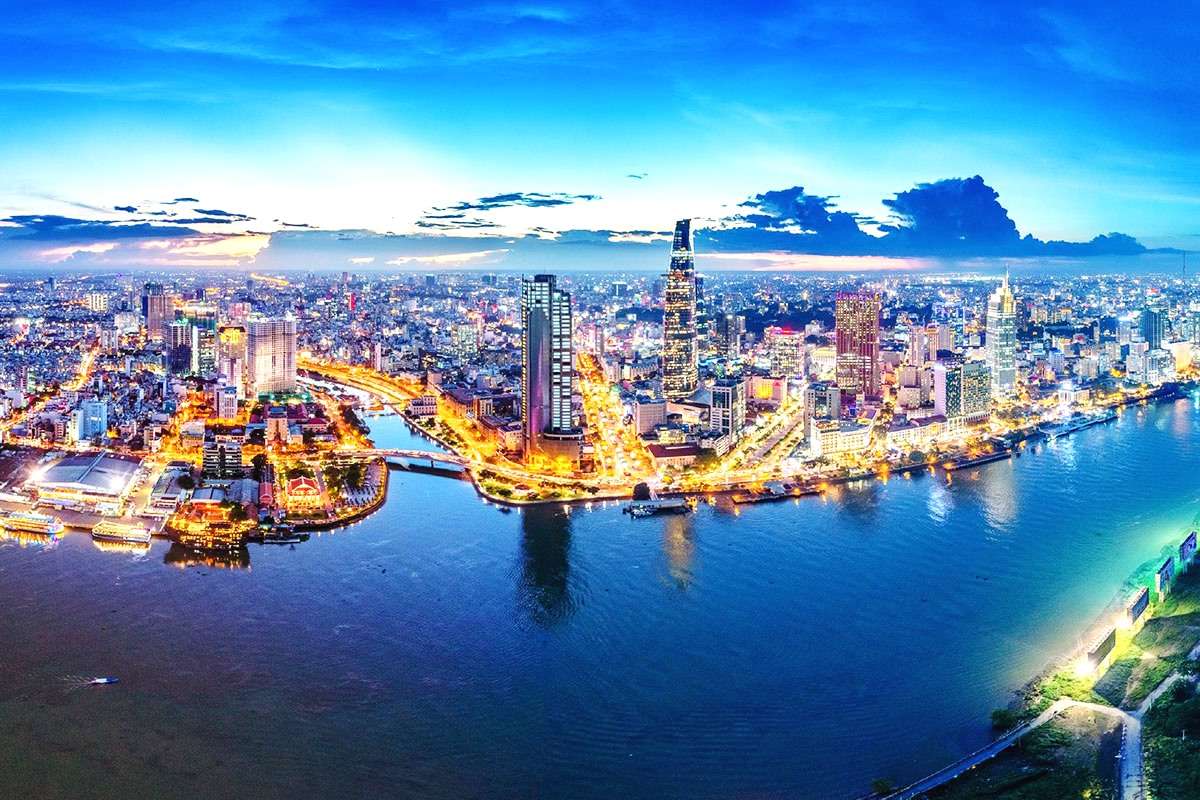
The plating style gains meaning from its location. Dong Du Street sits close to major District 1 attractions, hotels, galleries and busy pedestrian routes, so a meal at Duong can form part of a wider exploration of central Ho Chi Minh City.
Visitors may spend the afternoon walking around the Notre Dame Cathedral, viewing colonial-era architecture and navigating the lively streets before arriving for dinner. The contrast between Saigon’s traffic, market colours and street-food energy and the restaurant’s composed presentation makes the dining experience feel especially distinctive.
For Australian guests, this shift in pace can be part of the appeal. Eating out in Australia is often shaped by BYO expectations, liquor licensing rules, food-allergy disclosures and clear service standards. In Saigon, the visual presentation may be more closely tied to local hospitality traditions, fresh-market ingredients and the chef’s interpretation of Vietnamese flavours.
Details Worth Noticing At The Table
A closer look can reveal how each component has been considered. Before tasting, diners can observe the direction of sliced meat, the placement of herbs, the gloss of a sauce and the contrast between the main ingredient and the plate beneath it.
The following details are particularly worth noticing:
- The space left around the main protein or roll
- The relationship between sauce, garnish and the plate’s colour
- The use of herbs for aroma as well as visual freshness
- Contrasts between crisp, tender, creamy and seared textures
- The shape and depth of bowls used for soup or seafood
- Whether each garnish adds flavour, fragrance or crunch
These choices may seem subtle, yet they help distinguish a chef-led dining experience from a casual meal. The restaurant’s set lunch in Saigon also demonstrates how a carefully presented menu can offer an accessible way to experience this approach during the day.
A visit to Duong Restaurant Saigon is therefore an opportunity to study the meeting point between cuisine and design. Reserve a table on Dong Du Street, take time to observe the dinnerware and plating, and let the visual details deepen your appreciation of each Vietnamese-inspired course.