A comparison of Duong Restaurant Saigon’s indoor and outdoor dining experiences
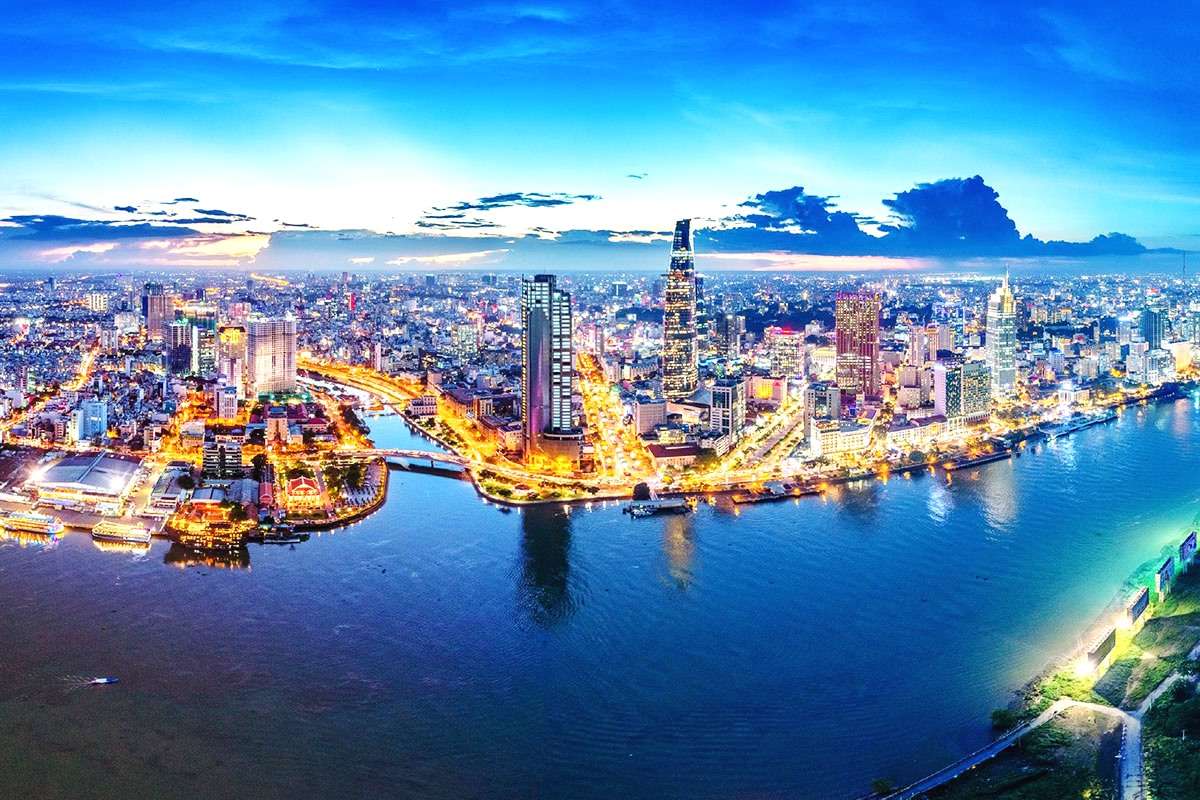
Choosing between indoor and outdoor dining at Duong Restaurant Saigon can shape the entire evening. The restaurant’s Dong Du Street location places guests in the centre of District 1, close to hotels, galleries, cafés and several of Ho Chi Minh City’s best-known attractions. That makes the setting almost as relevant as the menu.
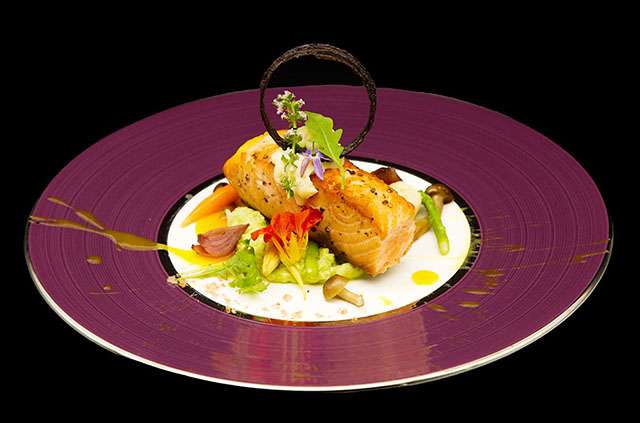
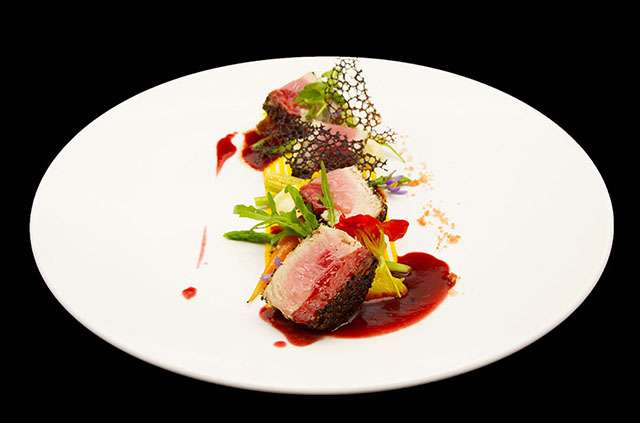
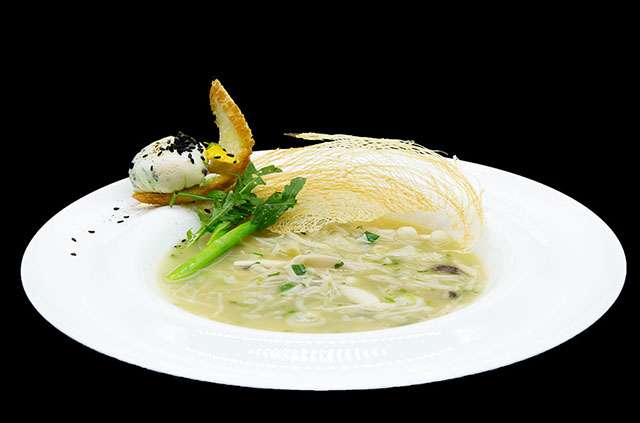
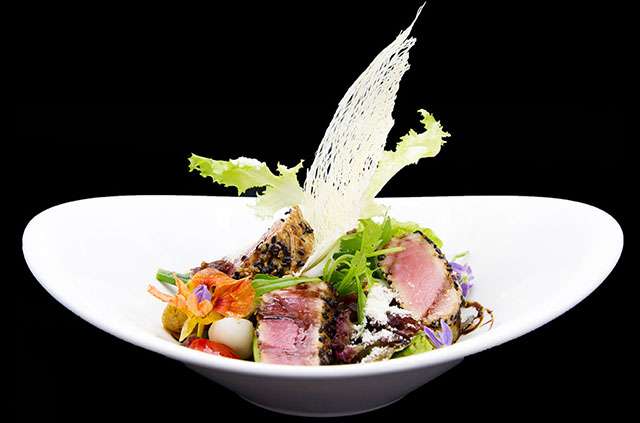
Indoors, the experience is better suited to a relaxed fine-dining meal, with a cosy atmosphere that supports conversation and close attention to each course. The chef-led menu brings Vietnamese flavours together with French techniques, creating a polished setting for seafood, tuna steak, salads, mushroom soup and rice noodle beef rolls.
Outdoor dining offers a livelier connection with Saigon’s streetscape. The sounds, movement and warm evening air can make a meal feel more spontaneous, particularly after sightseeing. For Australian visitors accustomed to eating outdoors in Melbourne laneways, Sydney courtyards or Brisbane terraces, this option provides a familiar pleasure with a distinctly Vietnamese rhythm.
Atmosphere and sense of place
The indoor dining room is the stronger choice when the meal itself is the main event. A cosy interior helps create a calm transition from the traffic and heat of District 1, while the more controlled environment allows guests to focus on presentation, aromas and the balance of flavours. It is particularly appealing for a special dinner, a quiet date or an evening with business guests.
Outdoor seating, when available, brings a different energy. Dong Du Street is close to the activity of central Saigon, so diners may notice passing scooters, local conversations and the steady movement of the city. Rather than feeling formal, the experience becomes more observational and connected to everyday Ho Chi Minh City life.
What indoor dining does best
Indoor seating is likely to suit travellers who value comfort and a measured pace. Air conditioning, softer surroundings and reduced street noise can be important after walking around the city in humid weather. Australian guests visiting from cooler Hobart or windy Melbourne may also appreciate the reliable comfort of an enclosed dining room.
The indoor setting works especially well for:
- A romantic dinner or anniversary meal
- Conversations that need privacy and concentration
- Sampling several chef-led courses at an unhurried pace
- Escaping heavy rain during the wet season
- Guests who prefer a quieter fine-dining atmosphere
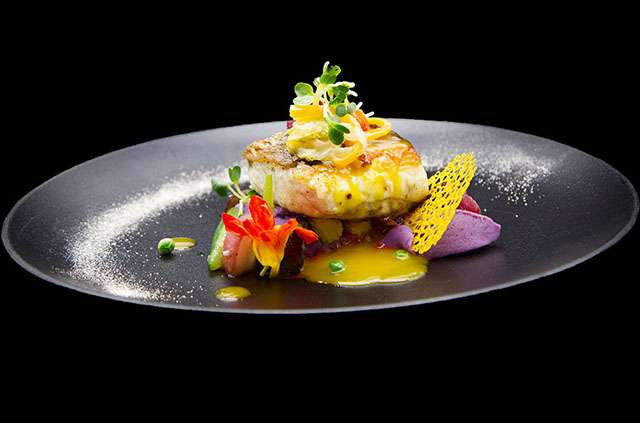
The room also supports the restaurant’s Vietnamese and French fusion concept. Dishes can be appreciated for their colour, texture and plating without the distractions that sometimes accompany an open-air table. For diners comparing the experience with an Australian restaurant, it is closer to an intimate CBD dining room than a casual outdoor bistro.
Why an outdoor table feels different
Outdoor dining has a more immediate relationship with Saigon. The tropical climate, street sounds and changing light create an informal backdrop for a meal, especially around sunset. It can be a memorable choice for first-time visitors who want to experience the city beyond museums and hotel interiors.
An open-air table may be best for:
- A relaxed dinner after exploring District 1
- Visitors who enjoy people-watching and street life
- A casual meal with friends or family
- A warm evening when the city feels particularly lively
- Combining dinner with a walk through nearby streets
The trade-off is that outdoor comfort depends more heavily on weather, traffic and personal preference. Heat, humidity or sudden rain can change the mood quickly, while street noise may make an intimate conversation less effortless. Guests who want a composed celebration should consider whether the atmosphere or the food deserves priority that evening.
How the menu responds to each setting
The menu gives both experiences a strong foundation, but different dishes may feel more natural in each environment. Indoors, a delicate mushroom soup or carefully prepared tuna steak can be enjoyed with greater concentration. The controlled setting also suits a progression of seafood, salads and Vietnamese-inspired plates.
Outside, dishes with bright herbs, fresh seafood and contrasting textures can feel particularly well matched to the climate. Rice noodle beef rolls, for example, bring freshness and recognisable Vietnamese character to a more relaxed setting. Sharing several plates can also suit the sociable style of an outdoor meal, allowing a table to explore the menu without making the evening feel overly formal.
Portion preferences and dietary needs are worth discussing with the team before ordering. Australian diners are increasingly attentive to gluten-free, lighter and plant-forward choices, while shared dining remains popular across Sydney, Perth and Adelaide. Speaking with the restaurant about ingredients and serving sizes can help create a menu that feels balanced rather than excessive.
Service, timing and practical comfort
Indoor dining generally allows the restaurant’s service style to stand out more clearly. Courses can be paced with greater precision, and guests have a better opportunity to ask about the chef’s approach to Vietnamese-French cooking. Those interested in the restaurant’s hospitality can read about its service standards before booking.
Outdoor service may feel more flexible and relaxed, though it still benefits from planning. A reservation can help secure the preferred setting, particularly during busy evening periods, weekends or the cooler months when open-air seating is especially attractive. Australian travellers should also remember that dinner times in Ho Chi Minh City may begin earlier or later than their usual routine, depending on sightseeing plans and the season.
For practical comfort, lightweight clothing and comfortable footwear are useful in either setting. A portable umbrella or light rain layer can be sensible during the wet season. Unlike Australia, where tipping is not generally expected in the same way as in North America, service decisions in Vietnam can vary, so guests should check the bill and ask staff if any service charge is included.
Choosing dinner around a District 1 itinerary
Indoor dining is a natural finish to a busy day. After visiting markets, shops or the Saigon Central Post Office, guests can settle into a cooler and quieter environment. It also works well for travellers staying in central hotels who want a refined meal without committing to another long journey across the city.
Outdoor dining can be paired with an evening stroll or a shorter sightseeing route. Visitors who spend the afternoon at the War Remnants Museum may prefer an open-air table afterwards, using dinner as a chance to decompress and observe the city at a gentler pace. The contrast between a reflective cultural visit and lively street dining can create a well-rounded day.
The best choice ultimately depends on the occasion. Select indoors for comfort, conversation and a more polished dining-room mood. Choose outdoors for atmosphere, warm air and a closer connection to Saigon’s everyday movement. Either setting allows Duong Restaurant Saigon’s food and hospitality to remain at the centre of the experience.
Book a table at Duong Restaurant Saigon and request the indoor or outdoor setting that best suits your evening in District 1.