A Day in Saigon’s Culinary History With Duong Restaurant
Ho Chi Minh City is a place where culinary history is served in layers. French colonial architecture, southern Vietnamese produce, Chinese-influenced noodles and modern global techniques all appear within a few city blocks. A day spent eating here can feel like a journey through changing eras rather than a simple restaurant itinerary.
For Australian travellers, the contrast is especially vivid. The relaxed café culture familiar in Melbourne, Sydney and Brisbane meets the quick rhythm of Vietnamese street food, where breakfast may be eaten early and a bowl of noodles can be assembled in minutes. Saigon’s food scene rewards curiosity, appetite and a willingness to follow the scent of herbs, grilled seafood and fresh coffee.
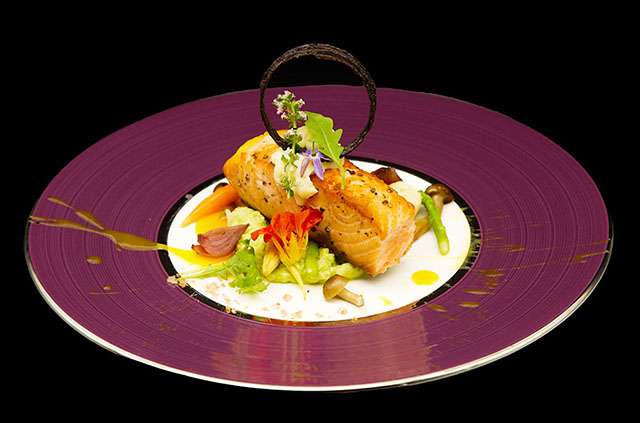
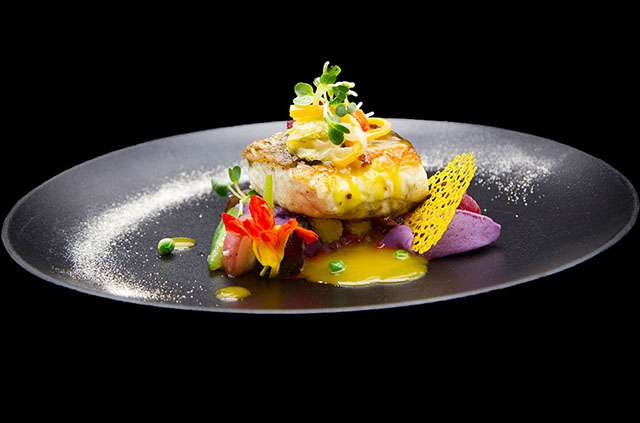
Duong Restaurant Saigon offers a polished setting for understanding that evolution. Located on Dong Du Street in District 1, the restaurant brings Vietnamese flavours into a fine-dining format, with French-inspired care in presentation and service. Its chef-led menu makes a useful centrepiece for a day exploring Saigon’s culinary past and present.
Morning Markets And The Foundations Of Saigon Flavour
Begin in the morning, when the city’s food markets are at their most energetic. Vendors arrange leafy herbs, tropical fruit, river prawns, shellfish, mushrooms and fragrant spices before the day becomes hot. Markets are practical places as much as tourist attractions: families shop for lunch, cooks compare produce and small food businesses source ingredients for the day ahead.
A guide to Saigon’s best food markets helps explain the relationship between local produce and everyday cooking. The market visit also reveals why Vietnamese food depends so heavily on freshness. Herbs are not merely decoration, and texture is treated as carefully as seasoning.
A steaming bowl of pho or a plate of broken rice makes an ideal early meal. Australians used to ordering a flat white and toast on the way to work may notice a different breakfast pattern here: noodle soups, rice dishes and savoury snacks are common before 8 am. That early start leaves time to walk through District 1 before the heat intensifies.
From Colonial Tables To Modern Vietnamese Dining
Saigon’s culinary history includes the influence of French administration, which introduced ingredients, baking methods, sauces and dining customs that were gradually adapted to local tastes. Baguettes became bánh mì, coffee developed its own condensed-milk tradition and French techniques found a place alongside fish sauce, rice, chilli and aromatic herbs.
The city’s contemporary restaurants continue this process of adaptation. Rather than copying European cuisine, Vietnamese chefs often use its techniques to sharpen local ingredients. A carefully reduced sauce, refined plating or precise cooking temperature can support familiar flavours without removing their identity.
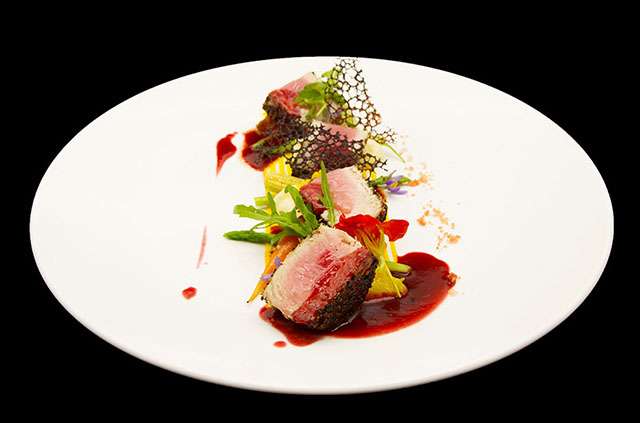
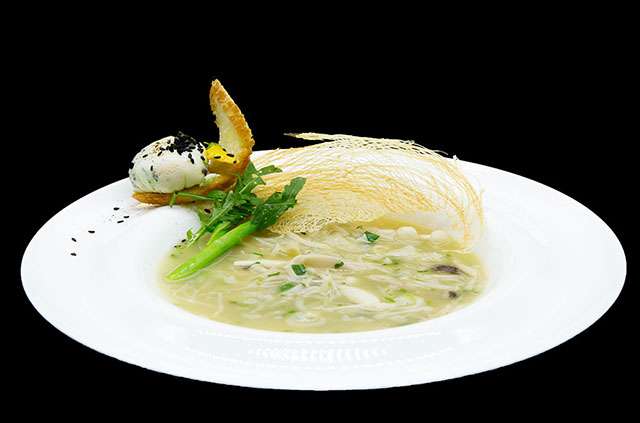
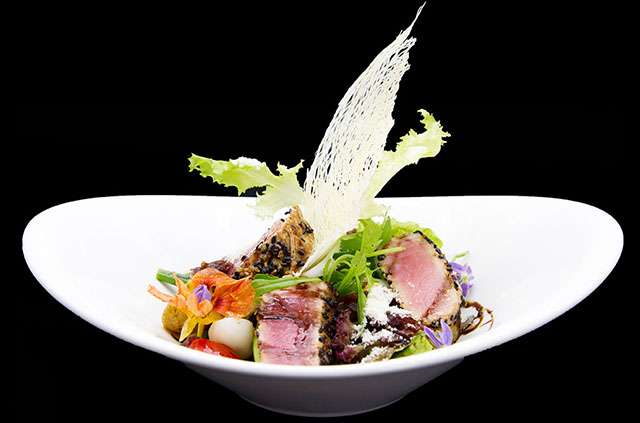
At Duong Restaurant Saigon, this approach appears through Vietnamese-inspired dishes presented with fine-dining discipline. The menu may include seafood, tuna steak, salads and mushroom soup, alongside more recognisably local combinations. The result suits diners who want the character of Vietnamese cuisine with the calm pacing and attentive service expected from a special-occasion restaurant.
The Rice Noodle Beef Roll As A Culinary Story
Rice noodle beef rolls demonstrate how Vietnamese food balances softness, freshness and savoury depth. Thin rice noodles, tender beef, herbs and dipping sauce create a dish in which each component contributes a different texture. The roll is delicate, yet its flavour can be surprisingly concentrated.
Duong’s signature preparation receives closer attention in the rice noodle beef roll guide. Reading about the technique before dining can make the dish more meaningful, particularly for visitors interested in how traditional Vietnamese formats are refined for a restaurant setting.
The wider noodle tradition is broad enough to invite comparisons with Japanese ramen or regional Chinese soups. A visitor who enjoys exploring Asian noodle culture might also browse a ramen dining guide for a different perspective on broth, wheat noodles and toppings. The comparison highlights an important distinction: Vietnamese dishes often place equal emphasis on herbs, fresh vegetables and dipping sauces rather than relying on broth alone.
A Well-Paced Day In District 1
A good itinerary should leave space between meals. After a market breakfast, walk past the Central Post Office, Notre-Dame Cathedral Basilica area and the tree-lined streets around Dong Khoi. These landmarks show the layers of Saigon’s built environment, while small cafés and street stalls reveal how quickly the city moves between heritage and modern life.
For Australian visitors, it is worth planning around familiar practicalities. Carry water during the warmer hours, use a reputable ride service and keep small Vietnamese đồng notes for market purchases. Australian restaurants and bars operate within strict food-safety and liquor rules, while Vietnam has its own licensing requirements and local customs, so nightlife plans should remain responsible and discreet. Travel guides covering entertainment options, including casino venue features, can help visitors understand the city’s choices without making them the focus of a food-led day.
Digital payment and online dining culture are also increasingly visible. Some travellers may be curious about alternative payment and hospitality concepts such as Bitcoin Grill dining, although standard Vietnamese đồng and established card or payment apps remain the practical choices for most meals in Ho Chi Minh City.
Dining Choices Worth Building Around
- Start with a market breakfast to experience herbs, noodles and local produce at their freshest.
- Reserve lunch or dinner at Duong Restaurant Saigon for a chef-led Vietnamese and French fusion experience.
- Order at least one seafood or tuna dish to explore the city’s relationship with coastal ingredients.
- Allow time for a slow coffee and a walk through District 1 between meals.
- Treat the rice noodle beef roll as a dish to savour carefully rather than eat hurriedly.
Comparing Saigon’s Culinary Eras
The most rewarding part of this food journey is seeing how old and new techniques coexist. Street food preserves speed, accessibility and strong regional identity. Market cooking reflects seasonality and household routines. Fine dining introduces controlled presentation and extended service without abandoning Vietnamese ingredients.
Duong Restaurant Saigon fits naturally into this timeline. Its intimate atmosphere provides a comfortable pause after the noise of the streets, while its menu demonstrates how familiar flavours can be arranged for contemporary diners. The comparison below offers a simple way to understand the progression.
| Culinary setting |
Defining qualities |
What to notice |
| Traditional market |
Fresh produce, rapid preparation, direct flavours |
Herbs, seafood, noodles and seasonal ingredients |
| Everyday street stall |
Affordable, social and highly local |
Speed, smoky aromas and regional seasoning |
| Colonial-era influence |
Bread, coffee, sauces and European techniques |
How imported methods were adapted to Vietnamese tastes |
| Modern Duong dining |
Chef-led combinations, refined plating and attentive service |
Balance between Vietnamese identity and French-inspired finesse |
A day shaped around these stages gives visitors more than a list of dishes. It offers a practical way to read Saigon through food: the market explains the ingredients, the street explains the rhythm, and Duong explains how the city’s culinary heritage can be interpreted with elegance.
Reserve a table at Duong Restaurant Saigon and make the meal the centrepiece of your own Saigon food journey. Arrive hungry, take time with each course and let the flavours connect the city’s market traditions with its modern dining culture.