A Guide to the Best Photo Spots Inside Duong Restaurant Saigon
Duong Restaurant Saigon offers a refined setting for photographing Vietnamese-inspired cuisine, elegant table details, and memorable moments in District 1. Its location on Dong Du Street makes it a convenient stop for travelers exploring central Ho Chi Minh City, while the chef-led menu gives every course a visual story.
The best images here come from combining atmosphere with detail. A wide interior frame can show the restaurant’s cozy character, while close-ups of rice noodle beef rolls, seafood, tuna steak, salads, or mushroom soup reveal color, texture, and presentation.
For practical details about the menu, location, and reservations, visit the restaurant’s official website before arriving. Planning ahead helps you choose a suitable time and prepare your camera or phone for a relaxed dining experience.
Begin With The Entrance And Arrival Details
The entrance is a natural starting point for a photo sequence. Capture the restaurant name, doorway, surrounding architecture, or a street-level view that places the dining experience in central Saigon. A vertical frame often works well for social media, especially when the image includes the building line or details of Dong Du Street.
Avoid photographing only the sign in isolation. Step back slightly and include part of the pavement, nearby greenery, or the evening light along the street. These elements add a sense of place and make the image more useful as a travel memory.
Use The Dining Room For Warm Atmosphere
Inside, look for compositions that show the relationship between tables, lighting, and decorative details. A wide-angle photograph can communicate the restaurant’s intimate fine-dining mood, while a lower perspective can make a set table feel more inviting. Keep the frame balanced and avoid including empty areas that distract from the main subject.
A table set for dinner is another appealing photo spot. Glassware, folded napkins, plates, and cutlery create clean lines that work well in both color and monochrome. Photograph from a slight diagonal angle rather than directly overhead when you want to preserve depth and show the surrounding atmosphere.
| Photo subject |
Recommended angle |
Best visual quality |
| Entrance and sign |
Eye level or vertical frame |
Sense of place |
| Set dining table |
Forty-five-degree angle |
Detail and symmetry |
| Main course |
Slightly above the plate |
Color and texture |
| Soup or salad |
Close side angle |
Layers and freshness |
| Chef-led presentation |
Candid side view |
Craft and movement |
Make The Food The Main Character
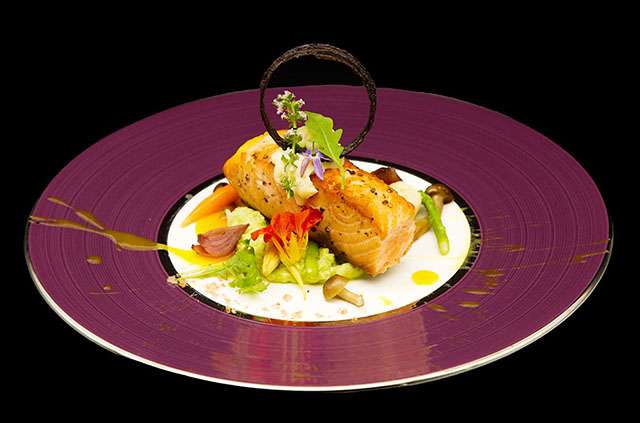
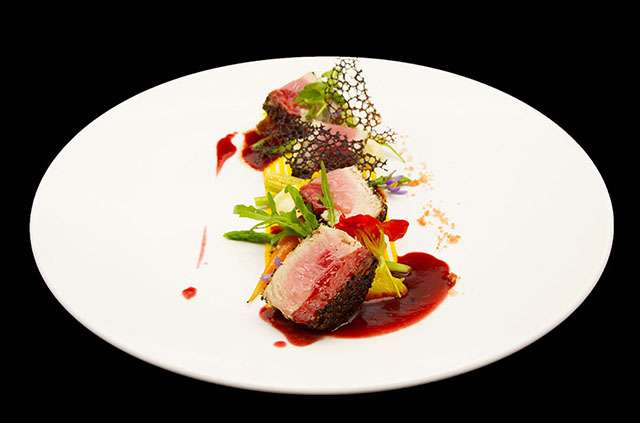
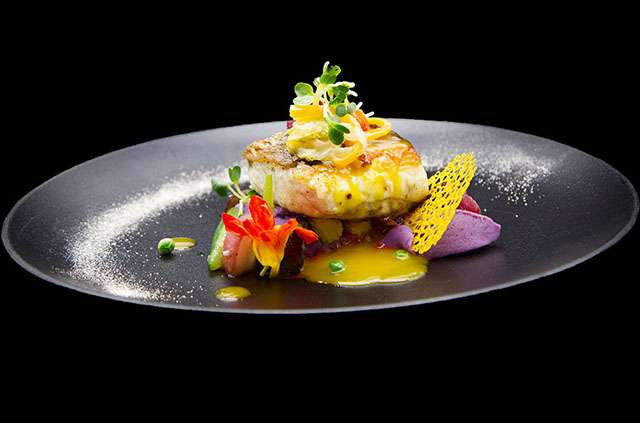
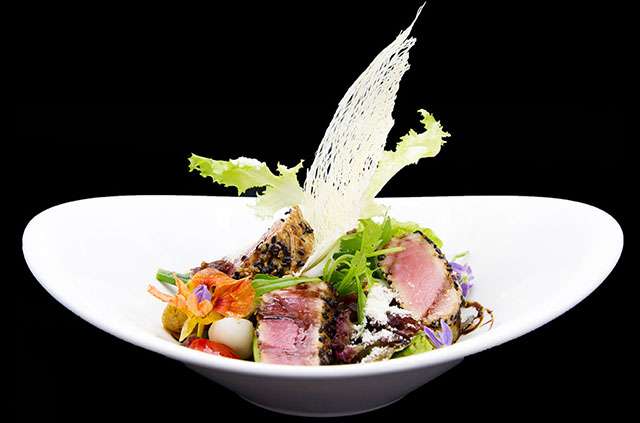
Food photography is likely to be the highlight of your visit. Rice noodle beef rolls can provide strong contrast between herbs, noodles, and sliced beef, while seafood dishes often offer varied shapes and natural color. Tuna steak creates a more structured composition, especially when photographed with its garnish and sauce.
Shoot the dish soon after it reaches the table, before sauces spread or steam disappears. Use the available light whenever possible, and tap the screen on the brightest part of the plate to prevent highlights from becoming too pale. A close-up is useful for texture, but leave enough of the plate visible to preserve the chef’s presentation.
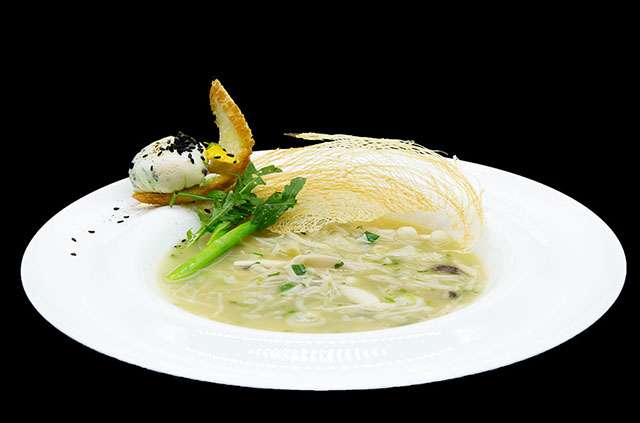
Mushroom soup and salads need a different approach. Photograph soup from slightly above to show the surface and bowl shape, then move closer for visible ingredients. For salads, focus on layers, fresh leaves, and contrasting colors. A clean background keeps the image polished without making it feel staged.
Capture Chef-Led Craft And Human Moments
A restaurant photograph becomes more memorable when it includes the people behind the meal. If the chef or service team is visible, a discreet image of plating, carrying a dish, or arranging the table can add movement to your collection. Always ask permission before taking a recognizable portrait or photographing staff at close range.
Candid dining moments also work well when handled respectfully. A hand lifting a fork, pouring water, or sharing a dish can suggest hospitality without revealing private details. Keep other guests out of focus or outside the frame, particularly in a compact dining room where tables may be close together.
Build A Saigon Dining Story
The strongest collection of images should feel like a short visual journey rather than a series of unrelated food shots. Begin with the street and entrance, continue with the interior, then photograph the table, dishes, and final details such as a coffee cup, menu, or softly lit corner. This sequence gives viewers a clear sense of arrival and experience.
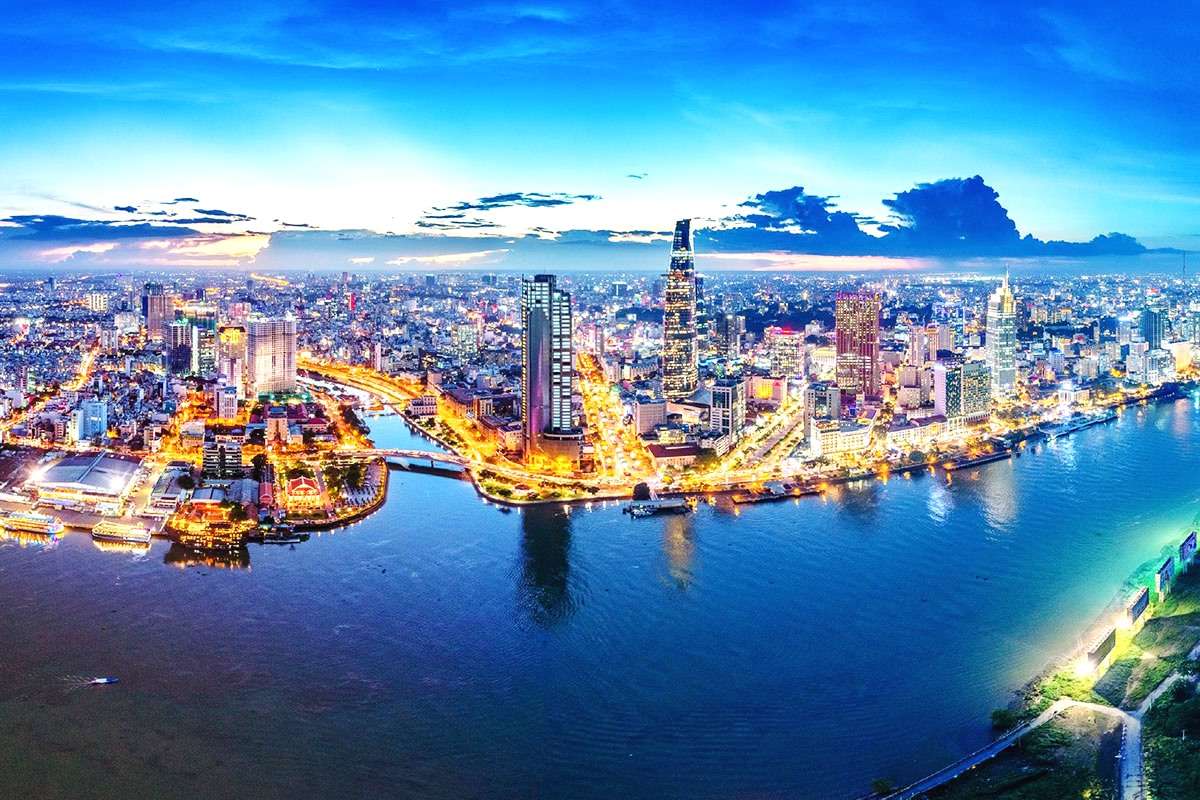
Duong Restaurant Saigon can also fit naturally into a wider District 1 itinerary. Travelers visiting the War Remnants Museum can use the restaurant as part of a day focused on culture, history, and Vietnamese cuisine; the museum travel guide can help with planning the surrounding visit. Photographing the restaurant before or after sightseeing may also provide a quieter contrast to busy city streets.
For a cohesive gallery, choose one editing style. Warm tones suit an intimate dinner, while slightly cooler adjustments can emphasize the freshness of seafood and salads. Keep colors natural so the dishes remain appetizing and the atmosphere stays believable.
Choose The Right Time And Camera Position
Early dinner can offer a calmer setting for interior photos and reduce the chance of other guests appearing in the background. A later reservation may provide warmer ambient light and a more evening-focused mood. The best timing depends on the restaurant’s current service schedule, so confirm operating hours when booking.
Use a phone’s portrait mode selectively. It can separate a dish from the background, but excessive blur may remove important table details. For wide room photos, use the standard lens rather than an ultra-wide setting if possible, since extreme lenses can distort tables and architectural lines.
Before taking a photo, check the edges of the frame. Remove stray glasses, bags, or unused cutlery when appropriate, and straighten the horizon. Small adjustments make a substantial difference in photographs of fine dining spaces.
Simple Ways To Improve Your Restaurant Photos
- Clean the phone lens before entering the restaurant.
- Photograph dishes from several heights before choosing the strongest frame.
- Use natural or existing light instead of a direct flash.
- Ask staff before photographing chefs, service moments, or nearby diners.
- Leave room in the composition for captions or travel notes.
A thoughtful approach will help you preserve the restaurant’s character while respecting the people sharing the space. Focus on genuine details, quiet textures, and the visual connection between Vietnamese flavors and a polished dining environment.
Reserve a table at Duong Restaurant Saigon, bring a fully charged camera or phone, and create a photo story that begins on Dong Du Street and ends with the meal at the center of the frame.