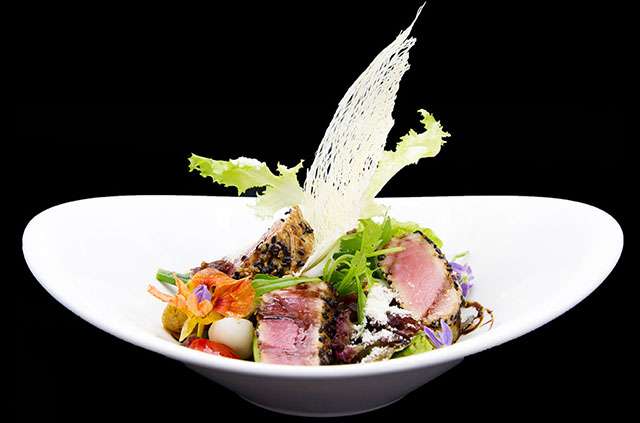
Exploring the herb platter at Duong Restaurant Saigon
Vietnamese food holds a permanent corner of the Australian culinary map, from the bustling pho shops of Cabramatta to the late-night bún bò Huế spots around Springvale. Travellers from Sydney or Melbourne arriving in Ho Chi Minh City often expect the flavours they know from home, only to find something more layered. Among the dishes that surprise first-time visitors, the herb platter at Duong Restaurant Saigon draws attention usually reserved for the main course.
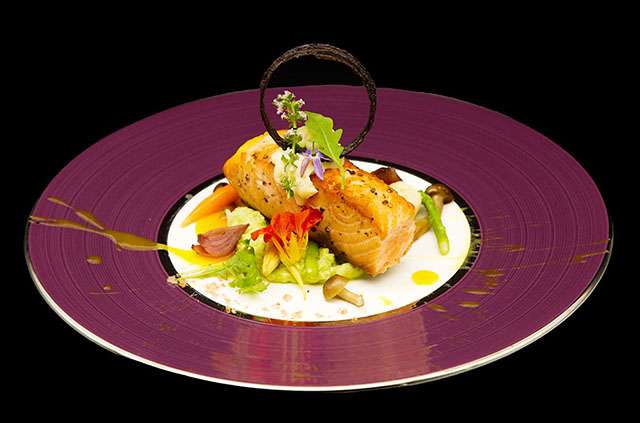
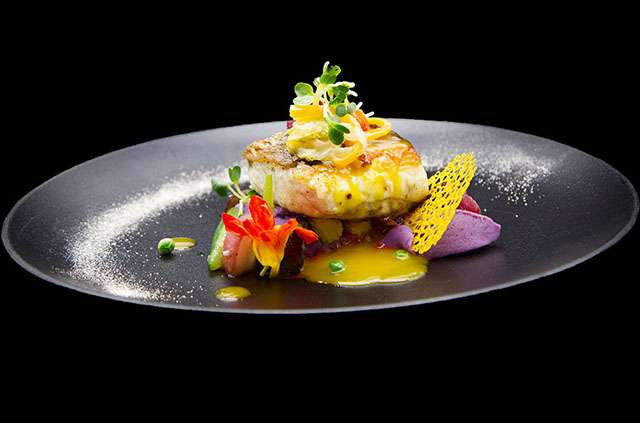
The platter is not a side garnish in the Western sense. It is a fragrant landscape of leaves, stems, and edible flowers that arrives beside signature dishes, and its purpose is to be eaten, woven, dipped, and shared. Used properly, it transforms familiar plates into something interactive, and it reflects the French-Vietnamese fusion the restaurant celebrates on its Dong Du Street menu.
For Australians used to ordering one entrée each at their local Vietnamese bistro, the herb platter invites a different rhythm. It encourages conversation, slows the table down, and rewards those who like to assemble their own bites. Knowing what is on the plate is the difference between a pleasant meal and a memorable one.
What the platter actually holds
A traditional Vietnamese herb platter is built around contrast: peppery against sweet, soft against crisp, cool against warm. At Duong Restaurant Saigon, the selection reflects this philosophy. Diners can expect Vietnamese mint, often recognised in Sydney by its place at the bottom of a laksa bowl, alongside perilla leaves with an anise undertone, sawtooth coriander with serrated edges, and rau răm, the peppery herb Australians rarely see outside specialty grocers. Thai basil, lettuce cups, and mustard greens round out the selection, with cucumber, pickled carrot and daikon, and sometimes green banana or starfruit for the cooling balance.
Not every diner recognises every leaf, and that is part of the charm. Waitstaff at the restaurant welcome questions, and pointing is entirely acceptable. Asking the name of an unfamiliar herb is the fastest way to learn its character before it lands on the rice paper.
| Herb |
Flavour profile |
Best paired with |
| Vietnamese mint |
Peppery, cooling |
Beef, duck, seafood |
| Perilla |
Anise, herbal |
Grilled meats, pâté |
| Thai basil |
Clove, liquorice |
Pork, beef, soup |
| Sawtooth coriander |
Citrus, slightly bitter |
Tuna, seafood |
| Rau răm |
Peppery, slightly sour |
Salads, mushroom soup |
| Lettuce and mustard greens |
Mild, crisp |
Wrapping any dish |
This table is a starting point, not a rule. The pleasure of the platter comes from experimenting and discovering which combination each diner prefers.
Wrapping and dipping the right way
The most common mistake visitors make is treating the platter as decoration. The right approach is to dip a sheet of rice paper briefly in water until pliable, lay it flat, and arrange a leaf or two of each herb first. Add a piece of meat, seafood, or noodle, then a slice of pickle and cucumber. Rolling takes a little practice. The Vietnamese technique folds the sides inward like a parcel, then rolls forward firmly without pressing so hard that the rice paper tears. Many travellers who stop to visit the Saigon Notre Dame Cathedral and wander through the Dong Du neighbourhood discover this rolling ritual for the first time over lunch.
The dipping sauce is usually nuoc cham, made from fish sauce, lime, sugar, chilli, and garlic, and it finishes the parcel. Australians who learnt their dipping skills from summer rolls bought at Melbourne's Queen Victoria Market will recognise the principle but find the fresh herbs here more aromatic and more varied.
Pairing the herbs with the right dishes
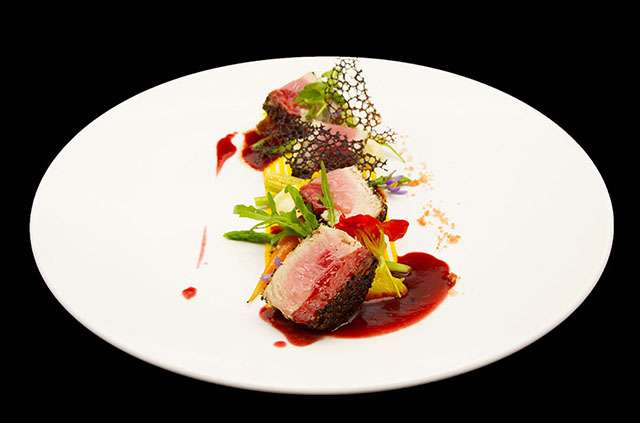
Different herbs work better with different proteins. Beef rolls and grilled pork benefit from the sharp bite of perilla and the sweetness of Thai basil. Seafood, including the tuna steak featured on the Duong menu, sits comfortably with Vietnamese mint and sawtooth coriander, whose citrus notes lift the fish without overwhelming it.
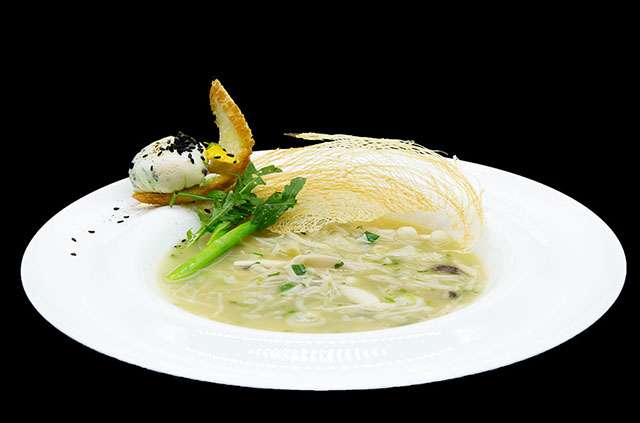
For mushroom soup or salad courses, lighter herbs such as rau răm and mint keep the dish from feeling heavy. Travellers who have read TripAdvisor reviews of the restaurant often mention pairing the platter with these lighter starters to open the meal.
The right pairing turns each dish into something more fragrant, while the wrong combination can flatten the balance on the plate.
Dining etiquette and the home ritual
Vietnamese dining rewards the curious. Pointing, asking, and sharing from a central platter are all welcome. There is no need to finish every leaf on your plate, and returning unwanted herbs to the communal basket is perfectly fine. The chef-led approach at Duong means courses arrive in a considered order, so diners should resist the urge to order everything at once. The restaurant caters to international guests, so language barriers rarely get in the way of a good meal.
Back in Australia, building a similar platter at home is easier than it once was. Asian grocers in suburbs like Richmond, Marrickville, and Fortitude Valley now stock perilla, sawtooth coriander, and Thai basil year-round. Pickled carrot and daikon can be jarred at home, and nuoc cham comes together in minutes with pantry staples. Diners who have marked special occasions at the restaurant, including evenings such as the International Women's Day event the venue hosted in 2020, often try to recreate the selection at home.
Hosts who entertain often find that laying out the platter before guests arrive breaks the ice faster than canapés. It signals abundance, invites participation, and lets the cook stay out of the kitchen. The herb platter is, in many ways, the most generous dish on any Vietnamese table, because it asks everyone to slow down and share.
A few practical pointers for first-timers
- Reserve ahead, especially on weekends, as the Dong Du Street dining room fills quickly.
- Ask the waitstaff which herbs are on the platter that day, as selections change with the season.
- Dip rice paper briefly in water; over-soaking makes it tear during rolling.
- Use two or three herb varieties per parcel rather than reaching for one of each.
- Pair heavier herbs like perilla with rich meats, lighter herbs with seafood and soup.
- Take small bites first; the intensity of Vietnamese mint catches many first-timers off guard.
- Save room after the meal to wander the Dong Du streets, since the neighbourhood reveals more of its character after dark.
Head to Duong Restaurant Saigon on Dong Du Street, book a table, and let the chef-led menu guide you through one of the most interactive plates in Vietnamese fusion dining.