A Guide To Side Vegetables At Duong Restaurant Saigon
At Duong Restaurant Saigon, vegetables are more than decoration around a main course. Fresh herbs, crisp leaves, pickled elements and cooked greens help balance the richness of beef, seafood, noodles and French-influenced sauces. They bring fragrance, acidity and texture to the table.
For Australian diners used to receiving salad or steamed vegetables as a separate side, Vietnamese accompaniments can feel less formal. They may arrive in a shared plate, sit beside rice noodle beef rolls, or appear as part of the dish itself. Their purpose is to be folded, wrapped, dipped and eaten with the main flavours.
The exact selection can change with the chef-led menu and seasonal produce. The restaurant’s kitchen story offers useful context for its Vietnamese and French culinary approach, while the following guide explains how to recognise, combine and enjoy the vegetable components during a meal in District 1.
The Role Of Vegetables In Vietnamese Dining
Vietnamese side vegetables are designed to refresh the palate. A handful of herbs can lift a savoury beef dish, while cucumber or lettuce can soften chilli, pepper and fish sauce. Pickled carrot and daikon add a sharp, lightly sweet contrast to grilled or fried food.
These accompaniments also control the pace of eating. Instead of finishing a rich mouthful before taking a separate salad course, diners can add a leaf, herb or vegetable to every bite. This creates changing textures and keeps the meal lively.
Fresh Herbs And Leafy Greens
Common Vietnamese herbs include coriander, Thai basil, Vietnamese mint and perilla, although the combination depends on availability. Coriander has a bright, citrus-like character; Thai basil is more aromatic; Vietnamese mint offers a cool, peppery note. Tear larger leaves by hand rather than chopping them with cutlery.
Lettuce and soft leafy greens often act as wrappers. Place a small portion of meat, seafood, noodles or rice paper filling on a leaf, add a little herb, fold it loosely and dip it into the accompanying sauce. The aim is a balanced mouthful, not a tightly packed parcel.
Crunchy Vegetables And Pickles
Cucumber, bean sprouts, shredded carrot and daikon contribute clean crunch. They are especially useful with noodle dishes because they stop soft rice noodles and tender fillings from becoming monotonous. Add a modest amount first, then increase it as you understand the dish.
Pickled vegetables are usually sharper than a Western coleslaw. Their vinegar and sugar seasoning may be intended to cut through fatty meat or a sweet glaze. Eat them between bites, or place a small strip inside a lettuce wrap instead of mixing the entire portion into your bowl.
How To Combine Them With Main Dishes
With rice noodle beef rolls, begin with lettuce, herbs and a little pickle. Add the roll, dip lightly and eat the combination together. This method allows the fresh ingredients to balance the beef without hiding its seasoning. Extra fish sauce or dipping sauce should be added gradually.
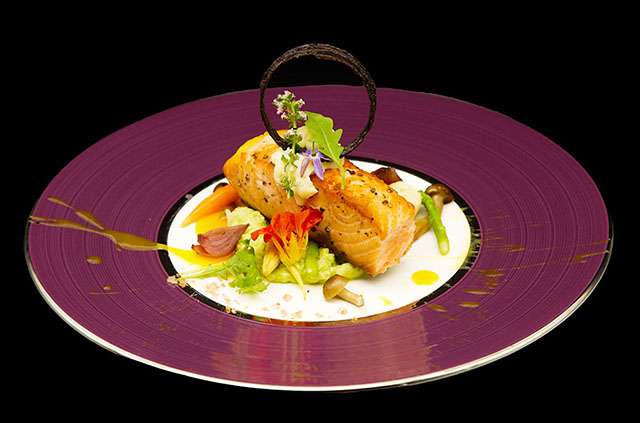
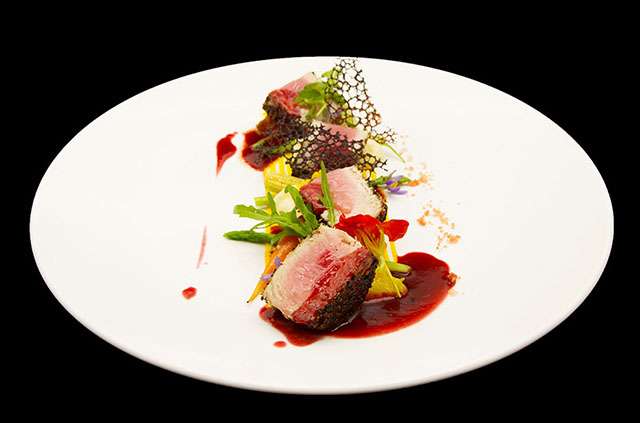
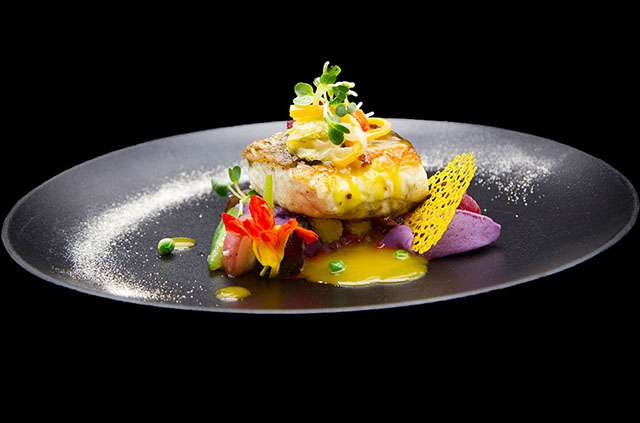
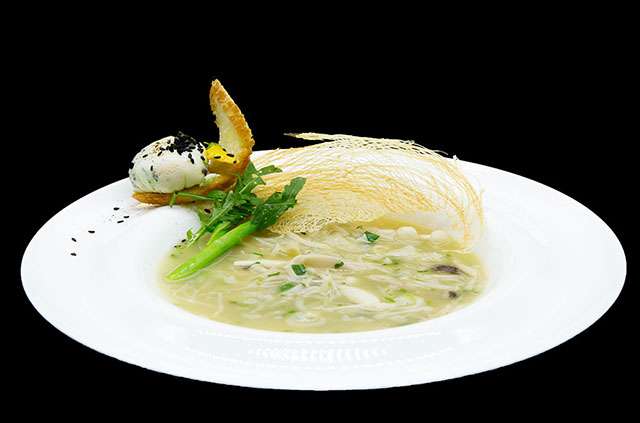
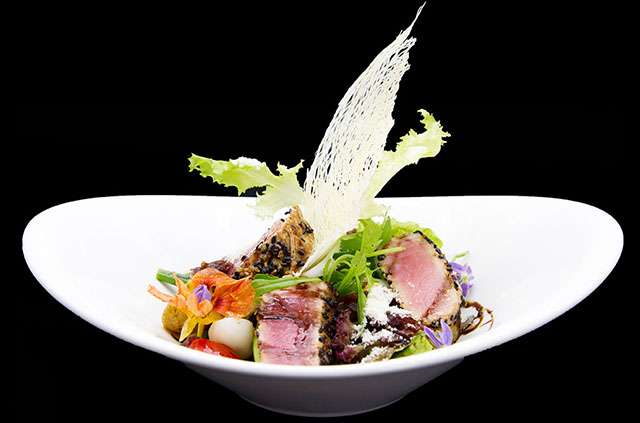
Seafood and tuna steak may suit a cleaner combination of cucumber, herbs and salad leaves. Mushroom soup generally needs no side vegetable mixed into the bowl; use fresh herbs separately so their aroma remains clear. A salad can be eaten in alternating bites with the main course rather than treated as an afterthought.
Texture, Heat And Dipping Sauce
Vietnamese meals often depend on contrast: tender meat against crisp sprouts, soft noodles beside firm vegetables, and fragrant herbs alongside a salty-sweet dip. Try one bite without sauce first. Then taste the vegetable component with sauce to identify whether the main emphasis is sour, sweet, salty or spicy.
Chilli should be approached carefully. Fresh chilli can vary considerably in heat, just as Australian diners may find the same variety differs between a Sydney grocer and a Melbourne market. Keep chilli on the side until the base flavours are clear, particularly when sharing with guests who have different spice preferences.
Dining Customs For Australian Visitors
In Australia, a salad or vegetable side is often ordered as an individual accompaniment, while Vietnamese table dishes are commonly shared. At Duong, check whether an accompaniment is intended for one plate or the whole table before dividing it. Serving spoons or clean chopsticks help keep shared vegetables tidy.
Fresh herbs may be unfamiliar to diners who usually buy coriander in bunches for tacos or curries. Their flavour can be stronger than expected, so start with a small leaf. If you have an allergy, intolerance or dietary requirement, tell the restaurant before eating; Australian food businesses operate under state and territory food-safety rules, and clear communication helps staff manage ingredients and cross-contact.
Making The Most Of The Experience
A calm, observant approach works best. Notice the temperature, fragrance and crunch of each vegetable, then adjust the amount wrapped with each bite. This is especially useful in a fine-dining setting where the side components have been selected to support the chef’s intended balance.
Duong’s location on Dong Du Street makes it convenient to include dinner in a District 1 evening of galleries, cafés and riverside walks. For visitors comparing Vietnamese dining with other destination restaurants, the Saigon dining scene provides a broader point of reference without replacing the character of a local Vietnamese menu.
Simple Ways To Enjoy Every Vegetable
- Taste one herb or vegetable on its own before combining it with the main dish.
- Use lettuce and leafy greens as loose wrappers for rolls, grilled items and noodles.
- Add crunchy sprouts and cucumber in small amounts to preserve the dish’s balance.
- Treat pickles as a palate cleanser or a sharp accent rather than a full salad.
- Dip lightly first, especially when fish sauce, chilli or a sweet glaze is present.
- Ask staff about unfamiliar herbs, allergens and the intended serving style.
- Share side vegetables evenly, using clean serving utensils where available.
Vegetable accompaniments can also reveal the restaurant’s sense of hospitality. Duong’s special dining events show how food, occasion and presentation can work together, giving diners a setting where small details matter.
Reserve a table before your visit and take time to explore each accompaniment as part of the meal. With a few thoughtful bites, fresh herbs, crisp vegetables and pickles turn a Vietnamese-inspired dinner into a more complete and memorable experience.