A guide to spice levels at Duong Restaurant Saigon
Spice is part of the conversation at a Vietnamese restaurant, but it does not have to dominate the meal. At Duong Restaurant Saigon on Dong Du Street, District 1, diners can explore fresh herbs, aromatic sauces and chilli warmth at a level that suits their palate, from virtually no heat to a fiery finish.
For Australian visitors, this is useful context. “Mild” can mean very different things in Sydney, Melbourne, Brisbane or Perth, where diners may be familiar with chilli through Thai, Malaysian and Vietnamese food yet still prefer a gentle burn at a fine-dining table. A clear request helps the kitchen present the intended balance of flavour, texture and fragrance.
Understanding Vietnamese chilli heat
Vietnamese cuisine often builds flavour through layers rather than relying on chilli alone. Garlic, shallots, fish sauce, lime, herbs, black pepper and toasted spices can make a dish taste lively even when the chilli level is close to zero. Fresh red chilli may bring a bright, immediate sting, while chilli sauces tend to offer a rounder, sweeter heat.
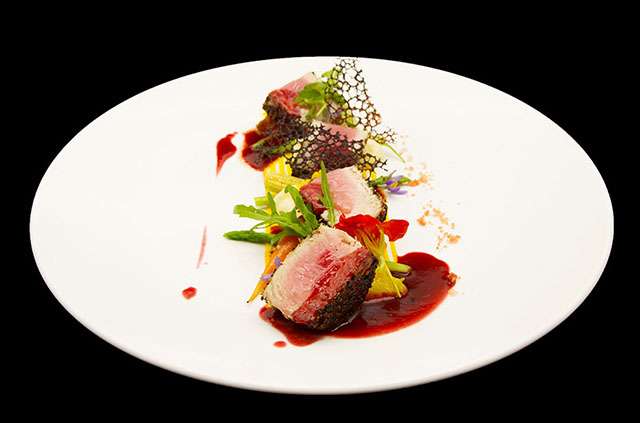
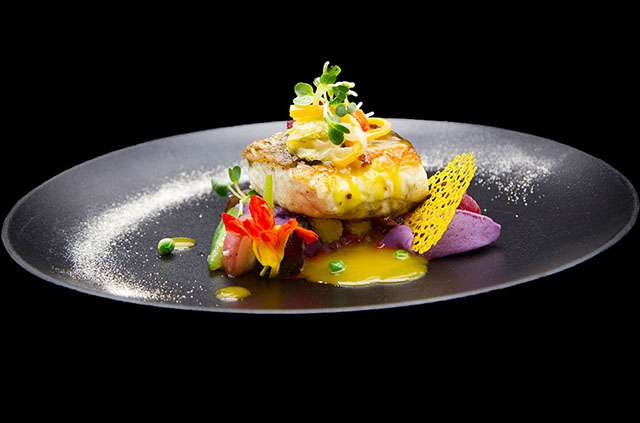
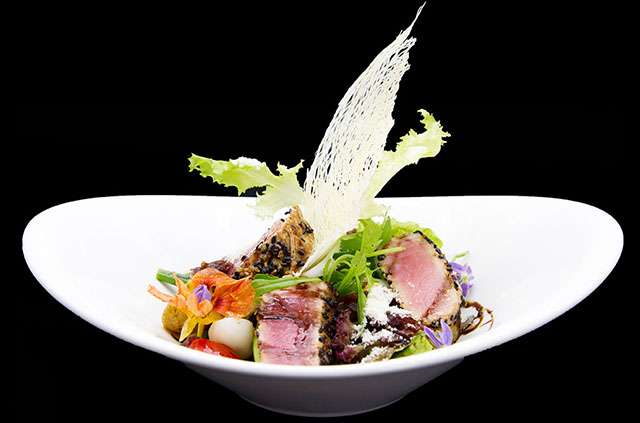
A dish such as a salad or rice noodle beef roll may be easy to adapt because the dressing or dipping sauce can be adjusted separately. Seafood and tuna dishes can also benefit from restraint: too much heat may cover delicate flavours, while a small amount can sharpen their freshness. If you are unsure, ask for chilli on the side.
The restaurant’s fine-dining setting makes this an ideal place to take a measured approach. You can start with aromatic dishes, then increase the heat gradually rather than ordering the hottest option at once. Save room for a cooling dessert, perhaps after browsing this guide to Saigon desserts.
Choosing your comfort zone
When booking or arriving, describe your usual tolerance in plain language. “No chilli”, “just a little warmth”, or “medium, like a standard Thai curry” gives the team a practical reference. Australians sometimes say “I’m right with spice” when they mean they enjoy flavourful food, so specifying whether you want gentle, moderate or intense heat is clearer.
The following scale is a guide rather than a strict measurement. Chilli varieties, sauces and personal sensitivity can change the experience, so the kitchen’s advice remains valuable.
| Level |
What to expect |
Suitable for |
| Zero |
No noticeable chilli heat; herbs and savoury flavours lead |
Sensitive diners, children and guests focused on delicate seafood |
| Gentle |
A soft tingle that fades quickly |
First-time visitors and those who enjoy mild salsa or laksa |
| Medium |
Clear warmth across the palate without overwhelming the dish |
Regular chilli eaters familiar with Australian Thai or Vietnamese food |
| Hot |
A sustained burn with chilli prominent in each bite |
Experienced diners who actively seek heat |
| Fiery |
Strong, lingering heat requiring careful pacing |
Chilli enthusiasts who are comfortable with very hot sauces |
For a group, ordering at medium can be a sensible compromise, with extra chilli served separately where possible. This works well for couples with different preferences and avoids turning the entire meal into a test of endurance.
Balancing heat with the menu
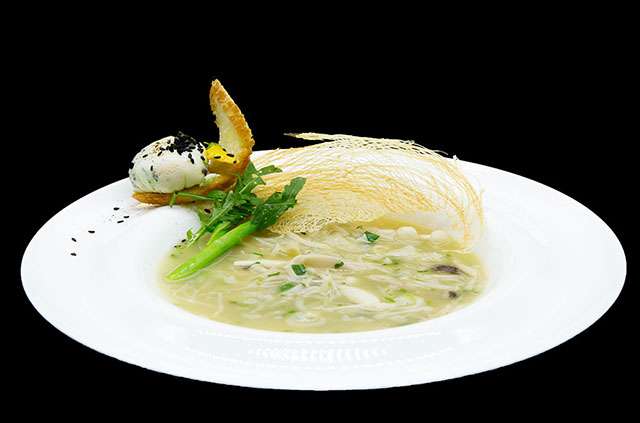
A bowl of mushroom soup can provide a gentle, savoury beginning before richer or spicier dishes arrive. Salads with herbs and crisp vegetables are useful palate refreshers, while rice and noodles soften the impact of a hot sauce. Seafood can pair beautifully with citrus and herbs, helping the meal feel bright rather than heavy.
Fat, sweetness and starch can moderate chilli more effectively than water. Rice, noodles and a creamy dessert are practical companions, while a sip of water may spread capsaicin across the mouth without removing much of the burn. For cooks keen to build nutty depth at home, this guide to toasting sesame explains a useful technique for sauces and dressings.
Australian diners may recognise this balance from a Melbourne laneway restaurant or a meal at Sydney’s Cabramatta: fresh herbs and condiments let each person adjust a bite. That flexible style suits a shared dinner, particularly when some guests prefer a mild plate and others want a serious kick.
Planning a relaxed spicy dinner
Heat is easier to enjoy when the rest of the evening is organised around it. District 1 can be busy after dark, and visitors coming from an Australian time zone may be hungry, tired or ready for a leisurely meal after walking around the city. Allow time to settle in rather than ordering several fiery dishes immediately.
- Tell the restaurant your spice tolerance when making the reservation.
- Ask whether chilli is cooked into the dish or served in a sauce.
- Begin with one gentle or medium-spiced course before escalating.
- Order rice, noodles, soup or vegetables to balance stronger flavours.
- Keep a cooling dessert in mind instead of relying on water.
- Let the staff know promptly if the heat is too strong.
- Check restaurant updates for current menu information before your visit.
This approach suits the Australian dining habit of planning ahead, especially during school holidays or a busy long weekend in Ho Chi Minh City. A reservation also helps groups avoid the awkwardness of negotiating spice levels while hungry.
Making your request clearly
A simple phrase can prevent confusion: “Please keep this mild, with no fresh chilli,” or “I enjoy hot food, but I would like to taste the seafood first.” If your preference is between gentle and medium, mention familiar benchmarks such as sambal, laksa or a mild green curry. Avoid assuming that a menu symbol has the same meaning as one used in Australia.
If you are dining after a late night, choose a lower heat level and add fresh herbs or a light soup. The idea of a comforting meal after a big evening is familiar to Australian diners, much like the appeal of all-day breakfast, but chilli can feel stronger when you are tired or dehydrated.
For specific questions about current dishes, accessibility or booking arrangements, use the restaurant’s contact details before setting out. Then let Duong’s chef-led menu guide the progression: begin with fragrance, choose a comfortable level of warmth and finish with the flavours you most want to remember.
Reserve your table at Duong Restaurant Saigon and tell the team your preferred spice level when you book. With the right guidance, your meal can move from zero to fiery at exactly the pace that makes Vietnamese cuisine exciting.