A Guide to Vegan-Friendly Dining at Duong Restaurant Saigon
Finding plant-based food in Ho Chi Minh City is increasingly easy, but fine dining requires a little more planning. A chef-led restaurant may use fish sauce, oyster sauce, butter, or meat stock in dishes that appear vegetarian at first glance. At Duong Restaurant Saigon, diners can discuss their preferences with the team and request suitable adjustments where possible.
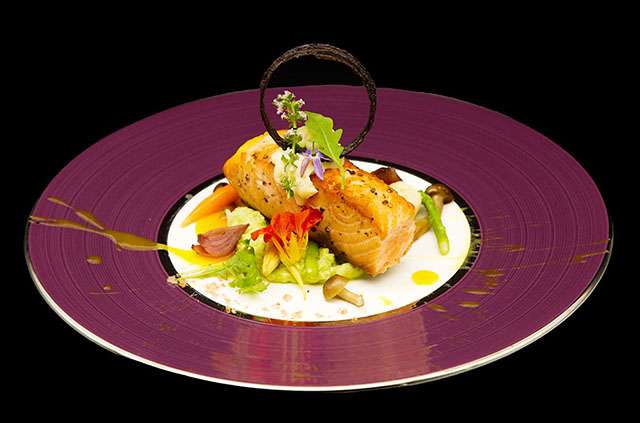
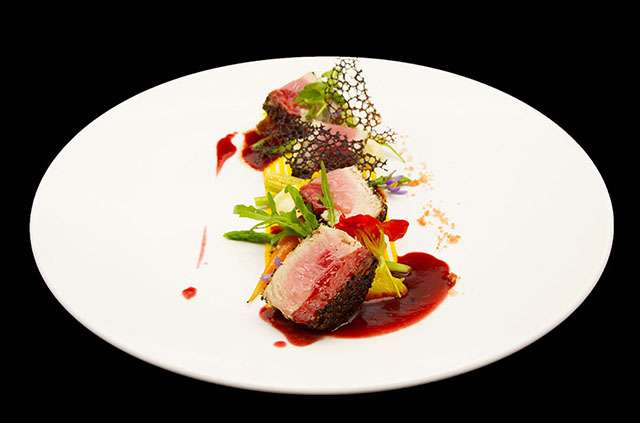
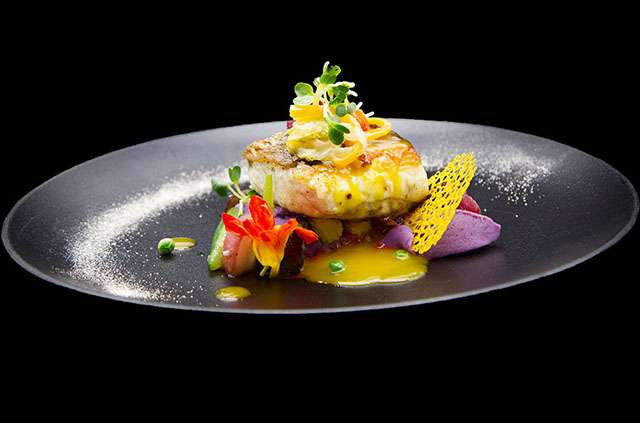
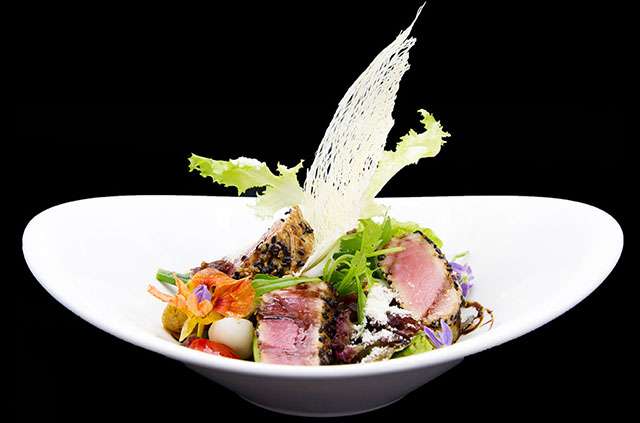
Located on Dong Du Street in District 1, the restaurant presents Vietnamese flavors through a refined Vietnamese and French fusion style. Its menu includes salads, mushroom soup, seafood, tuna steak, rice noodle beef rolls, and other contemporary dishes. For vegan guests, the best experience comes from communicating clearly before ordering and allowing the kitchen to guide the meal.
What Vegan-Friendly Means At A Fine-Dining Restaurant
A vegan dish contains no meat, seafood, eggs, dairy, fish sauce, oyster sauce, shrimp paste, or animal-based stock. In Vietnamese cooking, hidden ingredients matter: a vegetable broth may include bones, while a simple salad dressing may contain fish sauce. Clarifying these details helps the kitchen create a genuinely plant-based meal rather than an accidental vegetarian one.
“Vegan” and “vegetarian” may also be interpreted differently from restaurant to restaurant. Explain that you avoid all animal products, and mention whether cross-contact is a concern. If you have an allergy as well as a dietary preference, state that separately so the staff can respond appropriately.
Plant-Based Starters And Salads
Fresh vegetables, herbs, and tropical produce are natural foundations for a vegan meal in Vietnam. Ask whether a seasonal salad can be prepared with a plant-based dressing, roasted nuts, fresh herbs, or citrus. Lime, chili, ginger, Vietnamese coriander, and toasted sesame can add complexity without relying on fish sauce or dairy.
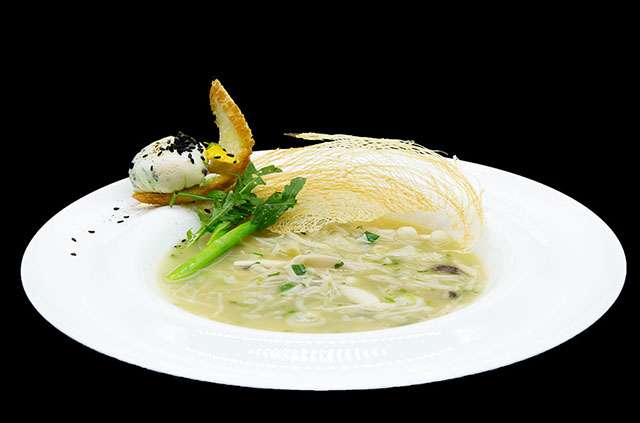
Mushroom soup may also be a promising option, but the stock should be checked carefully. Request a vegetable-based broth and confirm that butter, cream, or seafood seasoning is not used. A chef may be able to adapt the soup with local mushrooms, herbs, and aromatics while preserving its rich, savory character.
For broader ideas about regional dishes and dining locations, this Ho Chi Minh dining guide can help place a meal at Duong within the city’s wider culinary scene.
Vietnamese Flavors Without Meat Or Seafood
The restaurant’s rice noodle beef roll is associated with a signature Vietnamese presentation, but the concept can inspire a plant-based alternative. Ask whether rice paper, noodles, mushrooms, tofu, herbs, and vegetables can replace the beef, with a dipping sauce made without fish sauce. This depends on ingredient availability and the kitchen’s service capacity.
You can learn more about the dish’s traditional form through the rice noodle roll guide. The article helps explain the balance of texture, herbs, noodles, and dipping sauce, which are useful elements when discussing a vegan adaptation with the restaurant.
Rice-based dishes, grilled vegetables, sautéed mushrooms, and herb-forward preparations may offer additional possibilities. Rather than asking for a generic plate of vegetables, describe the flavors you enjoy—spicy, fresh, smoky, tangy, or savory—so the chef can shape a more considered course.
Dishes To Discuss With The Kitchen
The following guide identifies dishes that may be adaptable, along with the questions to ask before ordering. Availability, preparation methods, and substitutions can change, so treat these as conversation points rather than guaranteed vegan menu items.
| Menu style or dish |
Possible vegan adjustment |
Details to confirm |
| Seasonal salad |
Use lime, chili, herbs, and a plant-based dressing |
No fish sauce, shrimp paste, egg, or dairy |
| Mushroom soup |
Prepare with vegetable stock and plant-based garnish |
No bone broth, cream, or butter |
| Rice noodle beef roll |
Replace beef with mushrooms, tofu, or vegetables |
Rice paper, sauce, and cooking surface |
| Vegetable-centered entrée |
Add rice, noodles, herbs, or roasted vegetables |
No seafood seasoning or animal-based stock |
| French-influenced preparation |
Use olive oil or another plant-based fat |
No butter, cream, cheese, or egg |
A restaurant may not be able to modify every dish during a busy service. It is better to receive a smaller number of carefully prepared courses than to assume that removing one visible ingredient makes a dish vegan. Ask about sauces and garnishes as carefully as the main component.
Making A Reservation With Dietary Requests
Mention your vegan requirements when making a reservation, especially if you are planning a multi-course dinner or visiting with a group. Giving advance notice allows the kitchen to check produce, stocks, sauces, and possible substitutions. It also reduces the chance of having to make several last-minute changes at the table.
Share the number of vegan diners, preferred spice level, allergies, and any ingredients you particularly enjoy. If you are dining with non-vegan guests, the restaurant may be able to create a shared progression in which plant-based courses complement the broader Vietnamese and French-inspired menu.
Enjoying The Setting And Service
A relaxed atmosphere can make dietary communication much easier. Duong Restaurant Saigon promotes a cozy dining environment where guests can take time with the menu and speak with the service team. For a closer look at the setting, explore the cozy dining atmosphere before planning an evening visit.
Fine dining is also about pacing, presentation, and hospitality. A vegan meal does not need to feel like a substitution menu when the kitchen uses Vietnamese herbs, fresh produce, contrasting textures, and carefully balanced sauces. Allowing the chef some creative freedom can lead to a more distinctive plant-based experience.
Practical Tips For A Smooth Vegan Meal
Use these recommendations when arranging a plant-based visit:
- Reserve in advance and state clearly that every course must be vegan.
- Ask about fish sauce, oyster sauce, shrimp paste, meat stock, butter, cream, egg, and cheese.
- Confirm whether sauces, garnishes, and cooking surfaces are shared with seafood or meat.
- Describe preferred flavors and textures instead of requesting only ingredient substitutions.
- Reconfirm the dietary request with the server when you arrive.
A little preparation helps the restaurant deliver a meal that feels intentional, polished, and connected to Vietnamese cuisine. With clear communication, dishes built around mushrooms, herbs, vegetables, rice noodles, and fresh local flavors can provide a satisfying alternative to the seafood and meat specialties on the regular menu.
Contact Duong Restaurant Saigon when making your reservation to discuss available vegan arrangements, then enjoy a chef-led evening in District 1 shaped around fresh ingredients and Vietnamese-inspired flavor.