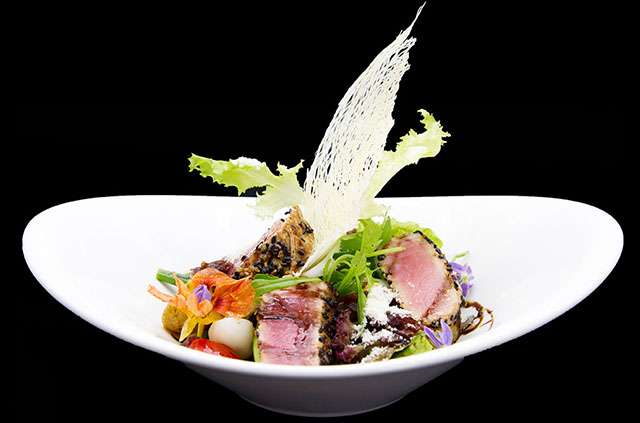
Inside Duong's appetizer sampler
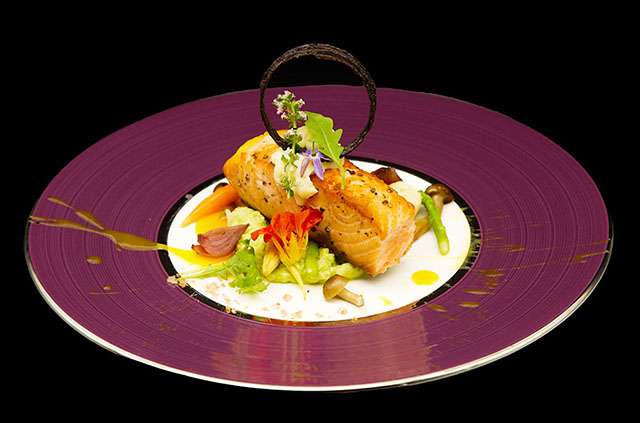
A look at the appetizer sampler at Duong Restaurant Saigon reveals a concise expression of the kitchen’s Vietnamese and French fusion. On Dong Du Street in District 1, the chef-led menu moves from rice noodle beef rolls and seafood to tuna steak, mushroom soup and salads, with an intimate atmosphere made for lingering over a shared table.
The sampler is most useful when diners want to compare contrasting flavours before choosing a main course. Its small plates place soft, crisp, warm and fresh elements in the same frame, much like the communal small-plate dinners familiar in Melbourne and Sydney, while retaining the measured rhythm of fine dining.
Why the shared first course matters
Treat the sampler as a progression rather than a collection of unrelated snacks. Begin with milder, lightly seasoned bites, then move towards richer seafood or meat, finishing with something fresh. This sequence keeps each flavour distinct and prevents heavier dishes from overpowering delicate rolls or herbs.
Sharing also gives the table access to more of the chef-led menu without committing to a large number of individual starters. Diners can compare textures, discuss the sauces and decide which flavours deserve to become the focus of the meal. The restaurant’s cozy setting makes this unhurried approach especially natural.
Lead with the rice noodle beef rolls
Give the rice noodle beef rolls first place. Their soft noodle texture, savoury beef and fresh accents provide a clear introduction to Duong’s Vietnamese foundation, while the neat, delicate presentation reflects its French influence. Taking the first bite before the fried items arrive lets you notice the seasoning rather than the crunch.
The rolls also establish the kitchen’s capacity for subtle contrasts: warm and cool, tender and crisp, savoury and fresh. Once those flavours are familiar, seafood becomes easier to appreciate. For a birthday dinner or anniversary, Duong’s reservation guide can help secure a table with enough time to enjoy the full progression.
Give seafood a second look
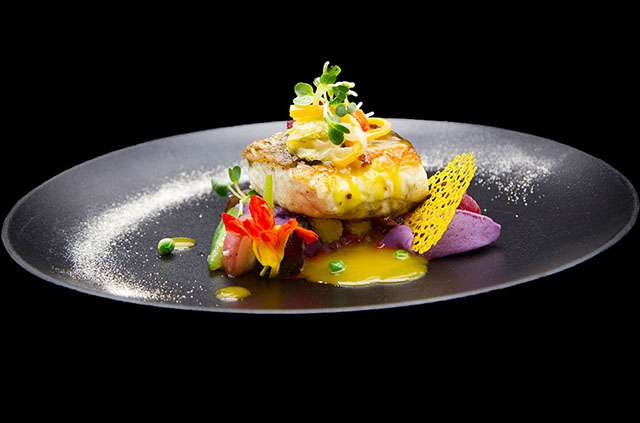
After the rolls, turn to the sampler’s seafood. A lightly cooked fish or prawn can reveal clean seasoning and natural sweetness, while a fried item supplies the richer crunch that the first course has not yet provided. This balance of delicate and crisp elements is where the fusion style becomes most apparent.
A useful benchmark is the lemon calamari pairing, which demonstrates how a crisp seafood exterior works with a smooth, acidic sauce. The same principle applies at Duong: lemon, chilli or a herb dressing can sharpen seafood without hiding its flavour. Australians already recognise this style through fish-and-chip counters and the energetic seafood displays of Sydney Fish Market.
Balance richer flavours with freshness
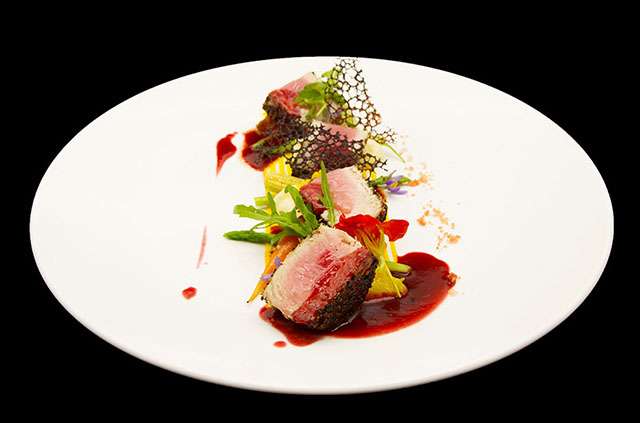
Once the seafood has been sampled, compare its intensity with the tuna steak. Tuna offers a firmer texture and deeper savoury note, making it a strong choice for diners who want a substantial bite. Because tuna is familiar on Australian seafood menus, many guests will recognise the value of keeping its seasoning clear and its centre carefully judged.
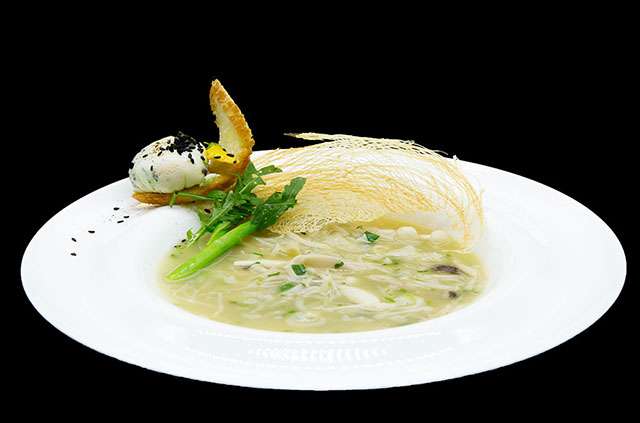
The mushroom soup or a fresh salad provides the counterweight. Warm broth can soften the palate after fried food, while herbs, lettuce and a sharp dressing restore brightness. Another perspective comes from the minimal-oil mutton curry, where careful spice layering and reduced oil keep a rich dish balanced. That same attention to seasoning suggests why lighter courses can work so well beside the sampler’s richer flavours.
Build a balanced sampler order
Build the selection in stages: soft and herbal first, fried seafood next, followed by tuna or another substantial element, with broth or salad available as a final reset. The order lets the table experience greater depth without making every plate feel heavy.
| Dish to prioritise |
Why it is worth tasting |
Best moment |
| Rice noodle beef rolls |
Delicate texture with savoury depth |
First |
| Fresh seafood |
Natural sweetness and clean seasoning |
Second |
| Crisp fried bites |
Crunch and richness |
Third |
| Tuna steak |
Firm texture and concentrated flavour |
Fourth |
| Mushroom soup or salad |
Warmth, herbs and refreshing acidity |
Last |
For a leisurely visit, combine the meal with nearby culture by following Duong’s neighbourhood gallery guide. The food also draws on familiar market principles: Australian cooks working with Vietnamese ingredients would recognise the prawns, limes, herbs and fresh noodles found among the produce stalls of Melbourne’s Queen Victoria Market.
Make it a Saigon occasion
Plan the restaurant around the wider city rather than treating it as an isolated stop. Allow time for the Reunification Palace visit, where the contrast between ceremonial history and the energy of modern Ho Chi Minh City adds context to a refined evening in District 1. Reservations are particularly useful on weekends, when Saigon dining rooms fill quickly.
Choose the sampler for the first course, then let the rest of the menu unfold at a comfortable pace. Share the rolls, compare the seafood and reserve the richest flavours for those who want them. Remember to mention allergies or dietary requirements when booking so the team can guide the menu accordingly.
Reserve your table for the appetizer sampler and make your next Saigon meal a shared exploration of Vietnamese ingredients, French technique and the vivid contrasts that define Duong Restaurant.