The Design Story Behind Duong Restaurant Saigon’s Dining Room
Duong Restaurant Saigon presents dining as a complete sensory experience, with its interior playing an important role alongside Vietnamese-inspired food and French technique. Located on Dong Du Street in District 1, the restaurant sits in one of Ho Chi Minh City’s most energetic areas, yet its dining room offers a quieter pace once guests step inside.
The room’s appeal comes from balance rather than spectacle. Warm illumination, close-set tables and an intimate atmosphere create a setting suited to an unhurried meal, while the styling retains a distinctly Vietnamese character. The result feels polished enough for fine dining without becoming formal or distant.
For Australian visitors, the room offers a welcome change from the bright, open layouts common in many Melbourne or Sydney restaurants. It is a place where the design encourages conversation, careful tasting and attention to the plate, whether guests arrive after sightseeing or settle in for an evening meal.
A Calm Setting In The Middle Of District 1
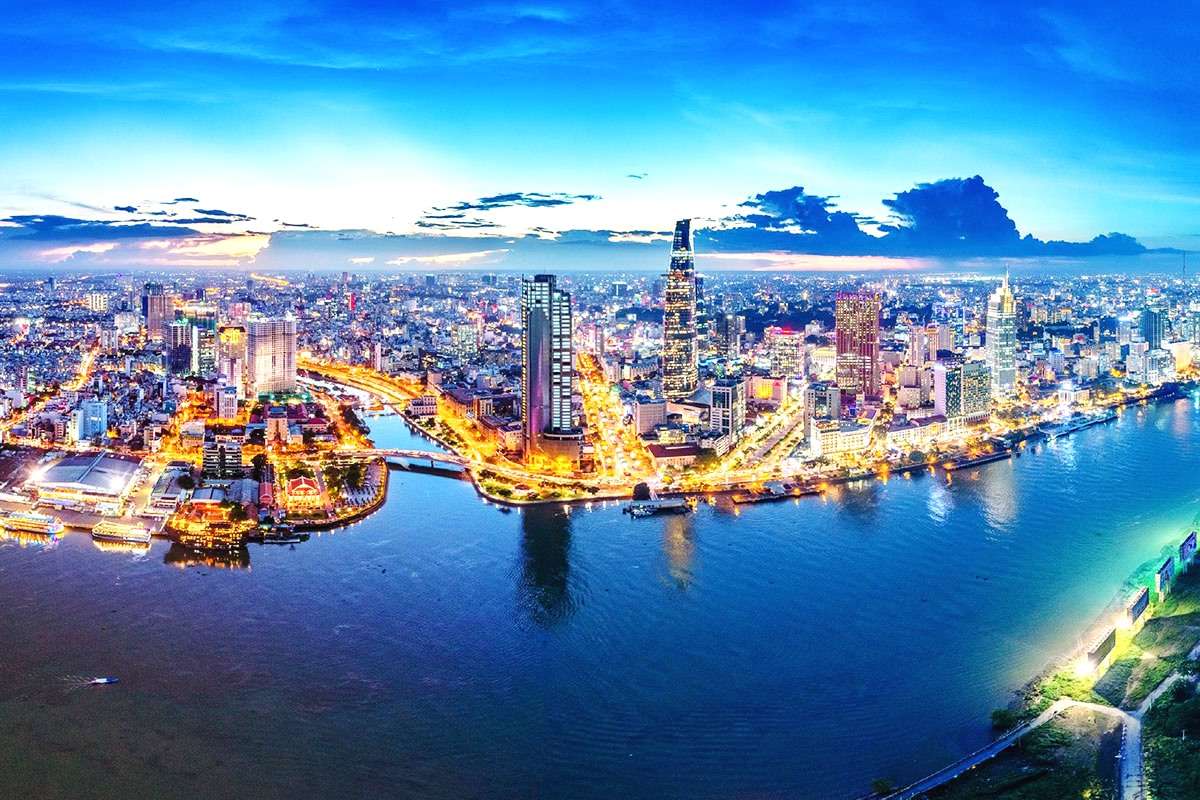
Dong Du Street is surrounded by hotels, boutiques, cafés and busy traffic, so the restaurant’s interior creates a useful sense of separation from the city outside. That contrast is central to the experience. Ho Chi Minh City can feel fast, warm and crowded, particularly during the evening rush, while the dining room is arranged for a more measured rhythm.
The compact urban location also influences the atmosphere. Rather than relying on a vast floor plan, the restaurant makes intimacy part of its identity. Guests can focus on the chef-led menu and table service, with the room providing a comfortable backdrop instead of competing with the food.
Vietnamese Character With French Restraint
The design reflects the same fusion found in the cuisine. Vietnamese details are expressed through warmth, texture and a sense of hospitality, while French influence appears in the room’s restraint and composed presentation. The combination avoids a theme-park interpretation of local culture and feels more like a contemporary dining space shaped by its surroundings.
This balance is particularly effective for travellers who want a refined experience without losing a connection to Vietnam. The restaurant does not need excessive decoration to communicate place. Its mood, service style and food presentation work together to suggest a modern Saigon interpretation of traditional culinary ideas.
Materials, Light And Table-Level Detail
Lighting has a major role in the room’s design. Softer illumination can make close seating feel intentional, giving the restaurant a relaxed evening character. For Australian diners used to early dinners or bright all-day venues, this lower-key approach signals that the meal is meant to unfold gradually rather than be treated as a quick stop.
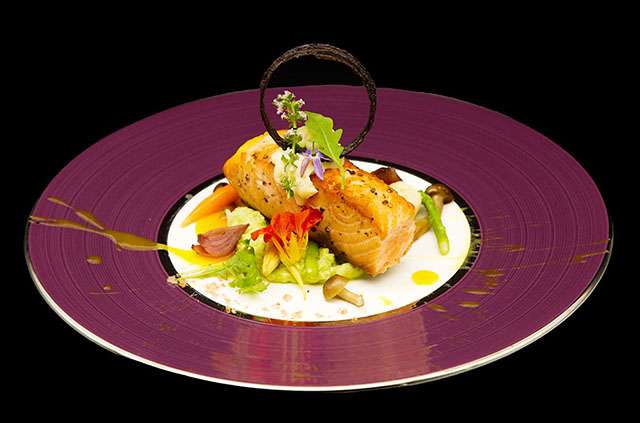
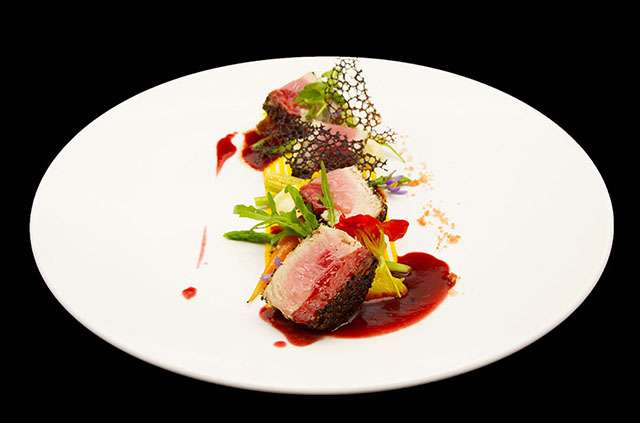
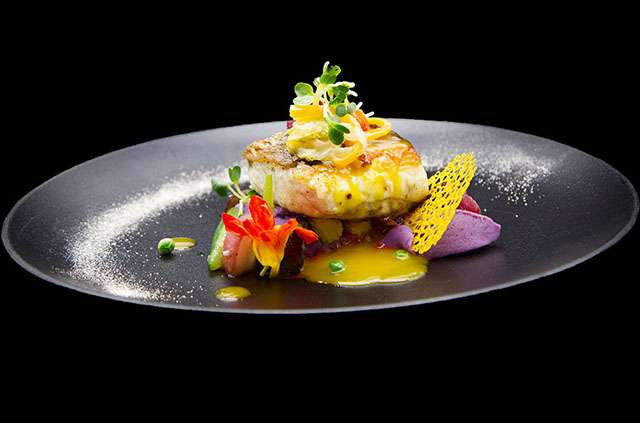
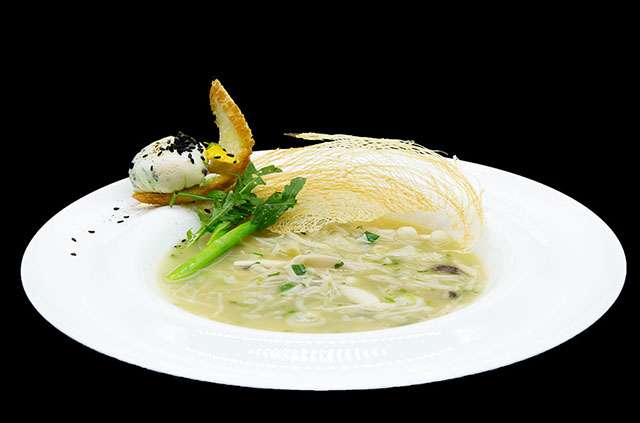
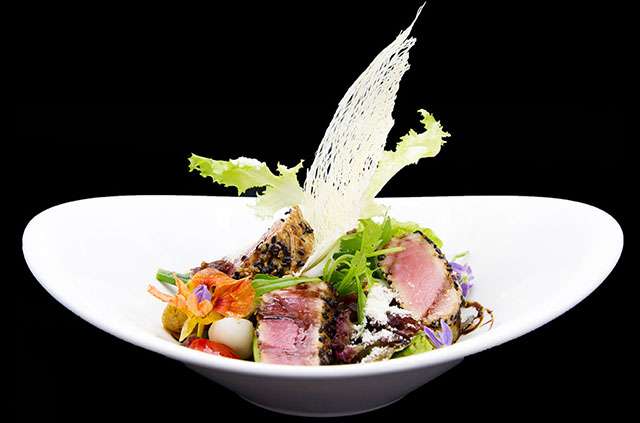
At table level, the design supports the food. A simple, uncluttered setting helps bring attention to dishes such as seafood, tuna steak, mushroom soup, salads and rice noodle beef rolls. The visual language is elegant without making guests feel they need a special occasion wardrobe or formal dining experience.
A Room Designed Around The Menu
The dining room’s strongest design decision is its support for the menu’s progression. Appetisers, main courses and desserts can be enjoyed as stages in a tasting journey, with each plate receiving visual and sensory attention. Guests interested in how the meal develops can explore the tasting journey before booking.
This approach suits Australian dining habits, where shared plates and dietary conversations are common. Staff can help explain flavours, ingredients and serving order, making the experience accessible to first-time visitors. The setting feels suitable for a couple, a small group of friends or a business dinner that calls for something more distinctive than a casual café.
Details That Shape The Dining Experience
Several design elements work together to make the restaurant feel comfortable and considered:
- Warm lighting that softens the urban surroundings
- Close, intimate seating suited to conversation
- A restrained palette that keeps attention on the dishes
- Vietnamese-inspired touches balanced by contemporary styling
- Table presentation that supports a multi-course meal
- A calm atmosphere for lingering over food and wine
These choices are practical as well as visual. In a warm climate, comfort depends on more than appearance; airflow, spacing and pacing all influence whether guests want to stay. Visitors from Brisbane, Perth or Darwin may already be familiar with humid conditions, but Ho Chi Minh City’s tropical heat can still make a cool, welcoming interior especially appealing after a day outdoors.
The room also fits different travel routines. A guest may arrive after walking around Ben Thanh Market, visiting the Saigon Central Post Office or shopping along Dong Khoi Street. Guidance on local customs, transport and planning can be found in this useful Ho Chi Minh City travel guide, helping visitors arrive with a clearer sense of the neighbourhood.
Why The Atmosphere Matters To Australian Diners
Australian guests often value relaxed service, clear menu information and a setting that feels polished without being stiff. Duong Restaurant Saigon’s dining room answers those preferences through its approachable version of fine dining. The experience is elevated, yet it remains connected to the warmth and generosity associated with Vietnamese hospitality.
Practical details can make the visit easier. Australia’s strong awareness of food allergies and dietary preferences means travellers may want to discuss ingredients with staff before ordering, especially when choosing seafood, sauces or shared dishes. It is also worth remembering that service customs differ between countries, and that prices, tipping expectations and restaurant etiquette in Vietnam may not match those in Sydney or Melbourne.
For many Australian travellers, the room becomes part of the destination rather than simply a place to eat. It frames the meal as a pause from traffic, heat and sightseeing, while its design communicates the restaurant’s broader identity: local in spirit, contemporary in execution and attentive to the details of hospitality.
Reserve a table at Duong Restaurant Saigon and experience how its dining room, service and Vietnamese-French menu come together in the heart of District 1.