A photographer’s guide to Duong Restaurant Saigon’s dishes
Photographing a fine-dining meal is an exercise in timing, restraint, and observation. At Duong Restaurant Saigon on Dong Du Street, the Vietnamese and French influences create a varied visual palette: fresh herbs, glossy sauces, delicate noodle rolls, seared seafood, and carefully composed plates.
The restaurant’s cozy District 1 setting also gives food photographers more than individual dishes to capture. Warm service, chef-led presentation, table details, and the atmosphere of a Saigon dining room can turn a collection of food images into a complete visual story.
The best results come from preparing before the first plate arrives. Bring equipment suited to low light, decide which details matter most, and leave enough space in your schedule to photograph the food while it is fresh and beautifully arranged.
Choose the right visual story
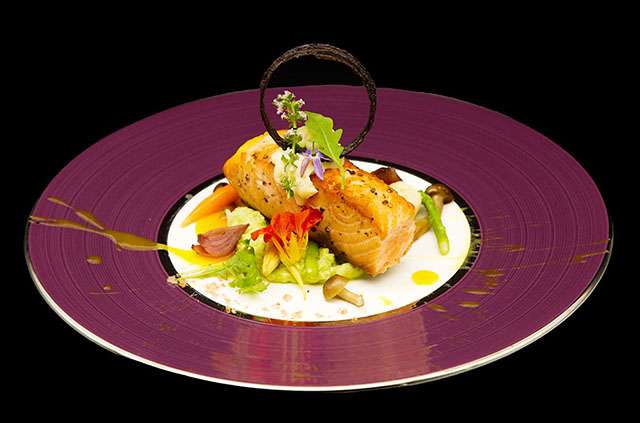
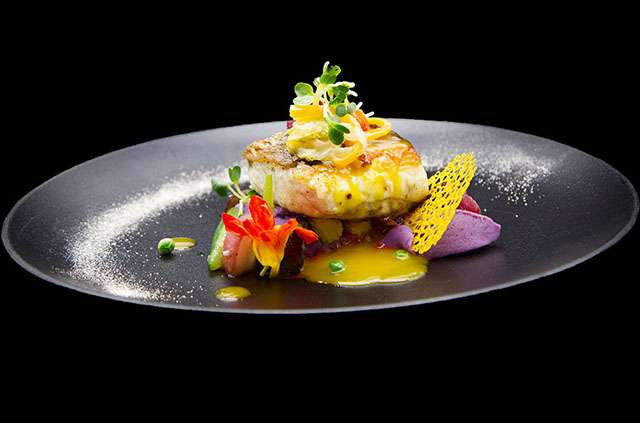
Begin by deciding what you want the finished photo series to communicate. A close-up of a rice noodle beef roll may emphasize texture and craftsmanship, while a wider image of a seafood plate can express abundance, color, and the restaurant’s modern Vietnamese character.
A useful sequence includes an establishing photograph, one or two composed plate images, several detail shots, and a final image showing the meal in context. This structure keeps the gallery from feeling repetitive and gives viewers a sense of place as well as flavor.
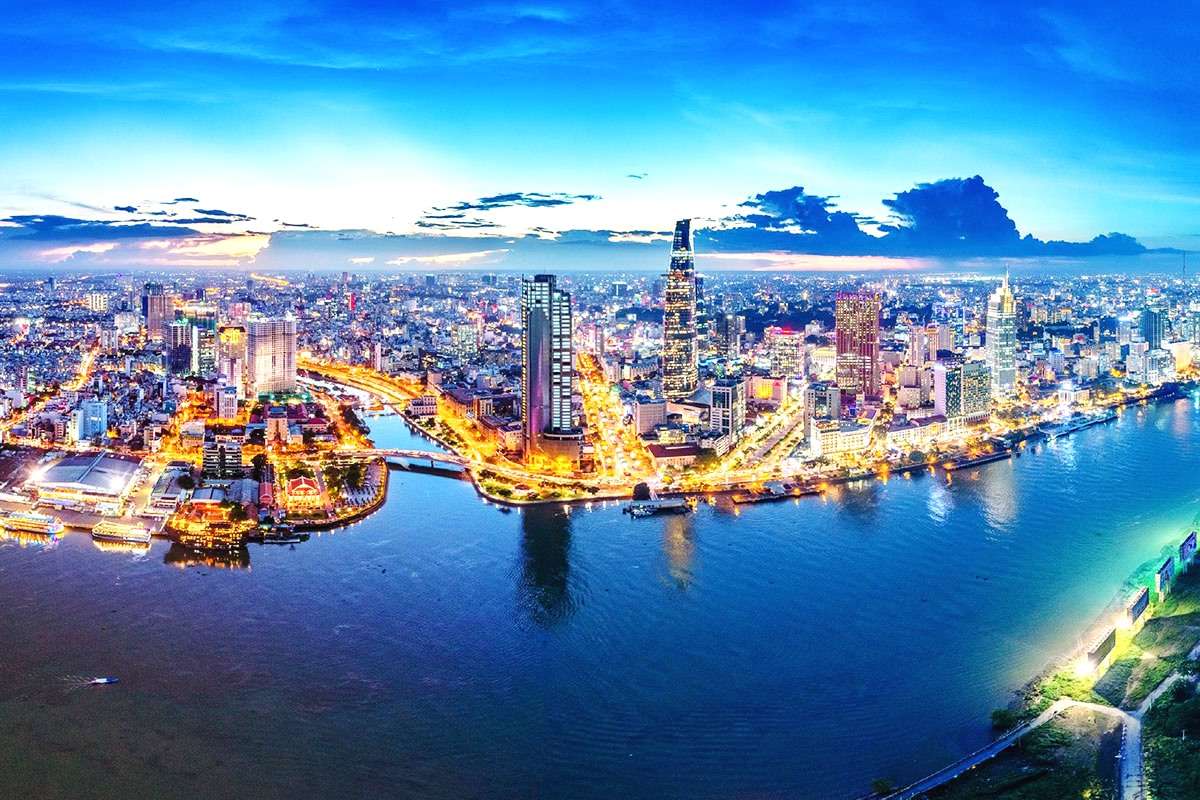
Duong’s location makes it easy to connect dining with the surrounding neighborhood. A short walk near the Mariamman Hindu Temple can provide colorful architectural or street photographs before dinner, helping create a broader Saigon travel narrative.
Prepare for restaurant light
Restaurant lighting can be atmospheric but unpredictable. Warm overhead lamps may give food an attractive glow while turning white plates yellow or flattening the natural colors of herbs and seafood. Set a custom white balance if you are shooting manually, or photograph a neutral napkin and correct the color during editing.
A fast lens, such as a 35mm or 50mm prime, is especially useful in a compact dining room. It allows you to work with available light and create gentle background separation without carrying bulky equipment. Raise the ISO when necessary, but protect the highlights on pale sauces, shiny seafood, and reflective plates.
Avoid flash unless the restaurant has approved it and you can soften the light. A direct burst can disturb other guests and erase the mood you are trying to preserve. Instead, place your camera near a brighter side of the table, use a stable posture, and take several exposures at modest shutter speeds.
Match the angle to the dish
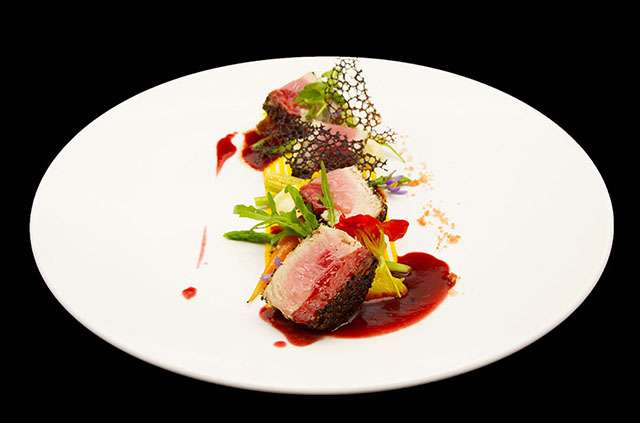
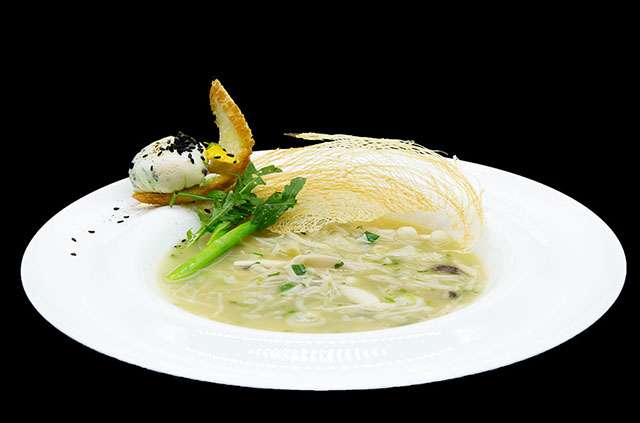
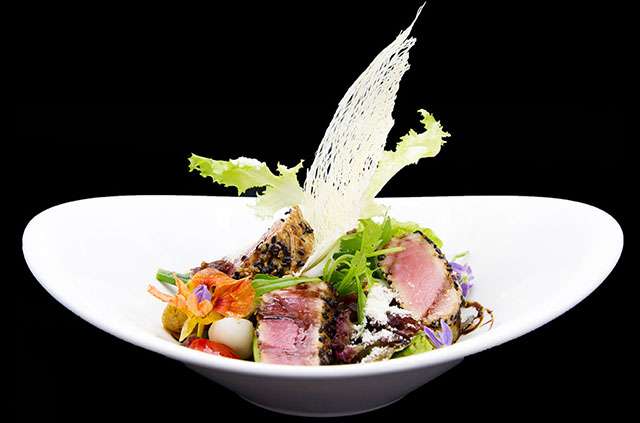
Different foods benefit from different perspectives. Overhead photographs work well for salads, noodle preparations, and plates with symmetrical garnishes. A 45-degree angle often suits tuna steak, seafood, and mushroom soup because it shows both the surface and the depth of the dish. A low angle can make a carefully plated entrée feel more substantial.
The table below offers a starting point rather than a strict formula. Adjust the composition according to the plate’s height, sauce placement, and the direction of the available light.
| Dish or subject |
Useful angle |
Detail to emphasize |
Composition note |
| Rice noodle beef rolls |
45 degrees or close side view |
Rolled layers, herbs, dipping sauce |
Leave space for chopsticks or serving gestures |
| Seafood |
Slightly overhead |
Shells, sheen, contrasting colors |
Keep the frame clean so the plate remains the focus |
| Tuna steak |
45 degrees |
Seared edge and interior color |
Use side light to define the cut surface |
| Mushroom soup |
Low 45-degree view |
Steam, bowl shape, creamy texture |
Include a spoon or bread detail for context |
| Salads |
Overhead |
Leaf structure and fresh garnish |
Arrange supporting elements around the plate, not across it |
Photograph a hero frame first, before anyone begins eating. Then move closer for texture: the edge of a seared tuna steak, droplets on a leaf, or the fine surface of a soup garnish. These secondary images often make the final photo set feel more tactile and inviting.
Capture texture and movement
Still food photography becomes more expressive when it includes small moments of action. Ask a companion to lift a noodle roll, pour sauce, break a piece of beef, or place a fork beside the plate. Hands add scale and show how the food is meant to be enjoyed.
Keep movement controlled. Use a shutter speed of at least 1/125 second for pouring or lifting, and focus on the point where the action meets the food. Take several frames in quick succession because liquid trails and hand positions can change significantly between exposures.
Steam is difficult to record under dim ambient light, but a bright background can make it visible. Mushroom soup may benefit from being photographed immediately after serving, while seafood and salads should be captured before condensation, wilting, or sauce migration changes their appearance.
Use the setting as context
A dish photograph does not need to show the entire restaurant to communicate atmosphere. Include small environmental details such as tableware, a textured wall, a server’s hand, or the soft glow of nearby lamps. These elements can frame a plate without competing with it.
Leave negative space when possible. Empty areas around a plate give the image a calm, refined quality and create room for editorial layouts or social media text. Avoid collecting unrelated objects from nearby tables; instead, work with what naturally belongs to the dining setting.
For photographers planning a food-focused visit during the day, the restaurant’s set lunch option can provide a practical way to explore several presentation styles without turning the meal into a rushed production. Photograph respectfully, keep equipment compact, and allow staff to serve the food at its intended temperature.
Refine the final image set
Editing should preserve the restaurant’s character rather than make every plate look artificially bright. Correct distracting color casts, recover highlights, and add moderate contrast to define ingredients. A subtle crop can strengthen the composition, but excessive saturation may make herbs look unnatural and seafood appear unappetizing.
Keep a consistent visual treatment across the series. Similar white balance, contrast, and shadow depth will make photographs of beef rolls, seafood, tuna steak, mushroom soup, and salads feel like parts of one dining experience. Retain a few wider images so the final gallery has rhythm instead of becoming a sequence of nearly identical close-ups.
Practical shooting checklist
Before pressing the shutter, use a simple routine that protects both the quality of the photographs and the comfort of other diners.
- Bring one versatile lens, a spare battery, and a compact camera strap.
- Photograph each dish shortly after it arrives, before tasting or rearranging it.
- Check focus on the most important texture, such as a cut edge or garnish.
- Use side light and modest exposure compensation to protect pale highlights.
- Ask permission before using flash, moving tableware, or taking staff portraits.
A respectful approach is part of professional food photography. Keep your setup on your own table, avoid blocking service paths, and take a few purposeful frames instead of turning the meal into an extended production. This allows the restaurant’s hospitality and the food itself to remain central to the experience.
Reserve a table at Duong Restaurant Saigon, bring a quiet and flexible camera setup, and build your photo story from the first atmospheric detail to the final beautifully plated dish. With thoughtful timing and careful observation, your images can present Vietnamese-inspired cuisine with the warmth, precision, and sense of place it deserves.