Pre-theater dinner at Duong Restaurant Saigon: timing and courses
Travellers landing in Ho Chi Minh City from Sydney or Melbourne often arrive with a cultural calendar already mapped, eager to pair the city's French colonial heritage with its contemporary stage scene. For those planning a refined evening near the musical and theatrical venues of District 1, a pre-theater dinner requires a thoughtful balance of elegance and efficiency. Duong Restaurant Saigon, situated on Dong Du Street, offers a setting where Vietnamese ingredients meet classical French technique, allowing guests to enjoy a complete culinary arc before stepping out into the evening lights.
The challenge of pre-theater dining is universal, whether rushing to a performance at the Sydney Opera House or catching a show in Ho Chi Minh City. Diners want flavour and substance but cannot linger over a tasting menu that overruns curtain call. Duong's structure anchors each dish in timing, ensuring the kitchen's rhythm aligns with the audience's schedule.
Ho Chi Minh City runs between two and four hours behind Australia's eastern states, depending on daylight saving. This time difference matters for Australian visitors who plan their evening around local performance schedules, which typically begin between 19:00 and 20:00. A well-paced dinner concluding by 19:30 allows guests to walk to nearby venues without stress, preserving the unhurried spirit of Vietnamese hospitality the restaurant is known for.
The team has refined its pre-theater offering to reflect both the rigour of French service and the freshness of Vietnamese produce. The result is a menu that feels deliberate rather than rushed, with courses designed to be enjoyed within a tight window without sacrificing the chef-led artistry that defines the kitchen.
Why pre-theater timing matters in Ho Chi Minh City
District 1's theatres and concert halls sit within walking distance of many fine-dining establishments, yet few coordinate service with performance schedules the way a dedicated pre-theater menu can. In cities like Sydney, patrons often arrive at the Opera House forecourt an hour before curtain after a quick bistro meal. Ho Chi Minh City now mirrors this habit, particularly among expatriates and visitors from Australia, Japan, and Europe who book dinner and show combinations through hotel concierges.
Vietnamese dining culture traditionally favours long, family-style meals, but the modern urban professional has shifted towards more structured evenings. Australian travellers, used to early dining windows shaped by New South Wales and Victorian liquor licensing rules, appreciate a restaurant that respects the clock. The team at Duong sequences courses so the kitchen can clear a table in roughly seventy-five minutes.
Starters and mains: speed meets flavour
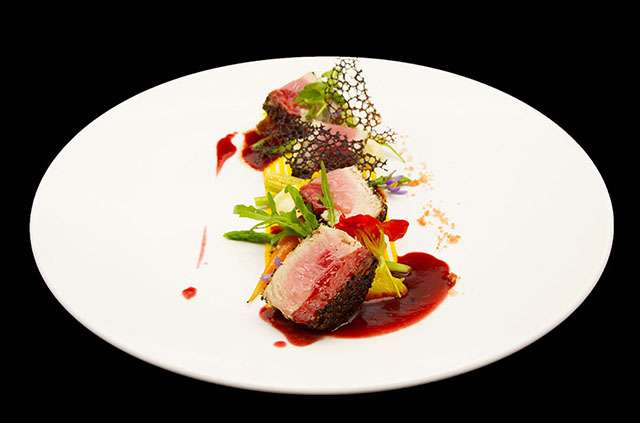
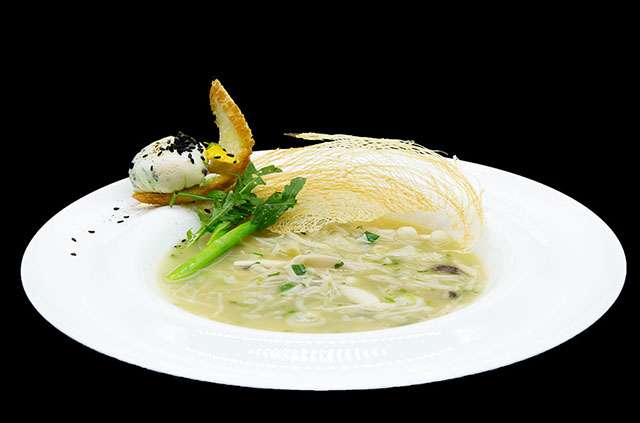
Starters draw on the lightness Vietnamese cuisine is celebrated for, tempered by French precision. A bowl of mushroom soup arrives warm rather than scalding, encouraging diners to enjoy it quickly. Tuna tartare, dressed with local citrus and herbs, offers protein without dulling the appetite for the main course that follows. Staff guide guests towards options that match their schedule, a touch of attentive hospitality similar to the service found in Melbourne's laneway restaurants or Sydney's harbourside dining rooms.
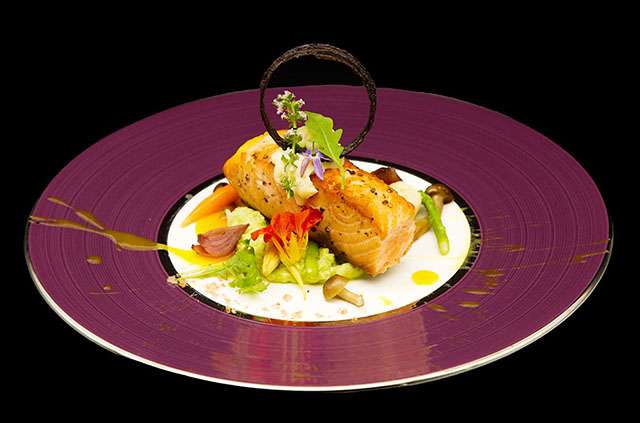
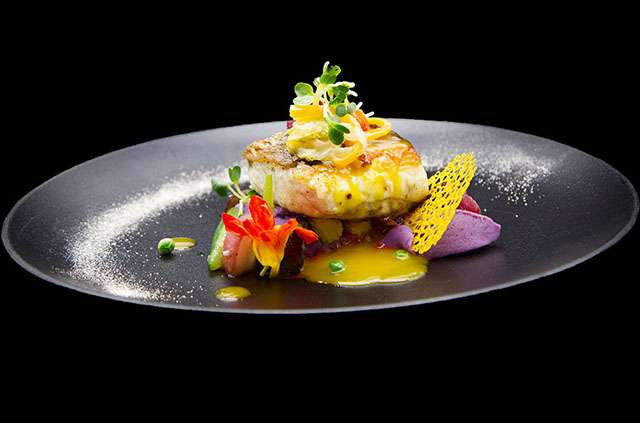
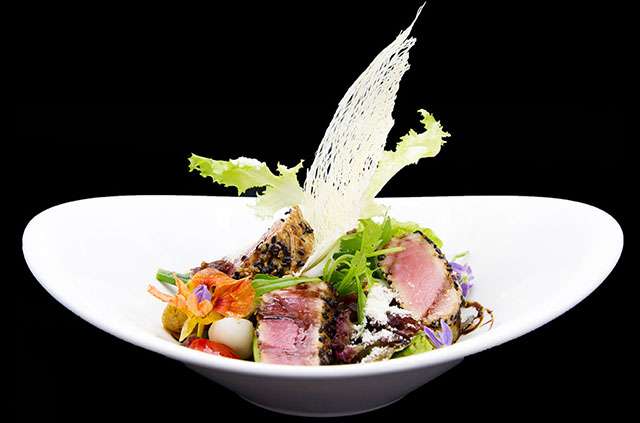
The main course is where the chef's fusion philosophy shines. Rice noodle beef rolls arrive presented but unfussy, designed to be eaten without ceremony. Pan-seared tuna steak cooks in moments and rests briefly before plating, ensuring the fish stays at its best. Australian diners often gravitate towards seafood when travelling in Asia, given the strong reputation of Vietnamese fisheries and the quality of tuna available locally. Each main is portioned to satisfy without overwhelming, an important consideration when dessert still awaits.
The three courses at a glance
The pre-theater menu follows a classic three-course arc: starter, main, and dessert. Each phase is calibrated to last between twenty and twenty-five minutes, leaving a comfortable margin for arrival, ordering, and departure. The pacing suits a 19:00 reservation, allowing guests to reach a 20:00 performance without rushing.
| Course |
Recommended duration |
Example dishes |
Pacing notes |
| Starter |
15–20 minutes |
Tuna tartare, mushroom soup with herbs |
Light, cool, quick to plate |
| Main |
25–30 minutes |
Rice noodle beef rolls, pan-seared tuna steak |
Substantial but not heavy |
| Dessert |
15 minutes |
Coconut panna cotta, seasonal fruit sorbet |
Clean finish, minimal table time |
Later seatings can extend slightly, as the kitchen adjusts flow according to the night's bookings and the proximity of nearby venues such as the Saigon Opera House.
Desserts and the curtain-call countdown
Dessert at the close of a pre-theater meal must be brief, clean, and memorable. The kitchen favours preparations that require minimal assembly: a coconut panna cotta set earlier in the day, a fruit sorbet churned that morning, or a light chocolate ganache paired with Vietnamese coffee. These choices allow the plate to arrive within minutes of ordering, honouring the tight timeline.
Dessert also signals the end of the meal without requiring guests to ask for the bill, a small but meaningful gesture in Vietnamese service culture. Patrons can linger over tea or coffee for a few minutes, settle the account, and depart for the theatre in a relaxed frame of mind.
Service rhythm and Vietnamese-French etiquette
Service rhythm defines whether a pre-theater dinner feels choreographed or chaotic. The floor team synchronises courses with the kitchen's pass, clearing plates promptly and presenting the next course without delay. Wine pairings, when requested, are poured in measured glasses to avoid slowing the meal, and staff are briefed on nearby performance start times to gauge pacing.
Vietnamese-French etiquette combines the formality of French service with the warmth of Vietnamese hospitality. Diners are not rushed, yet the absence of long pauses keeps the meal on track. This balance echoes the experience at leading Australian restaurants along Melbourne's Southbank or the dining rooms of The Rocks in Sydney, where front-of-house teams choreograph service with similar precision.
Booking, pacing and dietary notes
Australian travellers planning a pre-theater evening should reserve at least forty-eight hours ahead, particularly during peak tourism months and festival seasons. The restaurant accepts online bookings and accommodates dietary requirements with advance notice, including low-sodium, gluten-free, and pescatarian adaptations consistent with Australian Consumer Law expectations around clear menu information.
Guests attending shows at venues such as the Saigon Opera House or smaller independent theatres in District 1 will find the restaurant's location on Dong Du Street conveniently central. Confirmation messages include suggested arrival windows, and the team can flag late-running performances if notified. Payment in Vietnamese dong is standard, though major Australian-issued credit cards are widely accepted.
Practical recommendations for a smooth pre-theater evening
- Reserve the 19:00 seating to allow a comfortable buffer before most 20:00 curtain calls.
- Choose a starter that is cool or brothy to keep the meal moving at pace.
- Opt for a main that does not require carving or lengthy table-side presentation.
- Limit wine pairing to two glasses to preserve timing and clarity of palate.
- Inform the team of your performance venue when booking so they can align pacing.
- Settle the bill during dessert to avoid any rush near the end of the meal.
Plan your visit around the night's programme and let the kitchen handle the rhythm. For those travelling from Australia or staying within District 1, Duong Restaurant Saigon offers the kind of structured, flavour-driven dinner that transforms a theatre evening into a complete cultural experience, from the first sip of soup to the final applause across the city.