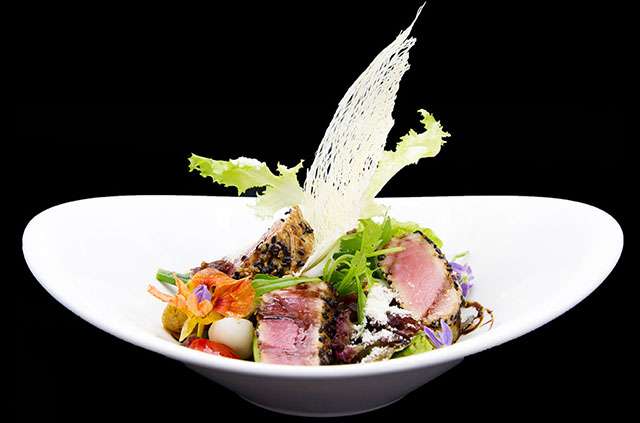
A Seasonal Recipe from Duong Restaurant Saigon’s Kitchen
Seasonality in Ho Chi Minh City is shaped less by four dramatic seasons than by changes in rainfall, temperature, and market supply. During the cooler, drier months, fresh herbs, crisp vegetables, aromatic roots, and quality beef come together beautifully in a light dish with plenty of texture.
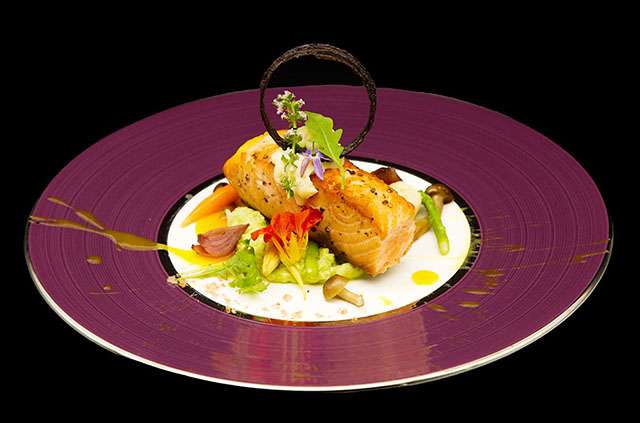
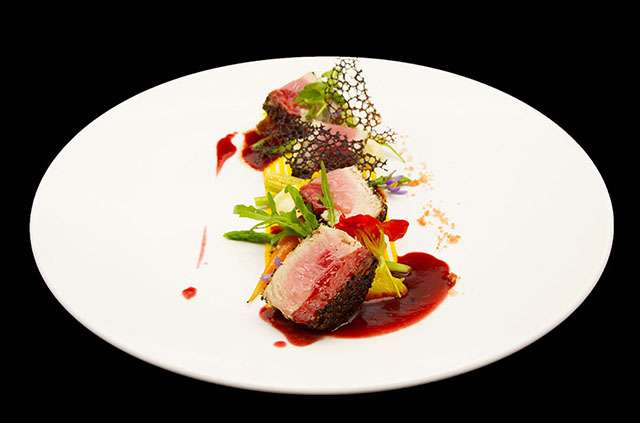
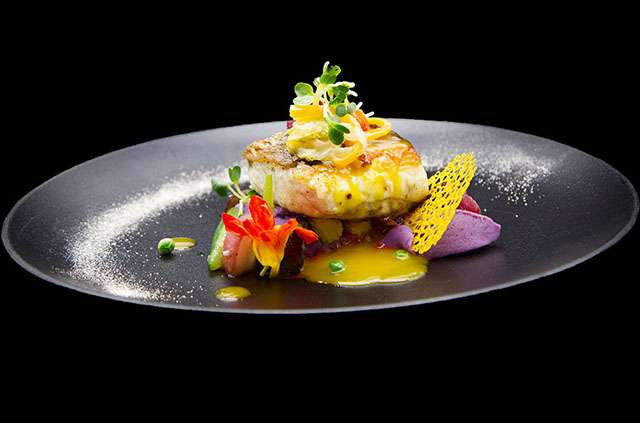
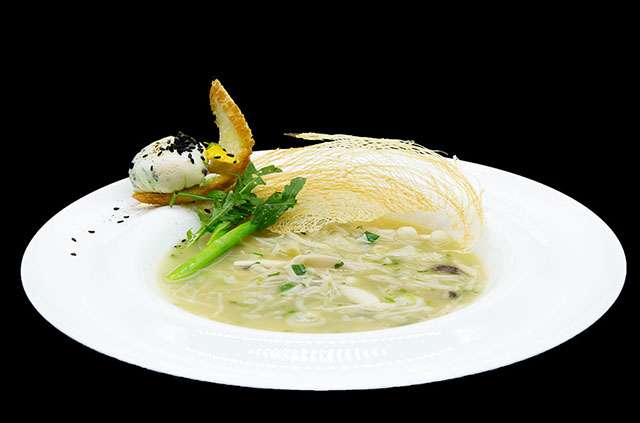
This chef-inspired recipe brings that balance into a home kitchen. It combines tender beef, rice noodles, fragrant herbs, roasted mushrooms, and a bright Vietnamese dipping sauce, with a subtle French influence from a shallot vinaigrette. The result is elegant enough for a dinner party while remaining connected to everyday Saigon flavors.
At Duong Restaurant Saigon, the goal is to highlight Vietnamese ingredients through careful preparation and polished presentation. This seasonal beef noodle roll recipe follows the same spirit, offering a practical way to experience a refined District 1 dining style at home.
Choosing the season’s best ingredients
For the freshest flavor, visit a local market early in the day and choose firm herbs, crisp lettuce, and mushrooms with clean, dry surfaces. Beef tenderloin or a well-trimmed strip steak works best because it cooks quickly and can be sliced thinly without becoming tough.
Rice vermicelli creates a delicate base, while cucumber, carrot, mint, Thai basil, and perilla bring coolness and fragrance. During the rainy season, mushrooms are especially appealing because their earthy flavor adds depth to the dish. In drier weather, extra herbs and citrus help keep the plate bright.
The dish is also a useful guide to the city’s wider food culture. Travelers looking for more local dishes can explore what to eat in Ho Chi Minh before planning a meal around this recipe.
Preparing the beef and mushroom filling
For four servings, prepare 450 grams of beef, 120 grams of rice vermicelli, 150 grams of shiitake or oyster mushrooms, one carrot, one cucumber, a small lettuce, fresh mint, Thai basil, and rice paper wrappers. You will also need two garlic cloves, one stalk of lemongrass, one tablespoon of fish sauce, one teaspoon of soy sauce, one teaspoon of sugar, half a teaspoon of black pepper, and one tablespoon of neutral oil.
Slice the beef thinly across the grain. Mix it with finely minced lemongrass, garlic, fish sauce, soy sauce, sugar, pepper, and oil, then leave it to rest for 20 to 30 minutes. This short marinade seasons the meat without overpowering its natural flavor.
Clean and slice the mushrooms. Sauté them over medium-high heat until lightly browned, then set them aside. Cook the beef in a very hot pan in small batches for about one minute per side. The edges should caramelize while the center remains tender. Allow the beef to rest briefly before cutting it into narrow strips.
Building a balanced Vietnamese plate
The sauce provides the central harmony of salty, sweet, sour, and aromatic flavors. Stir together three tablespoons of fish sauce, three tablespoons of warm water, two tablespoons of lime juice, one tablespoon of sugar, one minced garlic clove, and a little sliced chili. Taste and adjust gradually; the sauce should be vivid but not harsh.
For a gentle French-inspired accent, whisk one teaspoon of Dijon mustard with one tablespoon of lime juice, two tablespoons of extra-virgin olive oil, finely chopped shallot, and a pinch of black pepper. Use this sparingly over the salad elements. Its acidity complements the Vietnamese dipping sauce without competing with it.
| Element |
Vietnamese character |
French-inspired touch |
Purpose |
| Beef marinade |
Fish sauce, lemongrass, garlic |
Black pepper and careful searing |
Savory depth and tenderness |
| Noodle base |
Rice vermicelli and herbs |
Light shallot dressing |
Freshness with gentle richness |
| Mushroom component |
Sautéed local mushrooms |
Browning technique |
Earthy flavor and texture |
| Finishing sauce |
Lime, chili, garlic, sugar |
Dijon and olive oil option |
Brightness and balance |
| Garnish |
Mint, basil, carrot, cucumber |
Fine slicing and plating |
Fragrance and visual contrast |
Rolling and plating the dish
Soften one rice paper wrapper at a time in lukewarm water for five to eight seconds. Lay it flat on a clean board and arrange a small amount of lettuce, noodles, herbs, carrot, cucumber, mushrooms, and beef slightly below the center. Keep the filling compact; overstuffed rolls are difficult to seal and tend to split.
Fold the bottom edge over the filling, tuck in both sides, and roll firmly toward the top. The wrapper will continue to soften as it rests. Serve the rolls whole for a family-style presentation, or slice them on a sharp diagonal and arrange them around a shallow pool of dipping sauce.
For a fine-dining finish, place the rolls in a single line with herbs between each piece. Add a few drops of the shallot vinaigrette to the vegetables rather than pouring it over the rice paper. This preserves the wrapper’s texture and gives each bite a clear progression of flavors.
Seasonal adjustments for a Saigon kitchen
The recipe is flexible enough to reflect market conditions. In the cooler dry season, add green mango, pomelo segments, or extra cucumber for a crisp, refreshing accent. When the weather is wet and humid, use more mushrooms, warm herbs such as Vietnamese coriander, and a slightly stronger lime-based sauce.
Beef can be replaced with seared tuna, prawns, chicken, or grilled tofu. The essential structure remains the same: a seasoned protein, a fresh vegetable element, soft rice noodles, aromatic herbs, and a sauce that ties everything together. This makes the recipe suitable for different dietary preferences without losing its Vietnamese identity.
Portion size also matters. Two or three rolls per person make a graceful starter, while four or five with additional herbs and noodles can serve as a complete light meal. Pair the dish with chilled jasmine tea, a crisp white wine, or a fresh lime soda.
Serving the recipe with a District 1 mindset
A meal at a chef-led restaurant is shaped by more than a single plate. The order of flavors, the pace of service, the atmosphere, and the setting all influence how the food is remembered. This recipe works in the same way when served gradually, with the sauce, herbs, and fillings arranged so diners can build each bite.
The location also adds context. Duong Restaurant Saigon sits on Dong Du Street, close to many of the city’s landmarks, cafés, and evening food destinations. A District 1 food tour can provide inspiration for adapting market ingredients and discovering how local dishes change from one neighborhood to the next.
For a polished home service, chill the vegetables before plating, keep the beef warm but not hot, and bring the dipping sauce to the table in individual bowls. These small details make the meal feel composed without making it formal.
Practical details for a polished result
Use these final recommendations to preserve texture and balance:
- Cook rice vermicelli until just tender, then rinse it under cool water and drain thoroughly.
- Avoid soaking several rice paper wrappers together, since they will stick and become difficult to roll.
- Slice beef across the grain and cook it quickly over high heat.
- Taste the dipping sauce after it rests for five minutes, when the garlic and chili become more pronounced.
- Serve the rolls soon after assembly so the wrappers remain soft but resilient.
Seasonal cooking is at its best when it leaves room for freshness, precision, and personal style. To experience Vietnamese and French-inspired cuisine in a cozy fine-dining setting, reserve a table at Duong Restaurant Saigon on Dong Du Street and discover how the kitchen transforms local ingredients into an expressive Saigon meal.