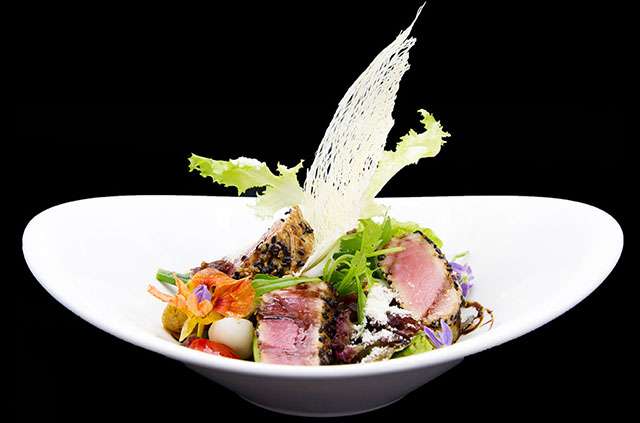
A Step-by-Step Guide to Making Duong Restaurant Saigon’s Salads
Vietnamese salads are built around contrast: crisp vegetables, fragrant herbs, savory toppings, bright dressing, and a gentle balance of sweet, sour, salty, and spicy flavors. At Duong Restaurant Saigon, this balance appears in elegant dishes that bring local ingredients into a refined dining setting.
Making a similar salad at home is less about following a rigid formula and more about preparing each component carefully. Fresh produce, properly toasted ingredients, and a well-balanced dressing can turn a simple bowl into a satisfying Vietnamese-inspired course.
This guide explains how to recreate the character of a chef-led salad using ingredients that are accessible in most supermarkets. For more information about the restaurant’s menu, atmosphere, and reservations, visit Duong Restaurant Saigon.
Choose A Fresh, Balanced Ingredient Base
Start with vegetables that provide different textures. Shredded green cabbage creates a firm, juicy foundation, while carrot adds color and natural sweetness. Cucumber contributes freshness, and bean sprouts bring a delicate crunch. You can also include thinly sliced green papaya, lotus root, or bell pepper for a more distinctive Vietnamese profile.
Fresh herbs are essential rather than decorative. Mint gives a cooling aroma, Thai basil adds spice and anise-like fragrance, and cilantro brings a bright, citrusy note. Wash the herbs thoroughly, dry them well, and tear larger leaves by hand shortly before serving so they retain their flavor.
Prepare The Protein With Care
A salad can be served as a light starter or developed into a complete meal with grilled chicken, seared tuna, shrimp, beef, or thinly sliced rice noodle beef rolls. Choose a protein with a clean flavor that will complement the dressing instead of overpowering it.
For chicken or beef, use a simple marinade of fish sauce, garlic, sugar, black pepper, and a little lime juice. Marinate for 20 to 30 minutes, then grill or sear until lightly caramelized. Shrimp should be cooked just until pink and firm. If using tuna, keep the center rare and slice it neatly after resting.
Build The Vietnamese-Style Dressing
The dressing is the element that brings the salad together. A classic nuoc cham-inspired mixture combines fish sauce, lime juice, sugar, water, garlic, and chili. Begin with equal parts lime juice and water, then adjust the fish sauce and sugar gradually to suit the other ingredients.
Dissolve the sugar completely before adding minced garlic and chili. This creates a smoother dressing and prevents crystals from settling at the bottom of the bowl. Taste for balance: lime should provide lift, fish sauce should add depth, sugar should soften the acidity, and chili should remain present without dominating.
| Component |
Main Purpose |
Preparation Tip |
| Cabbage or green papaya |
Crisp foundation |
Slice very thinly |
| Carrot and cucumber |
Sweetness and moisture |
Use matchsticks for even texture |
| Mint, basil, and cilantro |
Fresh aroma |
Add shortly before serving |
| Grilled meat or seafood |
Savory substance |
Rest before slicing |
| Roasted peanuts or sesame |
Nutty crunch |
Add at the end |
| Lime-fish sauce dressing |
Flavor balance |
Toss in small amounts |
Create Texture With Garnishes
Roasted peanuts are a classic finishing ingredient. Toast them in a dry pan over medium heat until fragrant, cool them completely, and crush them into uneven pieces. A little variation in size makes each bite more interesting. Fried shallots, toasted sesame seeds, or crispy rice crackers can provide additional texture.
Avoid adding every garnish at once. The best salads have a clear flavor structure, so choose one primary crunchy topping and one aromatic finish. A few thin slices of red chili can add color, while fried garlic can provide a deeper savory note.
Assemble The Salad Step By Step
Place the shredded vegetables in a large mixing bowl and add the herbs. Pour in only about half of the dressing at first. Toss gently with clean hands or large spoons, lifting the ingredients from the bottom rather than pressing them together. This keeps the vegetables crisp and distributes the dressing evenly.
Add the sliced protein and taste before using the remaining dressing. The final amount depends on how much moisture the vegetables release. Finish with peanuts, fried shallots, and a few herb leaves. Serve immediately in chilled bowls or on small plates for a more polished presentation.
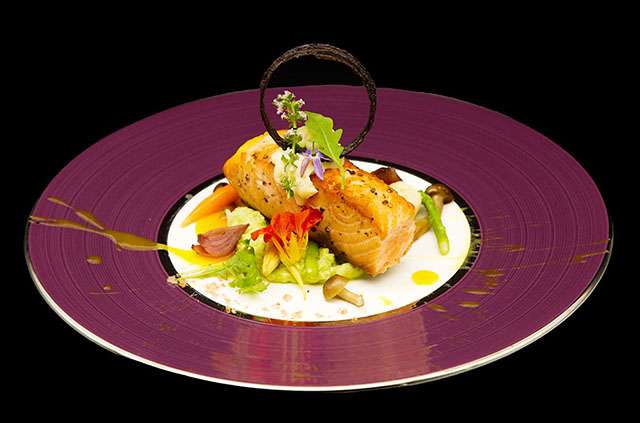
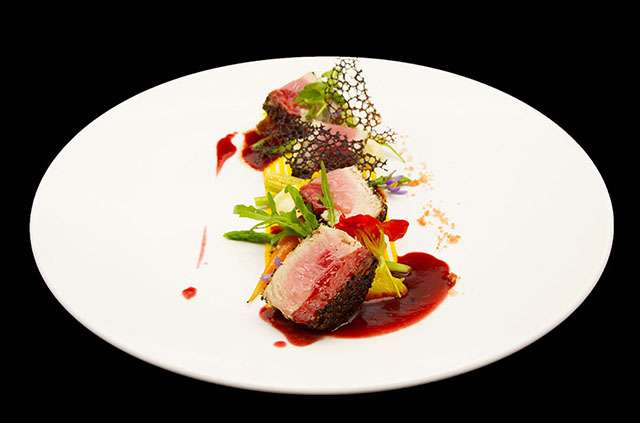
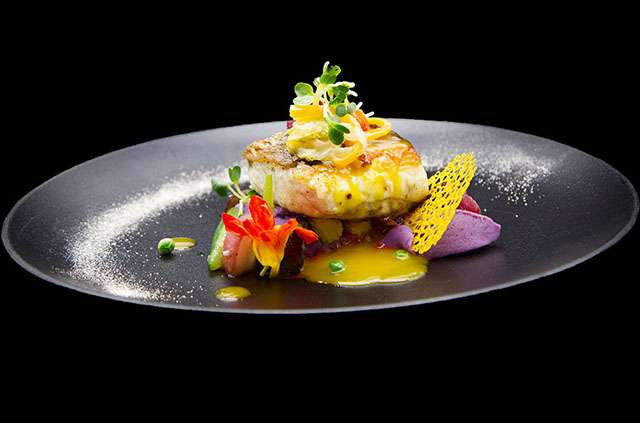
For an especially refined result, arrange the vegetables loosely instead of compressing them. Place the protein across the top, drizzle the dressing around the salad, and add garnishes at the last moment. This style reflects the careful plating associated with Vietnamese and French-inspired dining.
Adjust The Recipe For Different Menus
A seafood version works well with poached shrimp, seared tuna, squid, or crab. Pair it with cucumber, green mango, herbs, and a sharper lime dressing. For a vegetarian variation, replace fish sauce with soy sauce or a mushroom-based seasoning and add grilled tofu, roasted mushrooms, or lotus root.
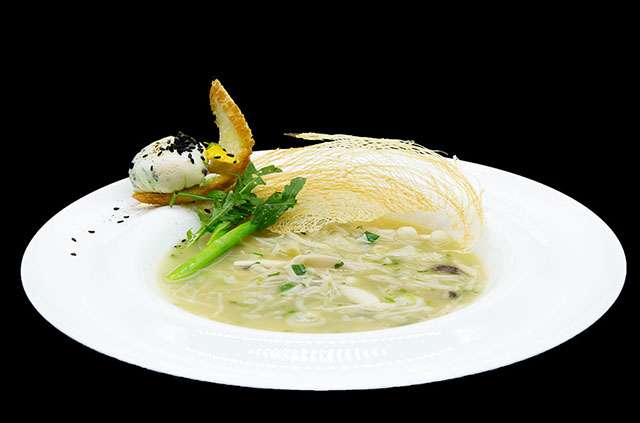
A beef salad benefits from stronger aromatics such as lemongrass, garlic, and shallots. Chicken pairs naturally with cabbage, carrot, and mint. When planning a full meal, serve the salad before richer dishes such as noodles, grilled seafood, or a creamy mushroom soup so its acidity can refresh the palate.
Travelers interested in matching Vietnamese dishes with the city’s food culture can also explore these Ho Chi Minh City dining tips, which provide useful context for local flavors and dining customs.
Practical Tips For A Restaurant-Style Finish
Small details make a noticeable difference when preparing a fresh salad at home:
- Dry vegetables and herbs thoroughly so the dressing does not become diluted.
- Slice ingredients into similar shapes for a balanced bite.
- Dress the salad shortly before serving to preserve its crunch.
- Taste the dressing with a piece of cabbage, not by itself, before making final adjustments.
- Keep garnishes separate until plating so they remain crisp.
Seasonal produce can also improve the final dish. In warm weather, extra herbs and cucumber create a lighter effect, while green mango or papaya adds firmness and acidity. During cooler months, grilled mushrooms or warm sliced beef can make the salad feel more substantial without losing its freshness.
Enjoy The Salad As Part Of The Experience
A carefully made Vietnamese salad is more than a mixture of raw vegetables. It is a composed dish in which temperature, color, aroma, and texture work together. Preparing each element separately gives you control over the final balance and allows the ingredients to remain distinct.
The approach is flexible enough for a casual lunch and polished enough for a dinner inspired by Duong Restaurant Saigon. After visiting nearby landmarks such as the Jade Emperor Pagoda, make time for a relaxed meal in District 1 and experience how Vietnamese ingredients can be presented with French-influenced elegance.
For an expertly prepared version of these flavors, reserve a table at Duong Restaurant Saigon and discover the restaurant’s chef-led menu, welcoming atmosphere, and contemporary take on Vietnamese dining.