Cooking at Home: Duong Restaurant Saigon’s Salad Dressing
A memorable salad dressing can turn familiar vegetables into a dish with the balance and character of Vietnamese cuisine. At Duong Restaurant Saigon, that balance comes from combining fresh herbs, bright acidity, gentle sweetness, and savory depth rather than overwhelming the ingredients with a heavy sauce.
The recipe below is a home-friendly interpretation inspired by the restaurant’s Vietnamese-French style. It is designed for crisp greens, herbs, cucumber, carrot, seafood, grilled meat, or rice noodle beef rolls. The goal is a dressing that feels polished but remains quick to prepare in an ordinary kitchen.
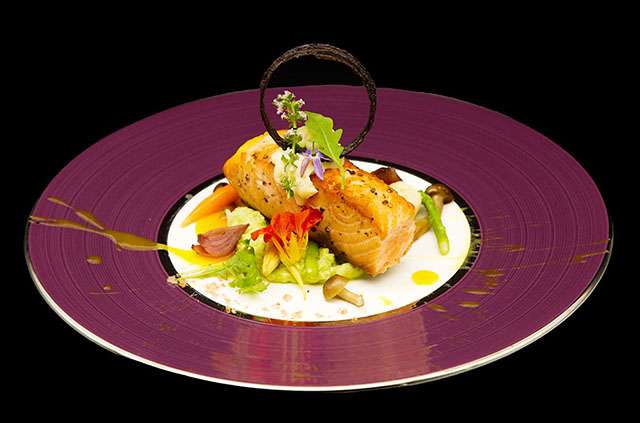
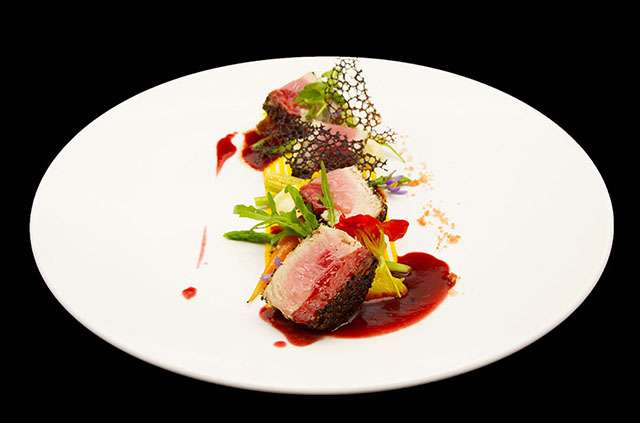
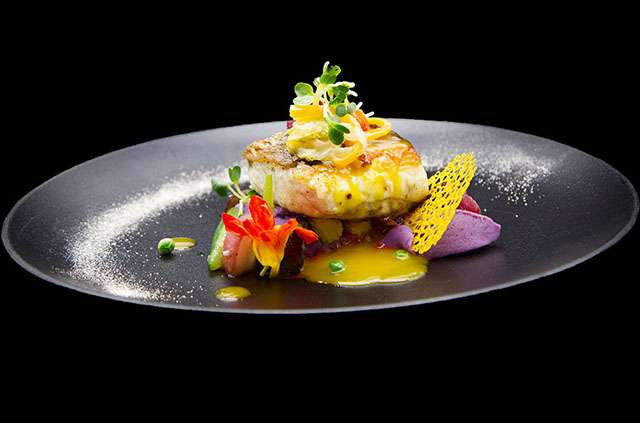
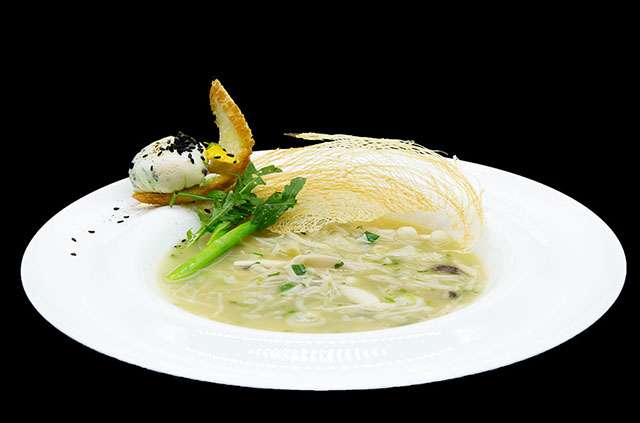
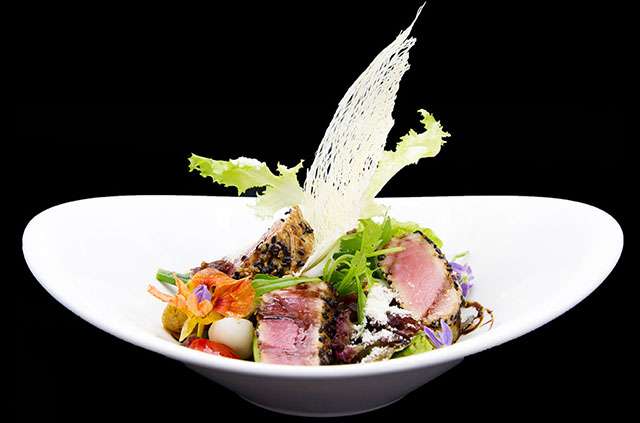
The restaurant’s gallery of dishes offers a visual sense of the fresh, colorful presentation that makes this style of salad especially appealing. At home, careful preparation and a few high-quality ingredients can create a similar feeling around the dining table.
The Balance Behind The Flavor
Vietnamese salad dressing often depends on a four-part harmony: sourness, sweetness, saltiness, and aromatic freshness. Lime juice supplies a clean acidity, fish sauce adds umami, sugar softens the sharp edges, and garlic and chili bring fragrance and heat. Water gives the mixture enough volume to coat delicate leaves without making it too intense.
For a French-inspired touch, use a mild neutral oil or a small amount of good-quality olive oil. Oil is not essential in every Vietnamese dressing, but a modest amount can give the sauce a rounder texture and help it cling to lettuce, herbs, and thinly sliced vegetables.
Ingredients For A Restaurant-Style Dressing
This quantity makes enough dressing for four side salads or two generous main-course salads:
- 3 tablespoons fresh lime juice
- 2 tablespoons fish sauce
- 2 tablespoons warm water
- 1½ tablespoons palm sugar or light brown sugar
- 1 small garlic clove, finely grated
- ½ red chili, thinly sliced
- 1 teaspoon rice vinegar
- 1 tablespoon neutral oil
- 1 tablespoon finely chopped cilantro or mint
Palm sugar gives the dressing a slightly caramel-like finish, while light brown sugar is an accessible substitute. Fish sauce brands vary in saltiness, so begin with the smaller amount if you are unfamiliar with the bottle. Freshly squeezed lime juice is preferable to bottled juice because its aroma is brighter and less harsh.
For the salad itself, combine crisp lettuce, cucumber, carrot ribbons, red cabbage, bean sprouts, and fresh herbs. Add grilled prawns, seared tuna, shredded chicken, or thinly sliced beef when you want a more substantial meal. Toasted peanuts, fried shallots, or sesame seeds provide a satisfying contrast in texture.
| Ingredient |
Purpose |
Easy Adjustment |
| Lime juice |
Bright acidity |
Use rice vinegar for a softer tang |
| Fish sauce |
Salty umami depth |
Add gradually to control saltiness |
| Palm or brown sugar |
Rounds out sharp flavors |
Increase slightly for sweeter vegetables |
| Garlic and chili |
Aroma and gentle heat |
Remove seeds for a milder dressing |
| Neutral oil |
Smoothness and cling |
Omit for a lighter, sharper sauce |
| Fresh herbs |
Lift and freshness |
Use cilantro, mint, or Thai basil |
Mixing And Adjusting The Sauce
Place the warm water and sugar in a small bowl, stirring until the crystals dissolve. Add lime juice, rice vinegar, fish sauce, garlic, chili, and oil. Whisk until the liquid looks evenly blended, then fold in the chopped herbs. Let the dressing rest for five minutes so the garlic and chili can release their flavor.
Taste it before dressing the salad. It should seem slightly stronger than the finished dish because lettuce and raw vegetables dilute the sauce. If it is too sharp, add a little water or sugar. If it tastes flat, add a few drops of lime juice or fish sauce. When the dressing is too salty, increase the lime juice and water rather than adding more sugar alone.
Chef-led cooking often depends on this kind of adjustment rather than strict measurements. Duong’s culinary philosophy, described in this chef interview, emphasizes the relationship between ingredients, technique, and Vietnamese culinary identity. That approach is useful at home: taste repeatedly and let the produce guide the final seasoning.
Building A Fresh Vietnamese Salad
Wash and dry the vegetables thoroughly before assembling the salad. Excess water will thin the dressing and prevent it from coating the leaves. A salad spinner is helpful, but patting the ingredients gently with a clean towel also works. Slice carrots, cucumber, and cabbage thinly so every bite includes several textures.
Keep delicate herbs separate until the last moment. Add the lettuce, vegetables, herbs, and protein to a wide bowl, then pour over only two-thirds of the dressing. Toss gently with clean hands or salad spoons, taste, and add more sauce if needed. This gradual method prevents overdressing and keeps the vegetables crisp.
For a more refined presentation, arrange the ingredients in sections before serving, then drizzle the dressing around the bowl. This works particularly well with seared tuna, prawns, or rice noodle beef rolls. The contrast between colorful vegetables and a restrained sauce reflects the restaurant’s elegant Vietnamese-French sensibility.
Variations For Different Meals
A seafood version pairs well with prawns, crab, or grilled squid. Add extra lime and herbs for a lighter profile, and include cucumber or green mango for crunch. With seared tuna, reduce the chili slightly so the dressing supports the fish instead of covering its delicate flavor.
For a vegetarian version, replace fish sauce with light soy sauce and a small amount of mushroom seasoning. Mushroom soup, roasted mushrooms, or grilled tofu can supply savory depth, while fried shallots add richness. A few drops of sesame oil can work in this variation, but use it sparingly because its flavor is intense.
A French-leaning variation can include Dijon mustard and finely minced shallot. Stir ½ teaspoon of Dijon into the finished dressing, then add a little extra water if the consistency becomes too thick. This version suits leafy greens, roasted beetroot, or warm vegetables while retaining the lime and fish sauce foundation.
Recommendations For A Balanced Bowl
Use these practical guidelines when recreating the dressing and serving it with a full meal:
- Choose fresh lime, crisp vegetables, and herbs with strong natural aroma.
- Add fish sauce gradually because brands differ in salt and fermentation intensity.
- Dress the salad immediately before serving to preserve crunch.
- Pair rich proteins with extra herbs and acidity for a cleaner finish.
- Chill the prepared dressing for up to three days, then stir it before use.
The dressing can be prepared ahead, but keep the herbs separate if you want the brightest flavor. Store the sauce in a sealed glass jar in the refrigerator and allow it to sit briefly at room temperature before tossing. If the sugar settles, shake the jar vigorously rather than reheating it.
A Vietnamese-inspired salad makes an especially pleasant first course before noodle dishes, seafood, or grilled meats. It can also stand alone with rice noodles and sliced protein for a quick weekday dinner that feels more considered than a standard bowl of greens.
When visiting Ho Chi Minh City, a meal at Duong Restaurant Saigon can extend this home cooking project into a wider culinary experience. After exploring the flavors at home, enjoy a fine-dining visit on Dong Du Street and combine it with nearby landmarks such as Notre-Dame Cathedral. Prepare the dressing, gather fresh ingredients, and make the next salad a small celebration of Saigon-inspired cooking.