A seven-course journey at Duong Restaurant Saigon
Tucked along Dong Du Street in District 1, Duong Restaurant Saigon offers a Vietnamese and French fusion menu that rewards travellers who slow down and commit to the table. For Australians mapping out a trip to Ho Chi Minh City, a multi-course tasting menu is one of the most rewarding ways to spend an evening, especially when the chef has curated every dish around seasonality, balance, and storytelling.
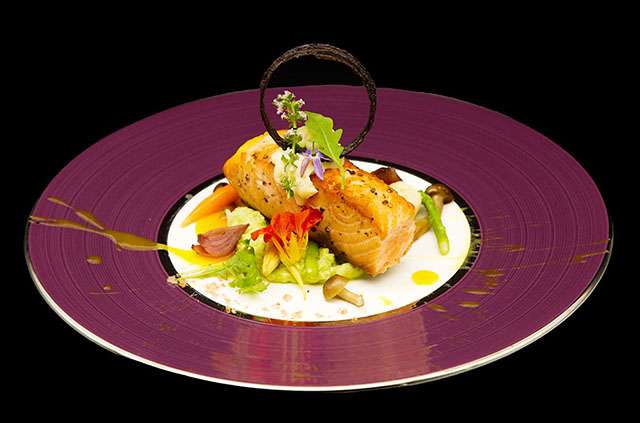
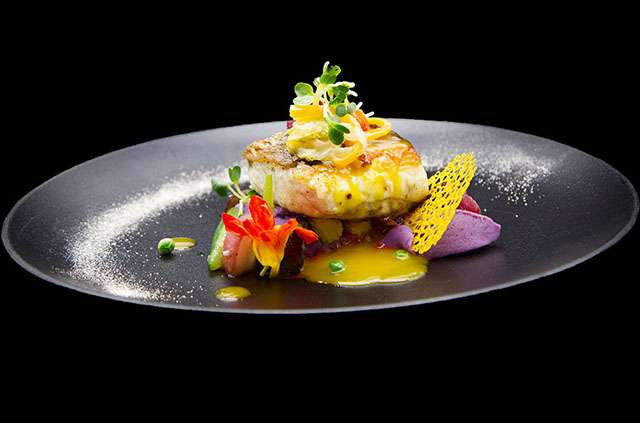
The seven-course dinner unfolds like a quiet conversation between Vietnamese produce and French technique, with each plate building on the last. Diners typically settle in for around two and a half hours, leaving plenty of time afterwards for a stroll along the Saigon River or a nightcap at a rooftop bar nearby. It is the kind of meal that turns a holiday into something worth telling people about back home.
The chef's philosophy behind the menu
Head chef Duong has built his reputation on blending the brightness of Vietnamese herbs with the precision of French training, and the seven-course format is his way of showcasing that dialogue. Rather than overwhelming guests with portion after portion, the menu is paced so that appetite, curiosity, and conversation all stay alive. Australians who have eaten their way through Europe appreciate this restraint, having grown weary of tasting menus that pile on richness without respite.
Each course arrives with a brief explanation from the service team, covering sourcing, technique, and the cultural references woven into the plate. Diners who want to explore the broader beverage programme before arriving can browse the drink list to see how the sommelier pairs tropical fruits and aromatic herbs with Old World wines.
Finding the restaurant on Dong Du Street
Dong Du Street sits just off the bustle of Dong Khoi, within easy walking distance of the Saigon Notre-Dame Basilica and the Reunification Palace. Australians used to weaving through Melbourne's laneways will find the scale familiar, though Saigon's motorbike traffic adds a layer of theatre that takes some getting used to. The restaurant's entrance is understated, marked by warm lighting and the gentle hum of conversation from inside.
Reservations are recommended, particularly on weekends when both tourists and Saigon-based diners fill the room. Those planning their evening from Australia can check the Duong Restaurant Saigon site for current opening hours, sample menus, and contact details. Booking ahead also allows the kitchen to accommodate dietary requirements, which is helpful for vegetarians, pescatarians, or anyone with low-FODMAP needs.
The opening courses and appetisers
The first plate usually arrives within fifteen minutes of seating, often a delicate rice noodle beef roll served with a herb-forward dipping sauce. It sets the tone immediately: light, fragrant, and unmistakably Vietnamese, yet plated with the elegance expected of a French-trained kitchen. Aussie diners who love a good bar snack will recognise the same logic of small, punchy flavours designed to wake the palate.
From there, the second course tends to lean on local seafood, sometimes prawn, sometimes squid, finished with a citrus dressing that cuts through the richness of later dishes. Guests are encouraged to take small bites and let the ingredients speak for themselves, rather than rushing through the sequence. A typical opening progression looks like:
- Rice noodle beef roll with pickled carrot and mint
- Lightly cured squid with calamansi and pepperberry
- Scallop crudo with green mango and nuoc cham
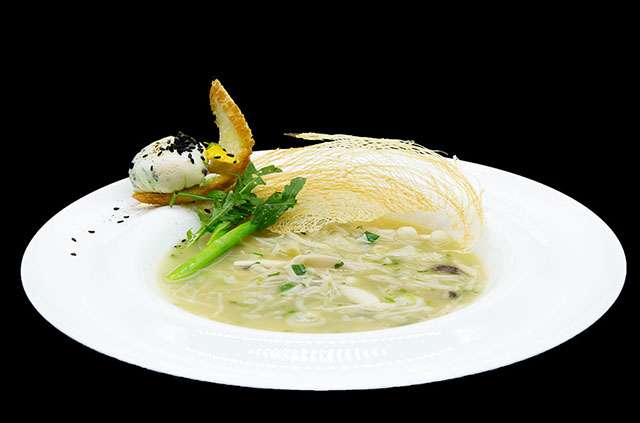
- Tasting spoon of mushroom soup as a teaser
Soups, salads, and middle-plate pacing
By the third course, the menu transitions into a soup or composed salad that draws on French tradition while staying rooted in Vietnamese produce. A mushroom soup, for instance, might use shiitake and straw mushrooms from the highlands, finished with a swirl of truffle oil that nods to Parisian bistros. Salads often incorporate lotus root, green mango, or pickled carrot, dressed with nuoc cham that ties everything back to the streets outside.
This middle stretch of the meal is where the fusion becomes most playful, and it tends to resonate with Australian palates accustomed to bright, herb-driven cooking. The kitchen deliberately keeps portions modest, recognising that pacing matters more than abundance once diners reach the heart of the menu.
The seafood centrepiece and mains
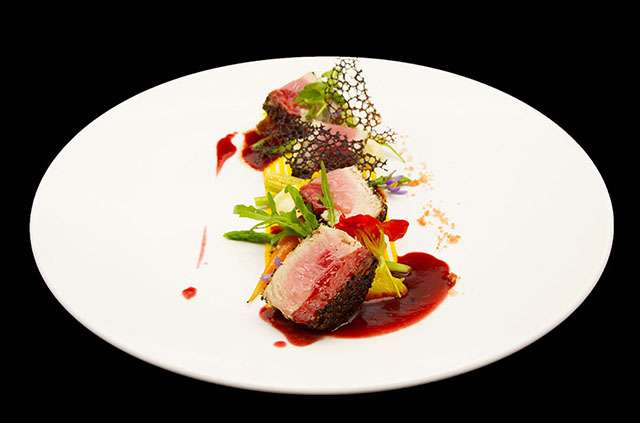
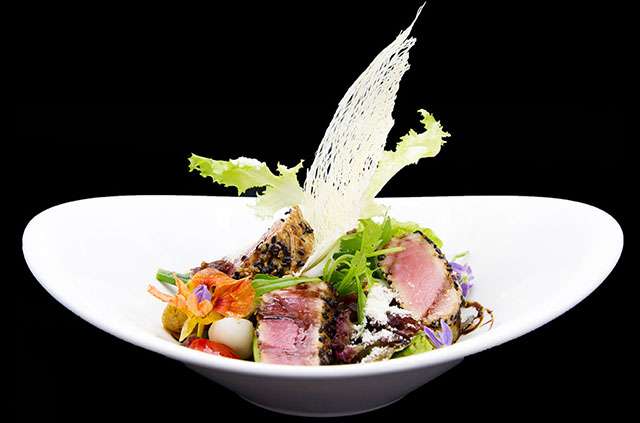
Seafood is where the kitchen truly shines, and the tuna steak course is often cited by return guests as the highlight of the evening. The fish is typically seared rare, sliced against the grain, and dressed with a sesame-soy reduction or a peppercorn cream, depending on the season. Australians who order tuna at Circular Quay or Cottesloe will recognise the quality on offer here, often at a fraction of what they would pay for the same cut at home.
The wine pairing for this course leans toward crisp whites or light reds, with the sommelier frequently suggesting a Grüner Veltliner or a Pinot Noir from cooler climates. The penultimate main is usually a heartier plate, often slow-braised beef cheek or roasted duck that draws on both pho traditions and French confit techniques. Mains worth noting on a recent menu include:
- Seared tuna steak with sesame and peppercorn cream
- Braised beef cheek with star anise and pickled shallot
- Roasted duck leg with five-spice jus
- Wild mushroom risotto with parmesan and truffle oil
Dessert, coffee, and the evening wind-down
Dessert arrives as a quiet finale, typically a pandan panna cotta, a passionfruit tart, or a chocolate and chilli creation that nods to Vietnamese coffee culture. For guests who want to extend the evening, the team can suggest a digestif or a Vietnamese coffee prepared tableside, which offers a fitting end for anyone missing their flat white from back home.
By this point, conversation tends to deepen as glasses are refilled and the room settles into a relaxed rhythm. Travellers curious about where locals spend their free time, from pokies rooms to larger entertainment venues, can find a useful casino guide that breaks down the city's nightlife scene well beyond the restaurant district.
Practical tips for Australian travellers
Dress code is smart casual, so leave the thongs at the hotel and reach for a linen shirt or a simple dress. Air conditioning runs cool inside, which is welcome relief after walking through the humidity outside, though a light layer is wise. Tipping is appreciated but not mandatory; rounding up the bill or leaving around 10 percent is a common gesture that locals recognise. Payment by card is widely accepted, though carrying some Vietnamese dong for taxis and small purchases around District 1 remains a smart move.
Most importantly, arrive hungry and unhurried. The seven-course format rewards patience, conversation, and a willingness to try ingredients that might be unfamiliar back home. Australians planning a visit between December and February should book early, as that window overlaps with both the Australian summer break and several local festivals.
The restaurant accepts bookings through its main page, and the team is happy to answer questions about dietary needs, group sizes, and special occasions. Travellers planning a honeymoon, an anniversary, or a long-overdue return to Vietnam will find that a tasting menu here offers far more than a meal. It offers a structured, beautifully paced window into how two of the world's great culinary traditions meet on a single plate, in a single evening, on a single street in the heart of Ho Chi Minh City.