Duong Restaurant Saigon’s Gluten-Free Fusion Approach
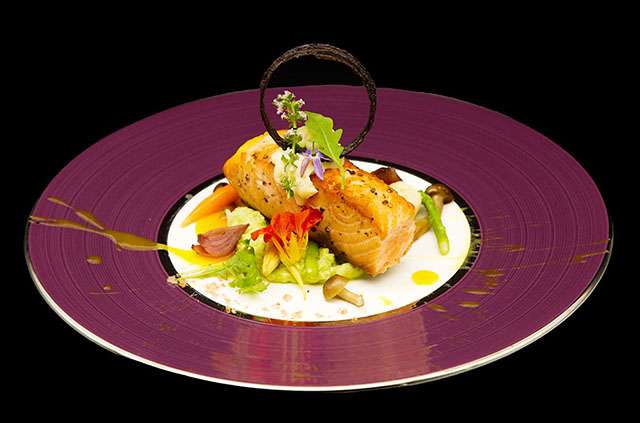
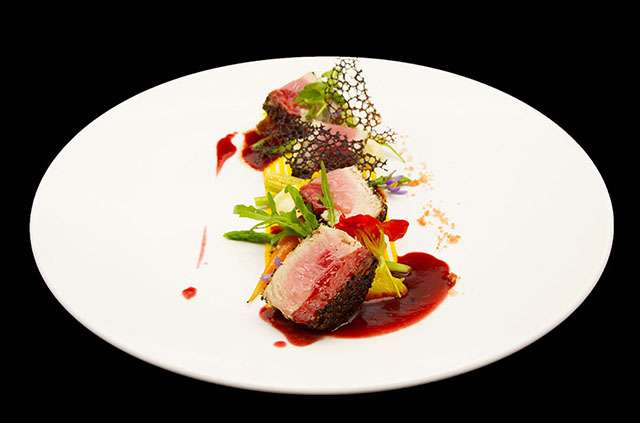
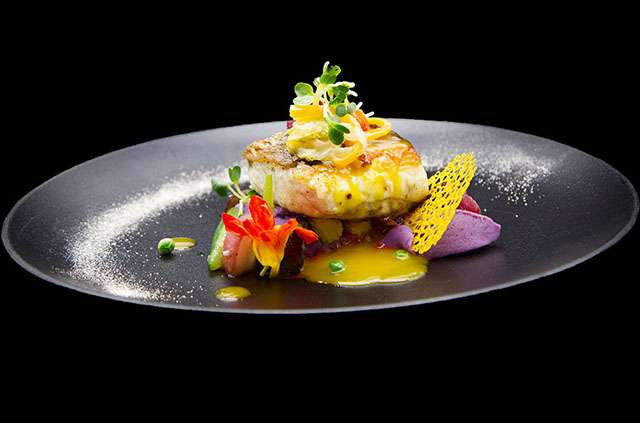
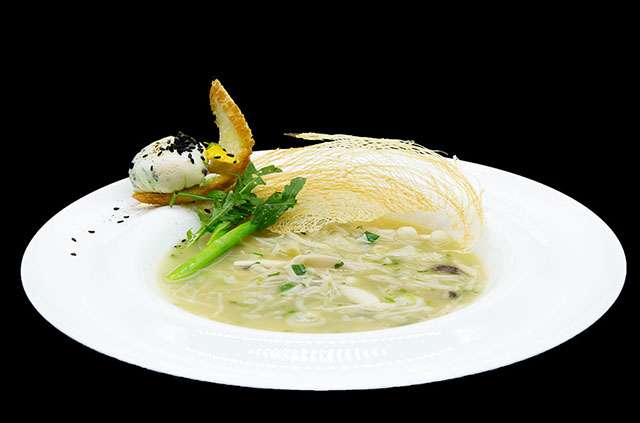
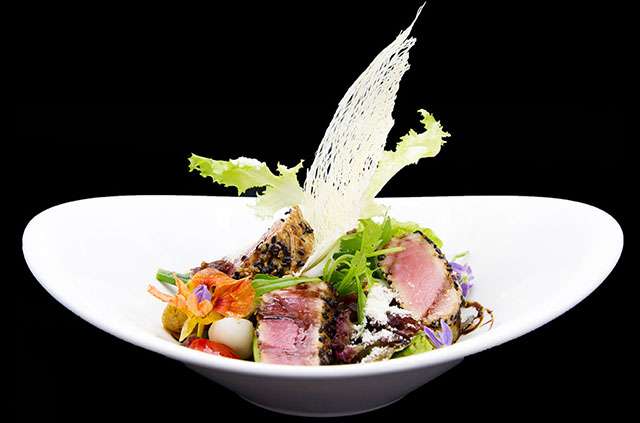
At Duong Restaurant Saigon, Vietnamese ingredients meet French culinary technique in a setting designed for relaxed fine dining. Located on Dong Du Street in District 1, the restaurant presents familiar local flavors with a refined touch, from seafood and salads to tuna steak, mushroom soup, and rice noodle beef rolls.
For guests avoiding wheat or gluten, this style of cooking creates room for thoughtful choices. Rice, fresh herbs, vegetables, seafood, meat, and naturally gluten-free sauces can form the foundation of a satisfying meal. The key is careful communication, ingredient awareness, and preparation that respects dietary needs without losing the character of Vietnamese cuisine.
A Menu Shaped By Vietnamese Ingredients
Vietnamese cooking naturally offers many gluten-free building blocks. Rice noodles, steamed rice, leafy herbs, fresh vegetables, seafood, beef, and aromatic broths can provide texture and depth without relying on bread or wheat-based pasta. Duong Restaurant Saigon’s chef-led menu gives these ingredients an elegant presentation while keeping their freshness at the center.
The French influence appears through technique rather than a fixed formula. Precise cooking, composed plating, balanced reductions, and carefully selected garnishes can elevate simple ingredients into a polished dish. This creates flexibility for diners who need to avoid gluten while still looking for a memorable fusion experience.
Flavor Without Wheat
A gluten-free dish should offer more than the removal of one ingredient. It needs a complete balance of salt, acidity, sweetness, aroma, richness, and texture. Vietnamese herbs such as basil, coriander, mint, and perilla can add freshness, while chili, lime, ginger, lemongrass, and garlic build intensity without flour-based thickeners.
Rice noodles and steamed rice also give the kitchen versatile alternatives to wheat. Rice noodle beef rolls can be a particularly appealing choice when prepared with suitable fillings and sauces. Seafood, tuna, and vegetables can be grilled, seared, or arranged with a light dressing, allowing the main ingredient to remain prominent rather than being covered by a heavy coating.
Choosing Dishes With Care
Guests following a gluten-free diet should discuss ingredients with the restaurant team before ordering. Soy sauce, marinades, stock cubes, spice blends, fried toppings, and shared cooking surfaces can sometimes contain wheat even when the main ingredient appears naturally safe. A clear conversation helps the kitchen identify suitable adjustments.
The following guide highlights the types of dishes that may work well, while recognizing that recipes and preparation details should always be confirmed directly with staff.
| Menu direction |
Why it may suit gluten-free dining |
Details to confirm |
| Rice noodle beef rolls |
Rice noodles and fresh herbs offer a naturally wheat-free base |
Sauce ingredients, marinades, and garnish |
| Seafood preparations |
Fresh seafood can be served without breading or wheat-based coatings |
Stock, seasoning, and shared grill surfaces |
| Tuna steak |
A simply seared preparation can focus on the fish itself |
Marinade, finishing sauce, and cross-contact |
| Mushroom soup |
Mushrooms can provide a rich, savory foundation |
Thickener, broth ingredients, and croutons |
| Fresh salads |
Herbs and vegetables bring brightness and texture |
Dressing, soy-based ingredients, and toppings |
This approach makes gluten-free dining feel like an intentional culinary experience rather than a restricted version of the menu. Guests can focus on freshness, presentation, and the contrast between Vietnamese brightness and French-inspired refinement.
Communicating Dietary Needs
Clear communication is especially important when gluten intolerance or celiac disease is involved. Guests should explain whether they are avoiding gluten by preference, managing an intolerance, or requiring strict prevention of cross-contact. That distinction gives the team useful information about the level of care needed during preparation.
It is also helpful to mention specific ingredients that should be avoided, such as regular soy sauce, wheat noodles, bread crumbs, or flour-thickened sauces. The restaurant team can then discuss available dishes and possible modifications. For a private gathering, advance planning can make the experience smoother; guests arranging an occasion can review private event details before speaking with the restaurant.
A Refined Dining Experience In District 1
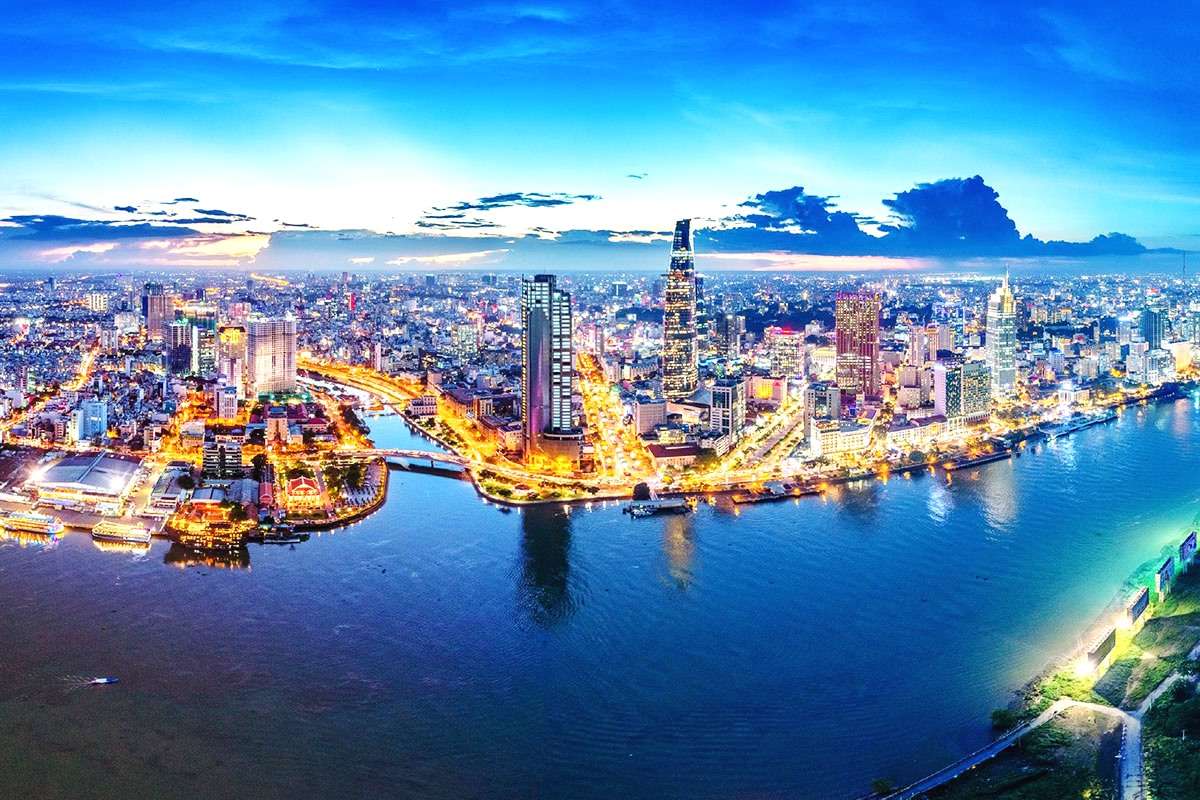
The restaurant’s cozy atmosphere suits several kinds of occasions, from an intimate dinner to a relaxed meal after exploring central Ho Chi Minh City. Its Dong Du Street location places diners close to major cultural and historic destinations, making it convenient to combine sightseeing with a chef-led meal.
A visit to the Central Post Office is an easy addition to a District 1 itinerary. Travelers can explore the building’s French colonial architecture and then continue toward the restaurant for Vietnamese-French cuisine. The city’s Central Post Office guide can help visitors understand the landmark before planning their route.
The setting also supports a slower style of dining. Instead of rushing through a heavily customized order, guests can ask about the day’s ingredients, discuss suitable sauces, and choose dishes that allow the kitchen’s technique to shine. This is particularly valuable for visitors seeking gluten-free options while discovering local flavors for the first time.
Practical Ordering Recommendations
A few simple habits can help diners enjoy the menu with greater confidence:
- Explain your gluten-free requirements before ordering, including whether cross-contact must be strictly avoided.
- Ask which sauces, marinades, broths, garnishes, and fried elements contain wheat.
- Favor naturally gluten-free foundations such as rice, rice noodles, fresh vegetables, seafood, and simply prepared meats.
- Confirm whether substitutions can be made without changing the balance of the dish.
- For groups or private events, share dietary requirements in advance so the menu can be planned carefully.
These steps support a collaborative dining experience. They also allow the kitchen to preserve the intended Vietnamese and French character of each plate instead of making last-minute changes that may limit flavor or presentation.
Make Your Meal Part Of The Saigon Experience
Duong Restaurant Saigon’s approach to gluten-free fusion dishes is grounded in fresh Vietnamese ingredients, precise preparation, and open communication. With thoughtful ordering, diners can enjoy rice-based specialties, seafood, salads, soups, and carefully prepared meats while experiencing the restaurant’s distinctive culinary style.
Reserve a table on Dong Du Street and speak with the team about your dietary needs before your visit. A well-planned meal can become a flavorful part of your Ho Chi Minh City itinerary, whether you are dining after sightseeing or gathering with friends and family.