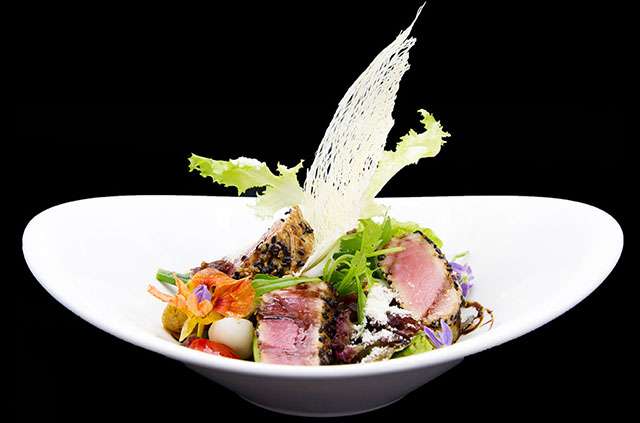
Duong Restaurant Saigon’s Approach to Marinating Beef for Maximum Tenderness
Tender beef begins long before it reaches the plate. At Duong Restaurant Saigon, the process is shaped by Vietnamese flavour traditions, French culinary technique and careful attention to texture. Marinating is not treated as a way to hide an inferior cut; it is used to season the meat evenly, support tenderness and build a balanced finish.
For Australian diners familiar with grass-fed beef in Melbourne, grain-fed cuts in Sydney or premium produce from Brisbane suppliers, the distinction is easy to appreciate. Beef can have excellent flavour yet still become firm if it is sliced incorrectly, over-marinated or cooked too aggressively.
Vietnamese cooking often relies on aromatic ingredients that give beef depth without overwhelming its natural character. Garlic, shallot, pepper, fish sauce, herbs and a little sweetness can create a savoury crust while keeping the centre juicy. French influence adds precision to the proportions, resting time and cooking temperature.
That balance suits Duong’s wider menu, where familiar ingredients are presented with a refined, contemporary touch. The result is beef that feels tender and expressive rather than soft from heavy chemical treatment or dominated by a single salty note.
Starting With The Right Cut And Slice
Tenderness is determined partly by the cut and partly by how the chef prepares it. Cuts with useful marbling can remain succulent during high-heat cooking, while leaner beef needs a shorter cooking time and a more measured marinade. For dishes such as rice noodle beef rolls, thin slices are especially important because the meat cooks quickly around the filling.
The direction of the cut matters as much as its thickness. Slicing across the muscle fibres shortens the strands that the diner has to chew. This technique is particularly valuable for Australian beef, which may be naturally robust in texture because of its breed, feeding conditions or leaner profile.
A chef-led kitchen also considers the final dish before choosing the marinade. Beef served with herbs, noodles and dipping sauce needs enough seasoning to remain distinct, but not so much that it competes with fresh mint, coriander or crisp vegetables. The marinade supports the complete composition.
Building Tenderness Without Losing Beef Flavour
A well-balanced Vietnamese beef marinade usually combines savoury, aromatic, sweet and lightly acidic elements. Fish sauce adds umami and salt, while garlic, shallot and black pepper create fragrance. A small amount of sugar encourages caramelisation during searing, giving the surface a glossy, toasted edge.
Acid requires restraint. Lime juice, rice vinegar or another acidic ingredient can brighten the flavour, but too much acidity for too long may make the exterior of the meat feel soft or uneven. Duong’s approach is best understood as controlled seasoning: the marinade should penetrate the thin slices without turning the beef into a sharply flavoured paste.
French technique contributes further refinement through measured ratios and careful timing. Instead of relying on one powerful tenderising ingredient, the kitchen can combine slicing, refrigeration, a short resting period and precise cooking. This preserves the beef’s savoury character while creating a more delicate mouthfeel.
Balancing Marinade Styles In The Kitchen
Different beef preparations call for different treatments. A grilled strip needs a marinade that can form a fragrant crust, while beef wrapped with noodles or herbs needs a lighter coating that will not make the dish greasy. The table below shows how those choices can vary.
| Beef preparation |
Marinade emphasis |
Tenderness support |
Best cooking approach |
| Thin beef rolls |
Garlic, shallot, fish sauce and gentle sweetness |
Fine slicing and a short rest |
Fast grilling or searing |
| Grilled beef slices |
Aromatics, pepper and caramelising sugar |
Marbling and cross-grain cutting |
High heat, brief cooking |
| Beef with fresh herbs |
Salt, umami and restrained acidity |
Even coating without excess liquid |
Quick pan sear |
| French-influenced beef dish |
Balanced seasoning, stock or wine notes |
Controlled resting and temperature |
Sear, then finish gently |
The purpose of this method is consistency. A busy fine-dining service must deliver the same tenderness across multiple tables, whether guests arrive early for a quiet dinner or during the evening rush. Refrigeration, portion control and timing therefore matter as much as the ingredients.
This attention also reflects Australian dining expectations. Under the Food Standards Code administered by Food Standards Australia New Zealand, potentially hazardous food is generally kept at 5°C or below, and professional kitchens must control handling temperatures carefully. For diners in Adelaide or Perth, that behind-the-scenes discipline is part of what makes a raw-to-cooked beef process trustworthy.
Using Heat To Finish The Tenderising Process
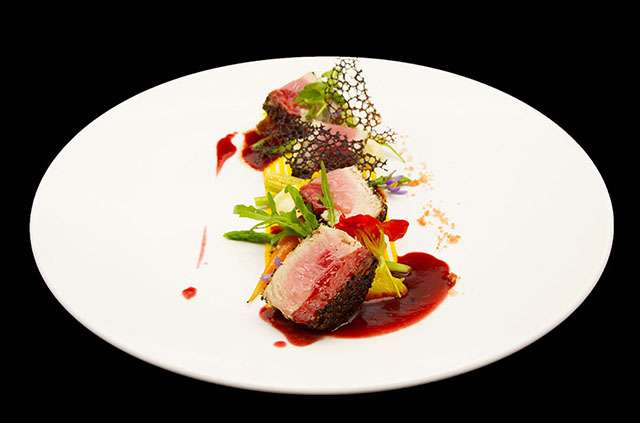
Marination can season and condition the surface, but cooking determines whether the beef remains succulent. Thin Vietnamese-style slices need only a short contact with intense heat. When they are left on the grill or in the pan too long, moisture is lost and the fibres tighten.
A hot cooking surface helps create a browned exterior before the centre overcooks. The sugar in the marinade supports caramelisation, while aromatics release their fragrance into the surrounding dish. The chef must watch for burning, especially when fish sauce and sweet ingredients are present.
This is where a polished restaurant differs from a casual home barbecue. Australian habits often involve cooking beef on a backyard grill, perhaps with a simple bottled marinade and a generous resting period. At Duong, the preparation is more tightly matched to the cut, portion size and plating style, allowing the beef to reach the table at its most appealing texture.
The finished meat should yield easily but still feel like beef. Tenderness is not the same as softness; it is the pleasant resistance of properly cooked fibres, supported by juicy seasoning and a clean finish.
Connecting Beef To The Saigon Dining Experience
Duong’s marinades make sense within the atmosphere of Ho Chi Minh City, where fresh herbs, noodles, seafood and grilled meats are often enjoyed together. The beef is designed to interact with the rest of the plate rather than stand apart as a heavy centrepiece. Aromatic vegetables bring freshness, while sauces add contrast and lingering savouriness.
That same principle appears across the restaurant’s seafood cooking, where ingredient quality and restrained seasoning are central to the experience. Diners interested in the kitchen’s broader ingredient philosophy can explore what makes the seafood at Duong distinctive before choosing a multi-course meal.
For Australian visitors, a dinner on Dong Du Street can also become part of a larger District 1 itinerary. After exploring cafés, markets or the city’s French-colonial landmarks, a carefully prepared beef dish offers a comfortable bridge between familiar Australian produce and Vietnamese culinary identity. It is a setting where fine dining feels connected to the city rather than separated from it.
The restaurant’s location also makes it practical for travellers planning a full day of sightseeing. Guests considering historic sites beyond the central district can read a Cu Chi Tunnels guide, then return to District 1 for a relaxed meal built around precise cooking and attentive service.
Why The Method Matters For Australian Diners
Australian guests often look for clear ingredient quality, reliable food handling and a dining experience that feels worth travelling for. Duong’s beef preparation addresses all three through careful sourcing, controlled marination and cooking that respects the meat’s structure. The result is approachable even for diners accustomed to a classic steakhouse.
It also offers a useful alternative to heavily seasoned barbecue beef. Vietnamese aromatics bring brightness, while French-inspired restraint keeps the dish elegant. Whether the meal follows a day in Ho Chi Minh City or forms the centrepiece of an evening in District 1, the tenderness comes from several small decisions working together.
Reserve a table at Duong Restaurant Saigon to experience chef-led Vietnamese and French fusion, from delicately prepared beef rolls to seafood, salads and other dishes shaped by the flavours of Saigon. Explore the menu, plan your visit and make dinner part of your Ho Chi Minh City itinerary.