Why Presentation Matters In Fusion Food At Duong Restaurant Saigon
At Duong Restaurant Saigon, the chef treats presentation as part of the recipe rather than decoration added at the end. A carefully arranged plate introduces the ingredients, hints at the flavours to come and gives guests a sense of the restaurant’s Vietnamese and French identity before the first bite.
Fusion cuisine depends on balance. Familiar Vietnamese ingredients may meet French techniques, modern plating or a more delicate sauce, so the appearance of each dish helps explain how those elements belong together. A rice noodle beef roll, seafood course or tuna steak can feel both recognisable and unexpected when its visual details are considered with care.
For Australian diners, this approach suits a growing interest in produce-led restaurants, elegant sharing meals and food that photographs naturally without losing its warmth. Whether the occasion is a Melbourne-style long lunch, a Sydney city dinner or a special evening during a first visit to Ho Chi Minh City, a well-presented dish adds meaning to the experience.
A Plate Is The First Point Of Conversation
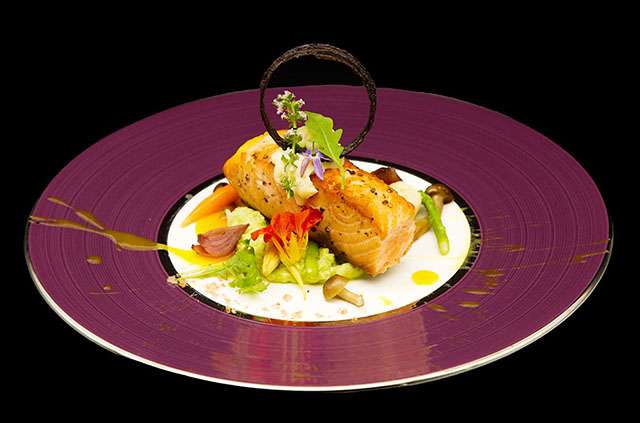
The chef’s perspective begins with a simple idea: diners form an impression before they taste anything. The shape of the plate, the position of the main ingredient, the gloss of a sauce and the contrast of fresh herbs all create an invitation. Good presentation should encourage discovery rather than disguise the food.
Vietnamese cuisine already offers a rich visual vocabulary. Green herbs, red chilli, golden fried elements, pale rice noodles and deep caramelised sauces naturally create contrast. French culinary influence brings another layer through clean composition, controlled portions and refined finishing. The result is a plate that feels polished while retaining the generous spirit of Vietnamese dining.
Balancing Vietnamese Character With French Precision
Fusion food works best when each tradition remains visible. The chef may use a French technique to refine a sauce or arrange a dish with greater precision, yet the essential character should still come from Vietnamese flavours, local ingredients and familiar combinations. Presentation makes that relationship easier to read.
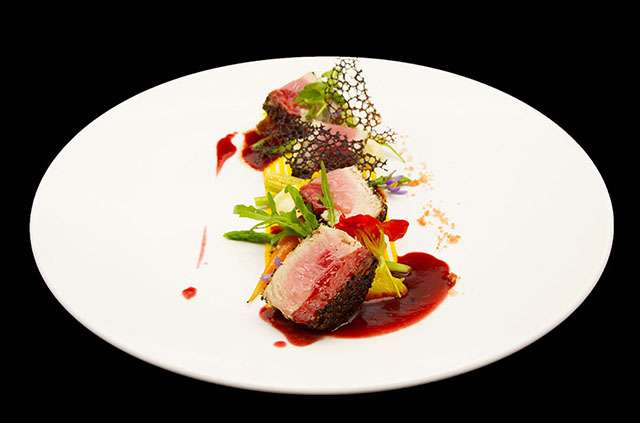
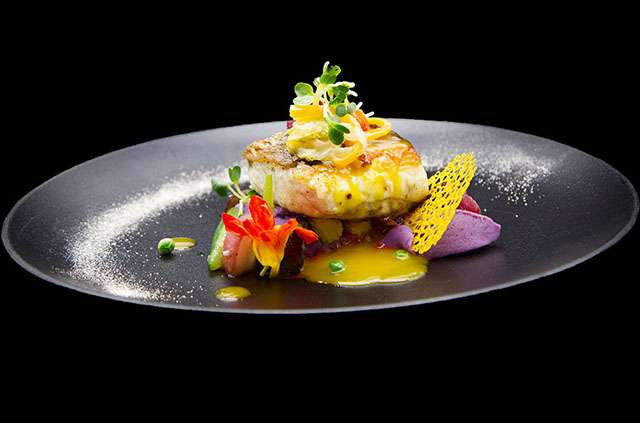
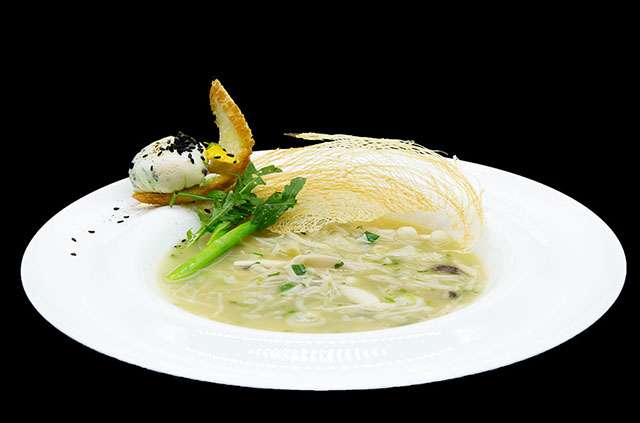
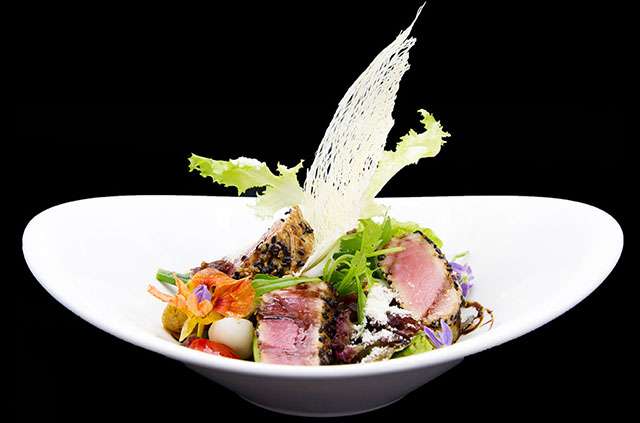
A mushroom soup, for example, can be served with a restrained garnish that emphasises its earthy aroma rather than overwhelming it. A tuna steak may gain visual energy from herbs, vegetables or a carefully placed dressing, while seafood can be framed with colour and negative space. The plate communicates restraint, but the flavour remains lively and distinctly Southeast Asian.
The same thinking applies to rice noodle beef rolls. Their rolled form already creates structure, while herbs and dipping elements can be positioned to show freshness and movement. The diner sees the components clearly, then brings them together according to taste.
Colour, Texture And The Australian Palate
Australian diners are familiar with menus that highlight seasonality, provenance and texture. In Brisbane, Sydney and Melbourne, restaurant guests often expect fresh seafood, crisp vegetables and thoughtful options for different dietary preferences. Presentation helps signal these qualities quickly, particularly when a dish includes several components.
For Duong Restaurant Saigon’s chef, visual contrast should reflect an actual contrast in the mouth. A crisp element should look crisp; a silky soup should appear smooth; fresh herbs should bring a sense of brightness. Garnishes have a job to do, and every visible ingredient should contribute aroma, texture or flavour.
| Dish style |
Visual focus |
Flavour expectation |
Fusion influence |
| Rice noodle beef rolls |
Layered rolls, herbs and dipping elements |
Fresh, savoury and aromatic |
Vietnamese ingredients with precise arrangement |
| Tuna steak |
Clean slices, colour contrast and sauce accents |
Rich, delicate and lightly seasoned |
French-style composition with Asian freshness |
| Seafood course |
Natural colour, open space and fine garnish |
Briny, bright and balanced |
Modern plating supporting coastal flavours |
| Mushroom soup |
Smooth surface and restrained finishing |
Earthy, warm and comforting |
Refined service with Vietnamese-inspired depth |
Details That Shape The Plate
Presentation is built through a series of small decisions made in the kitchen. The chef considers the plate’s colour, the direction of a sliced ingredient, the amount of sauce and the order in which a guest is likely to taste each part. These choices affect the pace of the meal as much as the visual impression.
That attention is especially valuable in fusion cuisine, where a crowded plate can make several influences seem confused. A composed arrangement gives each ingredient room to speak while keeping the overall dish connected.
- Colour should come from ingredients wherever possible, including herbs, vegetables and sauces.
- Texture should be visible through contrasts such as crisp, tender, silky and fresh.
- Garnishes should reinforce the aroma or flavour rather than sit on the plate without purpose.
- Sauce placement should guide the diner without limiting how components are combined.
- Portioning should feel generous enough for a fine-dining setting without losing clarity.
The finished plate is therefore a form of culinary editing. Removing unnecessary elements can be just as important as adding an attractive finishing touch.
Presentation Extends Beyond The Food
A restaurant’s atmosphere completes the visual story. At Duong Restaurant Saigon, the cosy setting allows the food to remain the focus while giving guests space to appreciate its details. Lighting, table setting and service style can make a carefully plated course feel more intimate and memorable.
This matters when the meal forms part of a wider Saigon itinerary. Guests visiting the Cu Chi Tunnels may return to District 1 ready for a considered dinner, and the restaurant’s Cu Chi Tunnels guide can help place that experience within a broader day of exploring. The transition from historic sightseeing to a chef-led meal gives presentation an emotional role: it signals a change of pace.
For Australian visitors, that contrast may feel familiar. A relaxed day at a market or waterfront attraction can lead into an evening where service, setting and presentation are deliberately slower. The plate becomes part of the travel memory, linked to place as much as flavour.
Details Guests Remember
The most successful presentation leaves a clear impression without demanding constant attention. Guests may remember the first burst of herbs, the shape of a roll, the colour of a tuna dish or the way a sauce brought the components together. These memories often return when they describe the meal to friends in Australia or choose a restaurant for a future visit.
Service also has a practical role. Explaining how to combine ingredients, identifying a Vietnamese element or suggesting the best order for tasting can turn visual curiosity into appreciation. The chef’s work continues through the team’s ability to present each course with confidence and warmth.
- The first visual impression of a dish before tasting.
- The contrast between fresh herbs and cooked ingredients.
- The way French technique sharpens Vietnamese flavour.
- The connection between colour, texture and aroma.
- The story a dish adds to a traveller’s Saigon experience.
Presentation should never replace substance. At its best, it makes the quality of the ingredients easier to recognise and gives the diner a clearer path through the flavours.
Making The Evening Part Of Saigon
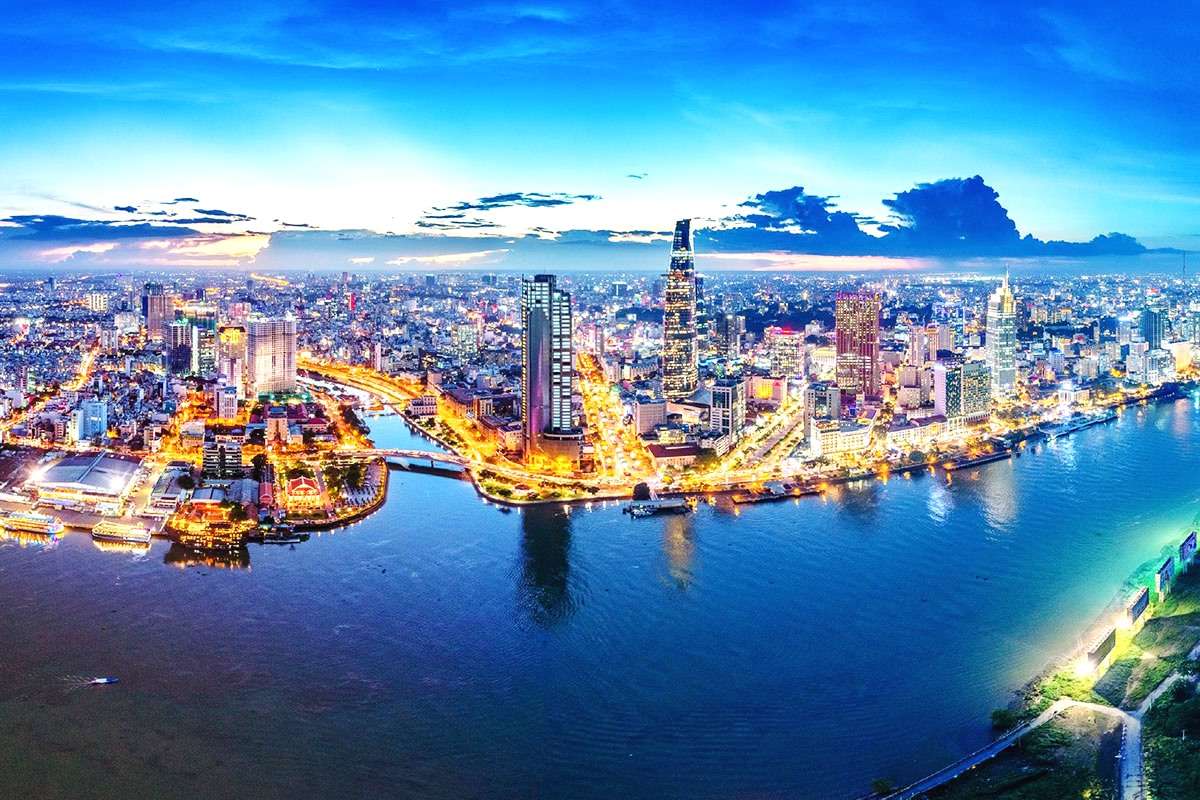
A beautifully arranged meal can anchor an evening in District 1, especially when guests want more than a quick stop between attractions. The restaurant’s Dong Du Street location places diners near the energy of central Ho Chi Minh City, while the fine-dining setting offers a calmer way to experience Vietnamese-inspired food.
Guests can continue their evening with local drinks, live music or a walk through the city, using Duong Restaurant Saigon’s guide to Saigon nightlife to plan what comes after dinner. That broader experience reflects the chef’s approach: food, place and presentation should work together rather than exist as separate moments.
Reserve a table at Duong Restaurant Saigon and experience how Vietnamese character, French technique and thoughtful plating come together on Dong Du Street. Bring an appetite for discovery and allow each course to unfold through its colours, textures, aromas and flavours.