Chef-led dining at Duong Restaurant Saigon
For a first visit to Duong Restaurant Saigon, the best approach is to let the chef’s style guide the meal. Located on Dong Du Street in District 1, the restaurant brings Vietnamese ingredients and familiar local flavors into a polished French-inspired dining experience. The result is a menu suited to travelers who want something refined without losing the character of Saigon.
The setting also encourages a slower pace. Rather than rushing through a quick meal, guests can settle into the cozy dining room, discuss the menu with the service team, and enjoy dishes that reveal different textures, aromas, and cooking techniques. This makes the restaurant a natural choice for a memorable evening after exploring central Ho Chi Minh City.
A first-time diner does not need extensive knowledge of Vietnamese cuisine to enjoy the experience. A little curiosity, an appetite for seafood, beef, vegetables, and fresh herbs, and a willingness to follow the chef’s recommendations are enough to create a well-balanced meal.
A chef’s welcome in District 1
Duong Restaurant Saigon’s menu reflects a meeting point between Vietnamese culinary traditions and French fine-dining presentation. Vietnamese herbs, noodles, seafood, mushrooms, and carefully prepared meats remain at the center, while sauces, plating, and pacing add a contemporary European touch.
Start by telling the team that it is your first visit. This simple detail helps the restaurant suggest portions and flavors that fit your preferences. Guests who enjoy lighter dishes may begin with a salad or mushroom soup, while those seeking a more distinctive Vietnamese bite can try rice noodle beef rolls.
The purpose of chef-led dining is to make the meal feel personal rather than fixed. Recommendations may change according to available ingredients, seasonal produce, and the balance of the dishes already selected for the table.
Begin with contrasting flavors
Rice noodle beef rolls are a strong choice for first-time visitors because they combine recognizable ingredients with a distinctly Vietnamese character. Tender beef, soft noodles, herbs, and fresh accompaniments create a dish that is savory, aromatic, and satisfying without feeling heavy at the start of a meal.
A salad can provide a crisp counterpoint. Fresh vegetables and herbs bring brightness to the table, particularly when paired with richer dishes later in the meal. This contrast is important in Vietnamese-inspired cuisine, where acidity, freshness, and texture often balance the depth of a sauce or the richness of carefully cooked protein.
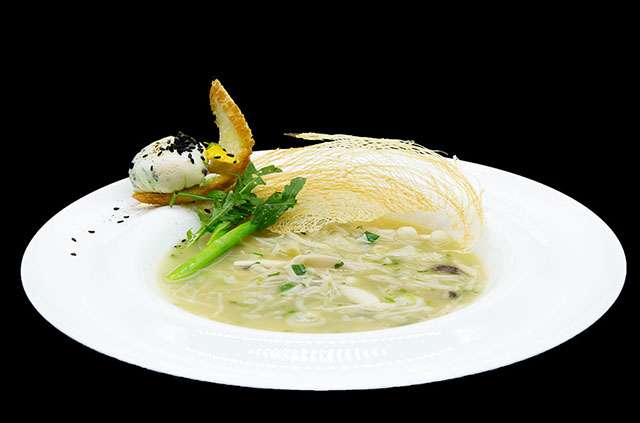
Mushroom soup offers another gentle opening. Its earthy flavor and warm texture make it especially suitable for a relaxed dinner, while its vegetarian profile gives the table more variety. Sharing two starters allows first-time diners to experience different sides of the menu before moving to the main course.
Choose a main course with character
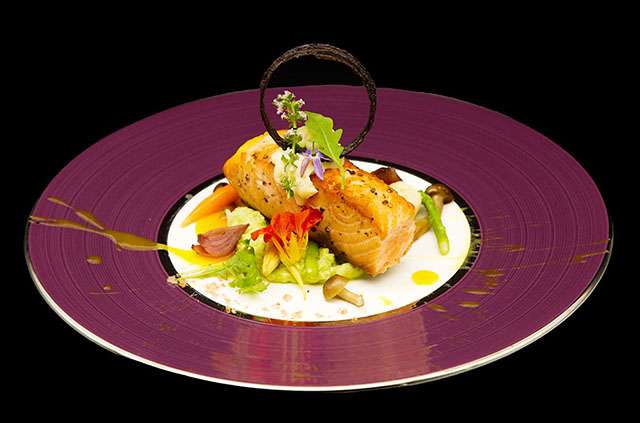
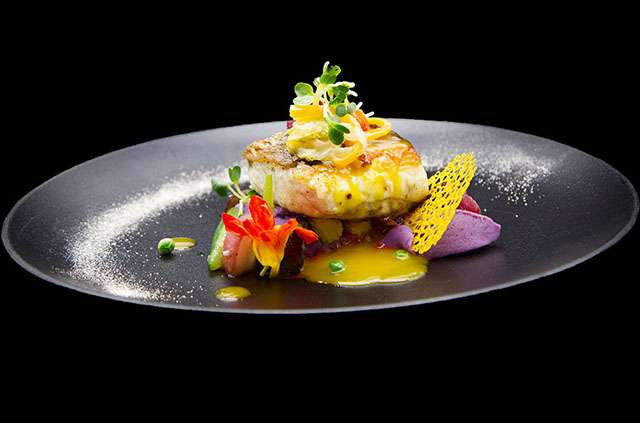
Seafood is an appealing choice for guests who want to taste the freshness associated with Vietnam’s coastal food culture. Ask the restaurant team which preparation best represents the current menu, then consider sharing it so that everyone can appreciate its texture and seasoning.
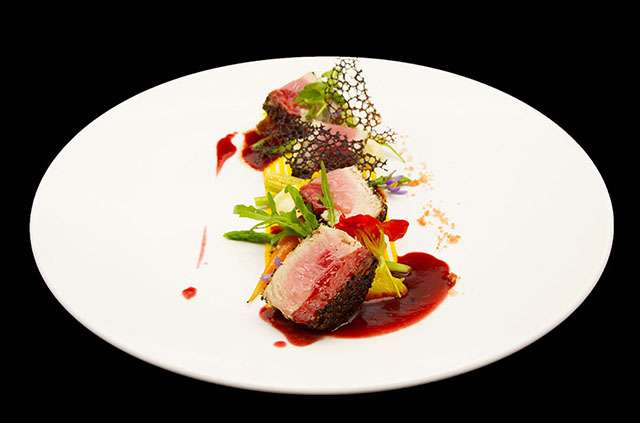
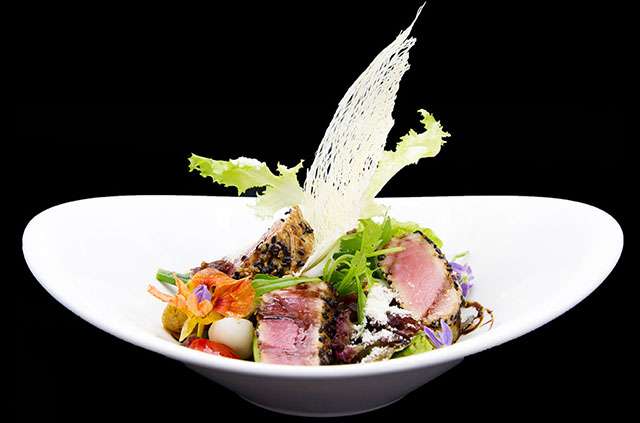
Tuna steak suits diners who prefer a more structured, modern main course. Its firm texture and clean flavor work well with refined sauces and vegetable accompaniments, creating a dish that feels elegant while remaining approachable. The chef’s preparation is worth following rather than requesting heavy additions that could obscure the fish.
Those who enjoy beef can continue the meal with the rice noodle beef rolls as a starter and select a lighter main course, or reverse the balance with seafood first and beef later. The key is to avoid ordering several dishes with the same richness. A varied table usually gives a better impression of the restaurant’s culinary range.
| Course |
A suitable first-visit choice |
What it contributes |
| Starter |
Rice noodle beef rolls |
Vietnamese flavor, herbs, and soft texture |
| Light opening |
Mushroom soup |
Warmth and earthy depth |
| Fresh option |
Salad |
Crispness, acidity, and balance |
| Main course |
Tuna steak |
Refined presentation and clean flavor |
| Shared centerpiece |
Seafood selection |
Freshness and a taste of coastal cuisine |
Match the meal to Saigon’s rhythm
Dining at Duong can fit naturally into a day spent discovering District 1. A visit to the War Remnants Museum offers a thoughtful cultural experience, while an evening meal on Dong Du Street provides a calmer setting for reflection and conversation afterward.
Travelers who are still learning about the country’s history, customs, and food traditions may also enjoy reading these Vietnam facts and questions before exploring the city. Understanding a little of the local context can make familiar ingredients and dining customs feel more meaningful.
Timing matters as well. A relaxed dinner reservation gives the kitchen and service team room to present the meal in stages. Arriving early can make the evening feel unhurried, while a later reservation may suit visitors who have spent the afternoon walking through central Saigon.
Let the service shape the evening
First-time guests often focus on selecting the “right” dishes, but attentive service is part of the restaurant’s chef-led experience. Explain allergies, dietary preferences, spice tolerance, and whether you prefer a light or substantial meal. These details help the team refine its recommendations.
Sharing several plates is a practical way to discover more of the menu. Two or three diners might choose a starter, a soup or salad, and two mains to share. This format creates a progression from fresh and delicate flavors to richer, more substantial bites.
A fine-dining meal is also an opportunity to notice small details: the temperature of the food, the relationship between sauce and garnish, and the way French techniques support Vietnamese ingredients. Taking time between courses makes those details easier to appreciate.
Plan a memorable private meal
Duong Restaurant Saigon can also suit birthdays, business dinners, family celebrations, and intimate gatherings. A private event benefits from advance communication, particularly when guests have different dietary requirements or when the host wants a carefully paced menu.
The restaurant’s guide to hosting a private event can help organizers think through the format, guest experience, and practical arrangements. Sharing the occasion with the team early allows the menu and service style to feel more intentional.
For a first-time visitor organizing a group dinner, a chef-guided selection can be easier than asking every guest to choose independently. A mixture of seafood, beef, vegetables, soup, and fresh salads gives the table broad appeal while preserving the Vietnamese-French character of the restaurant.
Make your first visit count
- Tell the team that you are dining at Duong for the first time and ask for current chef recommendations.
- Begin with contrasting textures, such as rice noodle beef rolls, mushroom soup, and a fresh salad.
- Choose one seafood or tuna dish as a refined main course, then add another plate for sharing.
- Mention allergies, spice preferences, and dietary needs before ordering.
- Reserve ahead for special occasions, larger groups, or a preferred dinner time.
The most rewarding first visit is one that leaves room for discovery. Let the chef’s recommendations determine the progression, balance richer dishes with fresh flavors, and give the service team enough information to tailor the experience. Reserve your table at Duong Restaurant Saigon and make your next evening in Ho Chi Minh City a memorable Vietnamese-French dining experience.