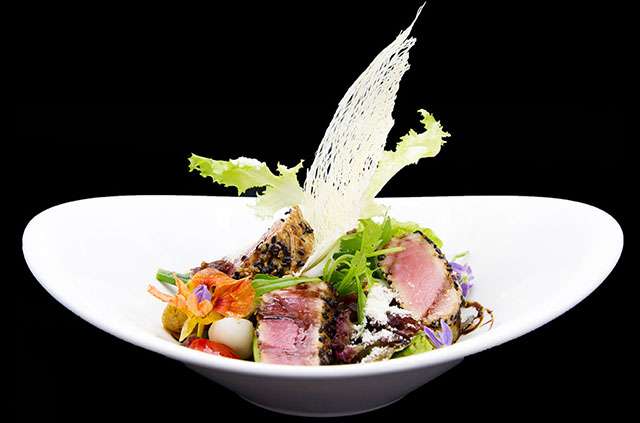
The Secret Behind Duong’s Perfect Rice Noodle Beef Rolls
At Duong Restaurant Saigon, rice noodle beef rolls bring together several elements of Vietnamese cooking: tender beef, fresh herbs, delicate rice noodles, crisp vegetables, and a sauce that connects every flavor. The dish looks simple when it arrives, but its balance depends on careful preparation at every stage.
Located on Dong Du Street in District 1, the restaurant presents Vietnamese-inspired cuisine through a chef-led menu with French culinary influences. Its rice noodle beef rolls reflect that approach, combining familiar Saigon ingredients with precise cooking and elegant presentation.
The chef’s secret is less about one hidden ingredient than about controlling texture, temperature, seasoning, and timing. Each component must remain distinct while still forming a harmonious bite.
The foundation is ingredient balance
A successful beef roll begins with a cut of beef that is tender enough to cook quickly but substantial enough to hold its flavor. Thin slices allow the meat to absorb seasoning and cook evenly without becoming tough. The chef’s method focuses on a short marinade rather than an overpowering one, preserving the natural taste of the beef.
Rice noodles contribute softness and lightness, while herbs and vegetables provide freshness. Lettuce, aromatic herbs, and crisp garnishes prevent the roll from feeling heavy. This contrast is essential: the beef should be savory, the noodles supple, and the vegetables lively.
The restaurant’s version follows the spirit of Vietnamese fresh rolls while adding a polished fine-dining touch. You can explore the culinary background in the rice noodle beef roll guide, which explains why this dish depends so strongly on freshness and proportion.
The chef’s real secret is timing
Rice noodles can quickly become sticky or lose their spring if they are soaked too long. The chef prepares them until they are tender but still structured, then drains them thoroughly. Excess moisture can weaken the wrapper and dilute the flavors inside the roll.
The beef also needs precise heat. A very hot cooking surface helps create a lightly caramelized exterior while keeping the center tender. Overcooking is one of the easiest ways to lose the delicate contrast that makes the dish appealing.
Assembly follows immediately. Warm beef, prepared noodles, herbs, and vegetables are brought together while their textures are at their best. This attention to timing is what turns ordinary ingredients into a composed restaurant dish.
A balanced marinade makes the beef memorable
The marinade should support the beef instead of covering it. Savory seasoning, a small amount of sweetness, aromatics, and gentle acidity create depth without making the meat taste overly salty. Vietnamese cuisine often relies on this layered approach, where no single flavor dominates for too long.
The chef also pays attention to marinating time. A brief infusion seasons the surface and keeps the meat clean-tasting. If the beef sits too long in a strong marinade, its texture can become less appealing and the final roll may taste unbalanced.
The dipping sauce completes the seasoning. It should offer a combination of salty, sweet, sour, and aromatic notes, giving diners the option to adjust each bite. This is why the sauce is served as part of the experience rather than treated as a minor garnish.
| Element |
Purpose in the roll |
What to look for |
| Thinly sliced beef |
Provides savory depth and tenderness |
Light caramelization with a soft center |
| Rice noodles |
Adds a smooth, delicate texture |
Tender strands that are not sticky |
| Fresh herbs |
Brings fragrance and brightness |
Clean, lively aromatics |
| Crisp vegetables |
Creates contrast and freshness |
A firm bite without excess water |
| Rice paper wrapper |
Holds the ingredients together |
Flexible, neat, and not torn |
| Dipping sauce |
Unites the flavors |
Balanced sweet, salty, sour, and savory notes |
Texture matters as much as flavor
A perfect rice noodle beef roll should change texture as it is eaten. The wrapper is soft and slightly elastic, the noodles are smooth, the beef is tender, and the vegetables add a gentle crunch. If all the elements have the same consistency, the dish loses much of its appeal.
The chef’s assembly technique helps protect that contrast. Ingredients are placed in an orderly layer rather than compressed tightly. This keeps the roll neat while allowing diners to recognize the separate flavors.
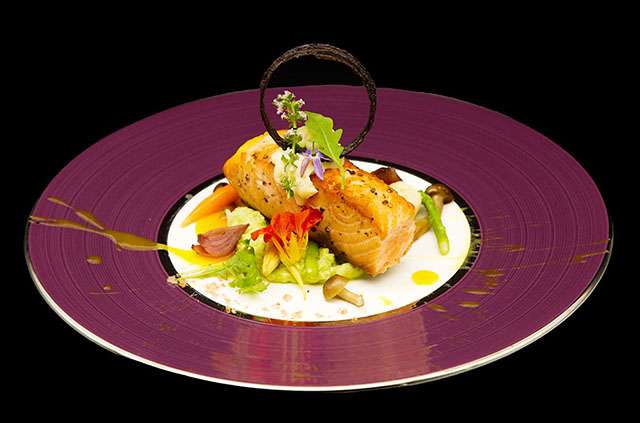
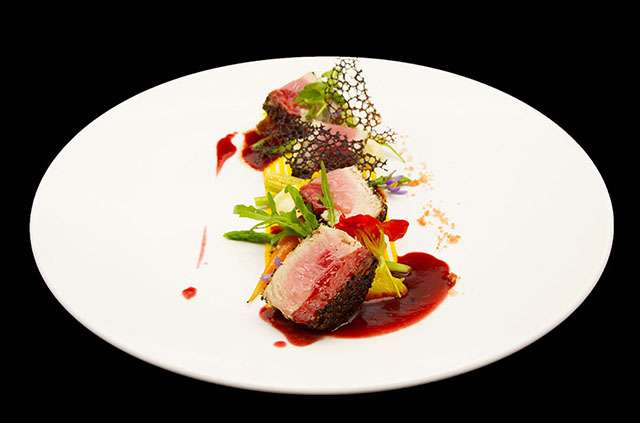
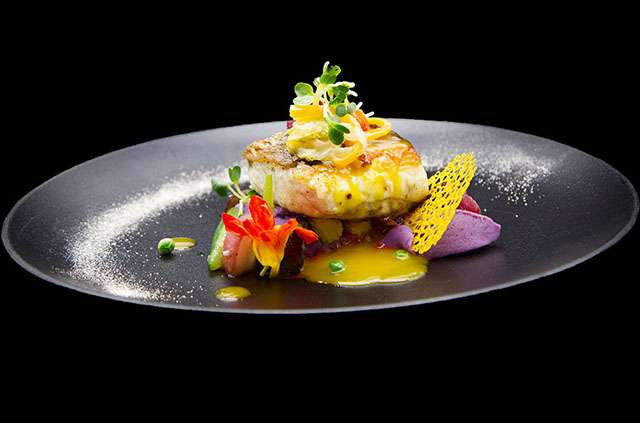
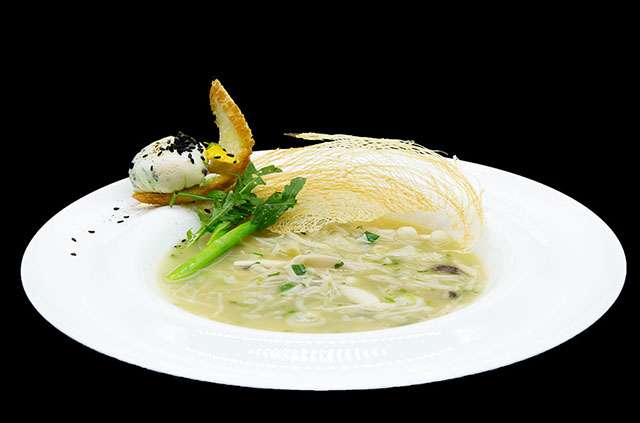
Presentation also affects the first impression. Clean cuts, carefully arranged herbs, and a measured portion of sauce make the dish feel refined without removing its relaxed Vietnamese character. It is a good example of how Duong Restaurant Saigon combines approachable local food with fine-dining standards.
French technique meets Vietnamese character
The restaurant’s Vietnamese and French fusion identity can be seen in its attention to preparation and plating. French culinary ideas emphasize sauces, knife work, temperature control, and visual balance, while Vietnamese cooking contributes fresh herbs, rice noodles, vibrant vegetables, and layered seasoning.
Neither tradition needs to overwhelm the other. The best result comes from using technique to clarify the ingredients. The beef remains the center of the roll, while the herbs and sauce create the brightness associated with Vietnamese street food and home cooking.
This same balance appears across the broader menu, which includes seafood, tuna steak, mushroom soup, salads, and other Vietnamese-inspired dishes. Guests who enjoy lighter, fresh flavors may also appreciate the restaurant’s seafood dishes guide when planning a broader meal.
How to enjoy the dish at Duong Restaurant Saigon
Rice noodle beef rolls are best eaten soon after they are served. Waiting too long can soften the wrapper and reduce the contrast between warm beef and cool vegetables. A small dip into the sauce is usually enough; too much can hide the herbs and make the roll difficult to handle.
The cozy dining atmosphere makes the dish suitable for a relaxed lunch, an intimate dinner, or a meal built around several courses. Because the rolls are light and fresh, they can work well as a starter before seafood, a steak dish, or a richer Vietnamese-inspired entrée.
For the best experience, keep these points in mind:
- Eat the rolls shortly after they reach the table.
- Dip lightly first, then add more sauce according to taste.
- Notice the contrast between tender beef, soft noodles, and crisp herbs.
- Pair the rolls with a fresh salad or seafood dish for a balanced meal.
- Reserve ahead when planning a special dinner in District 1.
The enduring appeal of Duong Restaurant Saigon’s rice noodle beef rolls comes from precision rather than complexity. Fresh ingredients, controlled heat, careful wrapping, and a balanced dipping sauce allow every part of the dish to contribute. To taste this chef-led interpretation in person, make a reservation at the Dong Du Street restaurant and experience how Vietnamese tradition is shaped through refined technique.