French reds that bring Vietnamese flavours into focus
Choosing a red wine for Vietnamese food calls for more than matching colour with meat. Fresh herbs, chilli, fish sauce, caramelised sauces and aromatic spices can make a heavy, oaky bottle taste harsh. The best choice has enough freshness for herbs, moderate tannin for savoury dishes and fruit that can meet sweetness without becoming jammy.
At Duong Restaurant Saigon on Dong Du Street in District 1, the Vietnamese and French fusion menu creates an ideal setting for exploring these combinations. This guide to choosing a French red for Vietnamese spices focuses on practical pairings, serving temperature and the differences Australian diners may notice between familiar local wines and classic French styles.
| French red style |
Main character |
Vietnamese dishes to try |
Why it works |
| Beaujolais Gamay |
Juicy, light-bodied, low tannin |
Rice noodle beef rolls, salads, grilled pork |
Refreshes herbs and does not overpower delicate flavours |
| Loire Cabernet Franc |
Peppery, fresh, savoury |
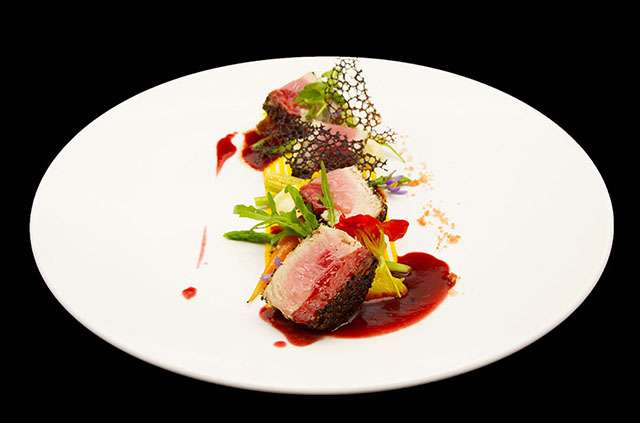
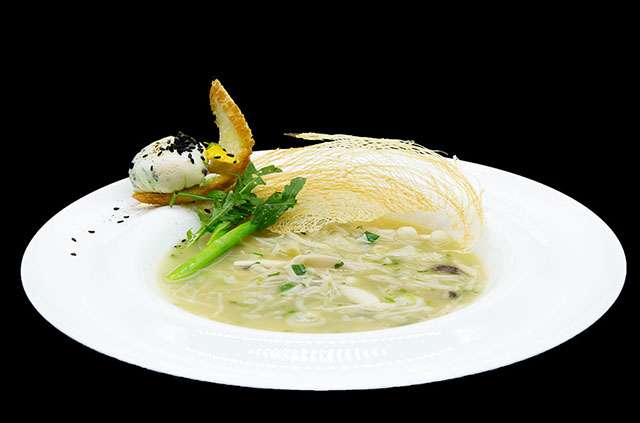
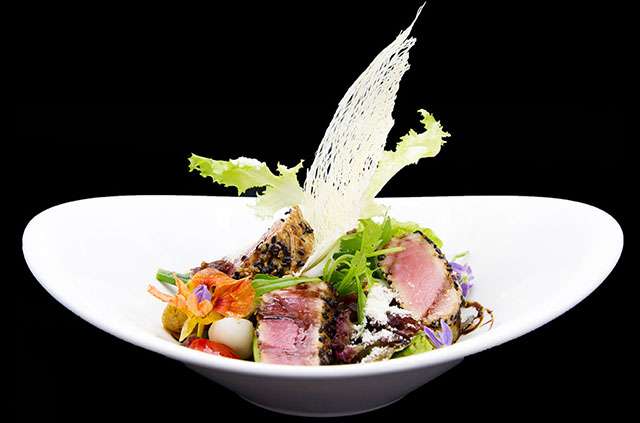
Tuna steak, mushroom soup, roasted vegetables |
Its leafy notes complement herbs and earthy ingredients |
| Southern Rhône blend |
Ripe fruit, spice, medium body |
Caramelised beef, seafood with chilli, grilled meats |
Matches aromatic seasoning while retaining freshness |
| Bordeaux blend |
Structured, cassis-led, firm tannin |
Rich beef dishes and slow-cooked sauces |
Suits savoury, concentrated dishes when chilli is restrained |
Start with the spice profile
Vietnamese cuisine rarely has a single dominant flavour. A dish may combine black pepper, star anise, coriander, garlic, mint and chilli with a sweet-salty glaze. Before selecting a bottle, identify whether the meal is light and herbal, rich and caramelised, or hot and intensely seasoned.
For fresh salads, rice noodle beef rolls and seafood, look for a red with lively acidity and soft tannins. Gamay from Beaujolais is a particularly useful choice because its raspberry and cherry flavours feel bright rather than heavy. A lightly chilled bottle can be more refreshing than a full-bodied red served at room temperature.
Chilli requires care. Alcohol can intensify the sensation of heat, while strongly toasted oak may clash with fish sauce and fresh herbs. When a dish is genuinely hot, choose a moderate-alcohol red with generous fruit, such as Beaujolais-Villages or a supple Côtes du Rhône.
Match French regions to Vietnamese dishes
Cabernet Franc from the Loire Valley offers a useful bridge between red-fruit freshness and savoury complexity. Its subtle capsicum, graphite and herb-like character can echo Vietnamese basil, coriander and pepper. Try it with tuna steak, mushrooms or grilled beef where the seasoning is aromatic rather than overwhelmingly hot.
A Southern Rhône blend, often based on Grenache with Syrah and Mourvèdre, brings plum, blackberry and gentle spice. It works well with caramelised sauces and grilled meats, especially when the dish has enough richness to meet the wine’s rounder texture. Duong’s approach to cross-cultural cooking is explained in its fusion dining guide, where French technique and Vietnamese ingredients share the same plate.
Bordeaux blends are best reserved for more substantial food. Cabernet Sauvignon, Merlot and Cabernet Franc can provide structure for slow-cooked beef, but firm tannin may taste metallic beside very salty fish sauce or sharp chilli. If choosing Bordeaux, favour a mature or Merlot-led bottle rather than an aggressively youthful, oak-heavy style.
A practical shortlist for your next meal
Start with one of these styles when ordering a French red with Vietnamese food:
- Beaujolais-Villages for salads, noodles, herbs and lighter beef dishes
- Loire Cabernet Franc for mushrooms, tuna, pepper and grilled vegetables
- Côtes du Rhône for caramelised meat, roasted flavours and moderate chilli
- Right Bank Bordeaux for richer beef dishes with restrained heat
Serving temperature has a major effect on balance. Australian homes and restaurants can be warm, particularly during a Brisbane summer or a humid evening in Sydney, so a red may arrive too warm to show its freshness. Place a lighter bottle in the refrigerator for 20 to 30 minutes, while a fuller red may need only a short chill.
Australian wine habits can shape expectations. Many diners in Melbourne, Adelaide and Perth are accustomed to generous Shiraz, but French reds often feel more restrained, earthy and food-focused. A wine with less obvious oak is not necessarily lacking flavour; its acidity and savoury detail are designed to work alongside the meal.
Order with confidence in Saigon
At a fine-dining restaurant, explain the dish rather than simply asking for “a red”. Mention whether you are ordering seafood, tuna, beef, mushroom soup or a spicy sauce, and tell the sommelier whether you prefer a lighter or fuller style. That information is more helpful than naming a grape without describing the food.
Duong’s à la carte menu makes it easier to think through the meal as a sequence. A bright, lower-tannin red can begin with salads or noodle rolls, while a Rhône or Bordeaux selection may become more suitable once richer beef or grilled dishes arrive.
Australian liquor rules are also worth remembering when planning wine experiences at home. The legal drinking age is 18, and licensed venues must follow responsible service of alcohol requirements. BYO arrangements vary between states, councils and individual restaurants, so diners should check the venue’s policy rather than assume a bottle can be brought in.
Serve the bottle with the whole meal
A successful pairing should remain enjoyable from the first bite to the last. If several dishes are shared, select a versatile red rather than the most powerful bottle. Gamay and Cabernet Franc are often safer across a table containing herbs, seafood, beef and vegetables because their acidity keeps the palate refreshed.
For a home dinner in Australia, open the bottle shortly before serving and taste it with the most strongly seasoned dish. If it seems too tannic, serve it slightly cooler or add a dish with more protein and richness. If it tastes flat, the food may need more freshness, herbs or acidity rather than a different wine.
A simple plan for shared dining looks like this:
- Begin with a chilled Gamay alongside fresh or lightly grilled dishes
- Move to Cabernet Franc when earthy mushrooms, pepper or tuna appear
- Choose a Rhône blend for caramelised beef and roasted sauces
- Keep Bordeaux for the richest course and moderate the chilli
Duong Restaurant Saigon offers a setting where this style of pairing can be explored without rigid rules. Reserve a table on Dong Du Street, share several Vietnamese-inspired dishes and ask the team to guide the French red selection around the flavours on the menu.