Local Spices And Their Uses In Saigon Cuisine
Duong Restaurant Saigon’s Guide to Local Spices and Their Uses begins with a simple idea: Vietnamese food is shaped by balance. Fragrance, heat, sweetness, saltiness, sourness, and umami should support one another rather than compete for attention. A small amount of spice can transform a broth, sharpen a salad, or give grilled seafood a distinctive Saigon character.
In Ho Chi Minh City, spices are part of everyday cooking. They appear in street-side noodle soups, family meals, dipping sauces, marinades, and refined restaurant plates. Some are added early to build depth, while others are scattered over a dish just before serving so their fresh aroma remains bright.
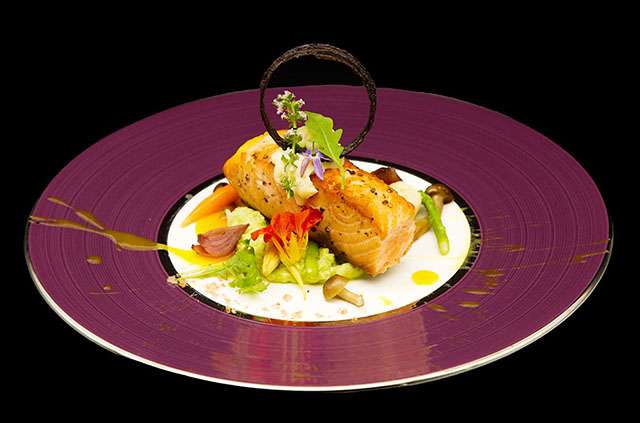
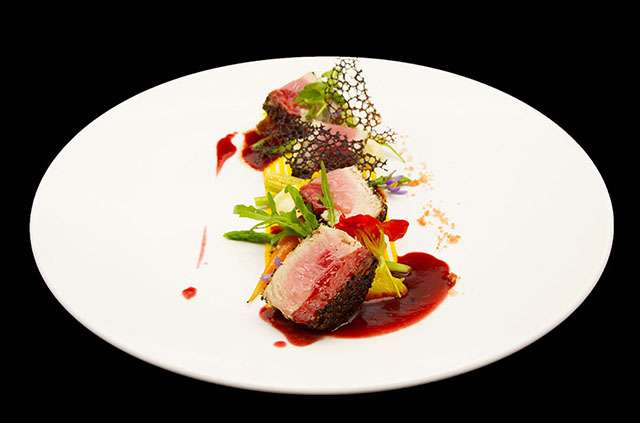
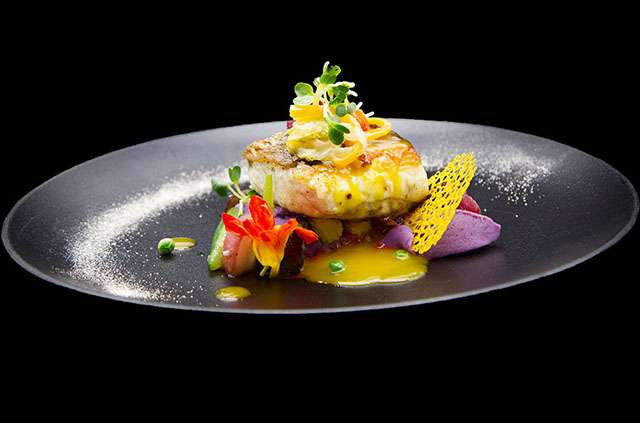
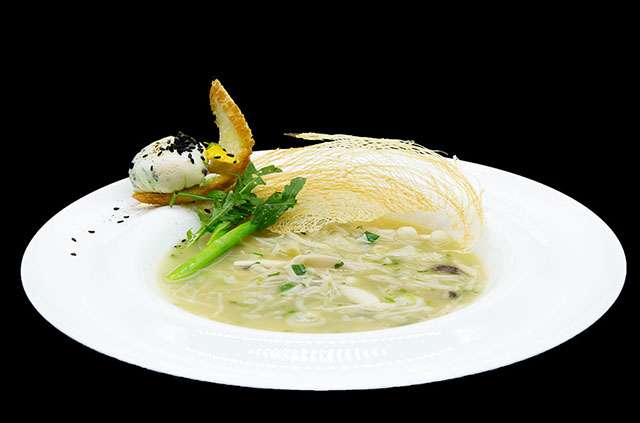
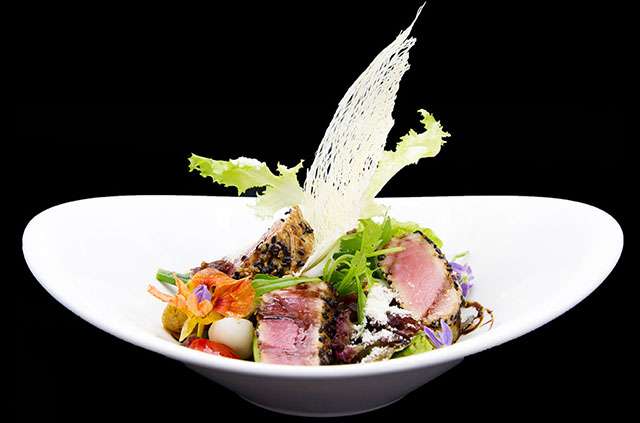
At Duong Restaurant Saigon, Vietnamese ingredients meet a polished French-influenced approach. Learning how each spice works makes it easier to appreciate the details in rice noodle beef rolls, seafood dishes, tuna steak, mushroom soup, and other chef-led creations.
Aromatic Foundations Of Vietnamese Cooking
Lemongrass is one of the most recognizable Vietnamese aromatics. Its citrus-like scent brings freshness to marinades, broths, and seafood preparations, while its slightly peppery flavor stands up well to grilled meats. Cooks often bruise the stalks to release their oils or finely mince the tender inner section for sauces and pastes.
Garlic and shallots provide a savory foundation. Garlic is especially useful in marinades, stir-fries, and dipping sauces, whereas shallots offer a softer sweetness when fried or slowly cooked. Together, they create the familiar fragrance that rises from a hot pan before other ingredients are added.
Pepper, Chili, And The Art Of Heat
Vietnamese black pepper is valued for its woody aroma and clean, lingering heat. It is frequently used with beef, poultry, mushrooms, and seafood. Freshly cracked pepper can finish a dish with texture and fragrance, while ground pepper blended into a marinade distributes warmth more evenly.
Chili brings a different kind of energy. Fresh red chili adds brightness and direct heat; bird’s eye chili is smaller and more intense; dried chili contributes a deeper, toastier character. Nuoc cham often combines chili with fish sauce, lime, sugar, and garlic, creating a versatile condiment that can brighten salads, noodles, and grilled dishes.
Heat should be controlled carefully in fine dining. A chef may use chili as an accent rather than the dominant flavor, allowing the natural sweetness of prawns, scallops, or tuna to remain clear.
Fragrant Seeds And Leaves
Star anise and cinnamon are commonly associated with pho and other slow-simmered broths. Star anise contributes a sweet licorice note, while cinnamon adds warmth and gentle woodiness. Both are usually toasted or simmered whole, then removed before serving. Their purpose is to perfume the liquid, not overwhelm it.
Coriander seeds, fresh cilantro, Vietnamese coriander, and kaffir lime leaves offer contrasting forms of freshness. Coriander seed has a rounded citrus flavor when toasted, while cilantro leaves provide a lively finish. Vietnamese coriander is sharper and more peppery, and kaffir lime leaves add a floral citrus aroma to sauces and seafood preparations.
| Spice or aromatic |
Main flavor |
Common uses |
Best pairing |
| Lemongrass |
Citrus, herbal, lightly peppery |
Marinades, soups, grilled dishes |
Seafood, chicken, beef |
| Black pepper |
Warm, woody, savory |
Finishing, sauces, meat rubs |
Beef, mushrooms, tuna |
| Fresh chili |
Bright, sharp heat |
Dipping sauces, salads, noodle dishes |
Seafood, pork, herbs |
| Star anise |
Sweet, fragrant, licorice-like |
Broths and braises |
Beef, cinnamon, ginger |
| Turmeric |
Earthy, slightly bitter, golden |
Rice, marinades, fish dishes |
Fish, chicken, coconut |
| Vietnamese coriander |
Peppery, herbal, fresh |
Salads, noodle dishes, garnishes |
Duck, seafood, herbs |
Earthy Spices For Color And Depth
Turmeric is recognized by its golden color and earthy flavor. It is used in marinades, rice dishes, seafood preparations, and sauces. In moderate amounts, turmeric adds warmth without making a dish hot. It also gives ingredients a vivid appearance, which can be especially effective alongside fresh herbs and pale seafood.
Ginger brings a clean, warming sharpness. It can reduce the heavier impression of rich broths and balance the natural sweetness of shellfish. Sliced ginger is often simmered with stock, while grated or minced ginger works well in dipping sauces and marinades.
For diners exploring the city, understanding these distinctions adds meaning to every meal. A useful District 1 dining guide can help place restaurant flavors within the wider food culture of central Ho Chi Minh City, where traditional markets, contemporary kitchens, and historic streets sit close together.
How Spices Shape A Complete Dish
Vietnamese cuisine rarely treats spice as an isolated ingredient. A lemongrass marinade may be balanced by lime, fish sauce, and sugar. A pepper sauce may be softened with butter or stock. Fresh herbs can cool the effect of chili, while pickled vegetables add acidity and crunch.
French culinary techniques can bring another layer to these combinations. A reduced sauce, carefully strained broth, or precise sear can concentrate the character of local aromatics. This approach suits ingredients such as tuna, mushrooms, and seafood, where the spice should frame the main ingredient instead of covering its flavor.
When tasting a dish, notice the order in which flavors appear. Fragrance may come first, followed by salt and umami, then acidity or heat. That progression often reveals how the chef has layered whole spices, fresh herbs, and finishing seasonings.
Choosing Spices For A Shared Meal
A shared Vietnamese meal benefits from contrast. Pair a fragrant soup with a crisp salad, a gently spiced seafood dish with a lively dipping sauce, and a rich main course with fresh herbs or pickled vegetables. This keeps the palate engaged across several courses.
For private celebrations, spice selection can also help create a cohesive menu. Duong Restaurant Saigon’s advice on hosting a private event is useful when planning dishes for guests with different preferences, since sauces and chili can often be served separately.
Practical Ways To Explore Local Flavor
- Start with lemongrass, ginger, and black pepper for a balanced aromatic base.
- Ask for chili on the side when trying an unfamiliar dish.
- Taste dipping sauces separately before adding them to noodles or seafood.
- Pair rich or grilled foods with herbs, lime, and pickled vegetables.
- Notice whether a spice is used for aroma, color, heat, or depth.
A thoughtful menu does not require every spice at once. A few well-chosen aromatics can make a meal feel distinctive while preserving the clarity of each ingredient.
Book a table at Duong Restaurant Saigon on Dong Du Street and explore how local spices, fresh produce, and refined technique come together in the heart of District 1. Let the chef-led menu turn familiar Vietnamese flavors into a memorable dining experience.