Pairing Sauvignon Blanc With Fresh Herbs At Duong Restaurant Saigon
Sauvignon Blanc is a natural match for Vietnamese cooking. Its lively acidity, fresh citrus character and herbal notes can lift fragrant dishes without overpowering delicate seafood, crisp vegetables or rice noodles. At Duong Restaurant Saigon, this makes the wine especially interesting alongside ingredients such as Thai basil, coriander, Vietnamese mint, lemongrass and perilla.
For Australian diners, the style will feel familiar. Sauvignon Blanc is a regular choice at a relaxed Sydney seafood lunch, a Melbourne laneway dinner or a sunny weekend gathering in Adelaide. Yet the right Vietnamese pairing goes beyond simply choosing a cold white wine: the herbs, sauces, chilli and cooking method all shape the experience.
The best approach is to match the wine’s intensity with the dish. Fresh herbs should taste bright rather than grassy, while acidity should refresh the palate after fish sauce, roasted aromatics or a gently spicy dressing. This guide explains how to make those flavours work together in a refined Saigon setting.
| Dish or flavour profile |
Herb emphasis |
Sauvignon Blanc style |
Why it works |
| Fresh seafood and citrus |
Coriander, Vietnamese mint |
Crisp, mineral and dry |
Mirrors the dish’s freshness |
| Rice noodle beef rolls |
Thai basil, perilla |
Fragrant with moderate acidity |
Balances savoury beef and herbs |
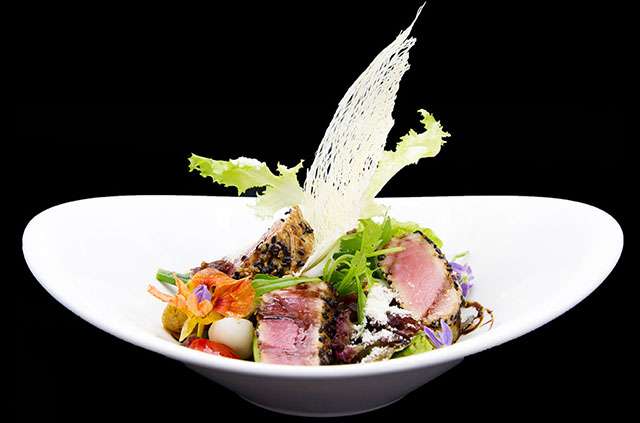
| Tuna steak |
Coriander, spring onion |
Textured, citrus-led |
Cuts through richness without masking the fish |
| Mushroom soup |
Vietnamese coriander, chives |
Softer, lightly rounded |
Adds lift to earthy flavours |
| Spicy herb salad |
Mint, basil, coriander |
Aromatic and fruit-forward |
Cools chilli and sharp dressing |
Why Sauvignon Blanc Suits Vietnamese Herbs
Sauvignon Blanc often carries aromas of lime, grapefruit, green apple, passionfruit, cut grass and fresh herbs. Those flavours echo the brightness found in Vietnamese cuisine, where a handful of coriander or Thai basil can transform the aroma of an entire plate.
Acidity is equally important. It cleans the palate after fish sauce, caramelised meat, fried elements and rich dressings. A dry, cool-climate bottle from New Zealand may suit diners who enjoy a sharp Marlborough style, while a fuller Australian Sauvignon Blanc can work well when the dish includes roasted mushrooms, grilled seafood or a more savoury sauce.
Matching Herbs With Wine Character
Coriander tends to bring a citrusy, almost peppery freshness. It works beautifully with a mineral Sauvignon Blanc and lighter dishes such as seafood, salads and delicate rice noodle preparations. Vietnamese mint has a cooler, more aromatic quality, making it a useful bridge between wine and chilli.
Thai basil and perilla need a little more care. Their sweet, anise-like and slightly earthy notes can make a very grassy wine seem sharper. Choose a bottle with ripe fruit, rounded texture and clean acidity rather than an aggressively green style. This is particularly useful when ordering several courses for a long lunch.
A few reliable combinations include:
- Coriander with prawns, white fish and citrus dressing
- Vietnamese mint with chilli, cucumber and fresh salads
- Thai basil with beef, caramelised sauces and grilled seafood
- Perilla with tuna, sesame and lightly smoky flavours
- Lemongrass with mineral whites and aromatic seafood
Pairing The Wine With Signature Dishes
Rice noodle beef rolls combine tender meat, herbs, noodles and dipping sauce, creating several layers of flavour in one bite. A Sauvignon Blanc with moderate acidity and subtle tropical fruit can refresh the palate while allowing Thai basil and coriander to remain prominent.
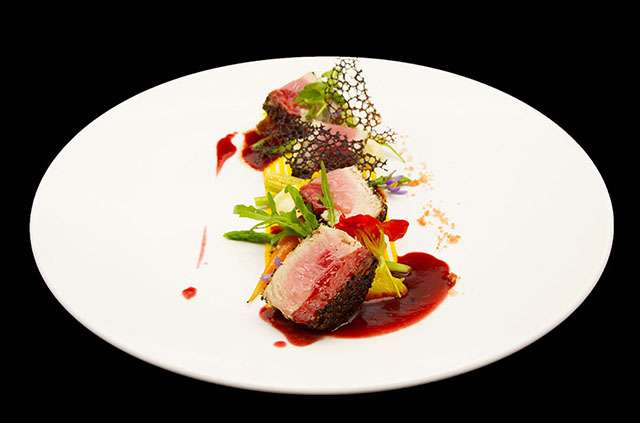
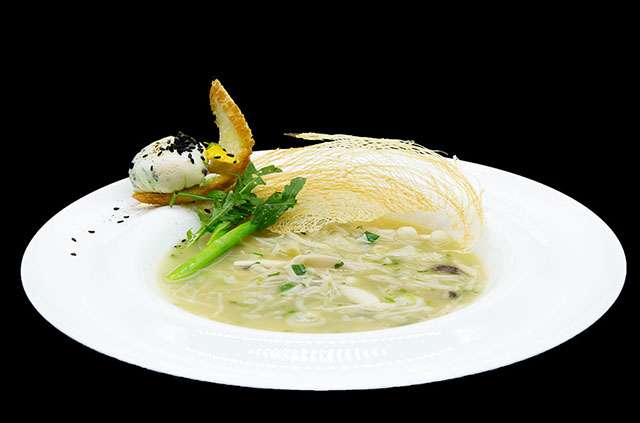
Tuna steak calls for a wine that is fresh but not thin. Look for citrus, stone fruit and a little texture, especially if the tuna is served with sesame, herbs or a savoury glaze. Seafood generally welcomes a leaner style, while mushroom soup benefits from a slightly rounder bottle with enough body to meet its earthy depth.
The same principle applies to salads. A dressing containing lime, vinegar or fish sauce needs a wine with enough fruit and balance to avoid tasting harsh. When the salad includes chilli, fresh mint and crunchy vegetables, a fragrant Sauvignon Blanc can provide a cooling contrast.
Serving Sauvignon Blanc In Australia
Australian diners are used to varietal labels, so Sauvignon Blanc is easy to find through local bottle shops, restaurant lists and major retailers. New Zealand Marlborough bottles remain popular, while Sauvignon Blanc from the Adelaide Hills, Margaret River and Tasmania offers different expressions of acidity, texture and herbal character.
Temperature matters in warm conditions. In Brisbane humidity or during a summer afternoon in Sydney, serve the wine chilled but not icy, around 8–10°C. Excessive cold can hide its perfume and make herbs seem muted. An ice bucket is useful during a leisurely meal, especially if the bottle is being shared across several courses.
Australian dining habits also shape the pairing. A Sunday long lunch, a casual Melbourne catch-up or a seafood dinner near Perth’s coast may involve several people ordering different dishes. A versatile bottle with fresh acidity and moderate alcohol is often more practical than an intensely aromatic wine that suits only one plate. Check the venue’s BYO policy rather than assuming it applies, as licensing rules and corkage vary.
A Simple Tasting Method At The Table
Begin with a small sip before eating. Notice whether the wine feels crisp, rounded, tropical or strongly herbaceous. Then taste a leaf of coriander, mint or basil with a little of the dish. The aim is to see whether the wine amplifies freshness or becomes too sharp and grassy.
Next, try the complete bite with sauce, protein and herbs. A successful pairing should make the dish feel cleaner and the wine feel more expressive. If chilli dominates, a fruitier style may help. If the sauce is salty or acidic, a wine with softer texture and ripe citrus character will usually be more comfortable.
Use this quick guide when comparing bottles:
- Choose mineral and lean styles for raw or lightly cooked seafood
- Choose ripe citrus and tropical fruit for chilli and herb salads
- Choose moderate body for beef rolls and richer dipping sauces
- Choose softer acidity for mushroom soup and earthy ingredients
- Avoid heavily oaked whites when delicate herbs are the focus
Exploring Duong Restaurant Saigon
At Duong Restaurant Saigon, the pairing is part of a broader chef-led dining experience. The restaurant’s location on Dong Du Street in District 1 places it close to the energy of central Ho Chi Minh City, while its cosy atmosphere gives guests space to enjoy the detail in each course.
Fresh herbs are especially effective when supported by careful cooking. Slow, gentle techniques can build savoury depth without overwhelming the bright ingredients added at the end; the restaurant’s slow-cooked broths offer a useful example of that balance.
For visitors planning a special meal, it is worth reviewing the current menu, photographs and Duong Restaurant Saigon reservation information before arriving. A booking can make it easier to arrange a paced sequence of seafood, salads, beef rolls and wine, particularly during busy evenings in District 1.
The most enjoyable pairing may be a crisp bottle with coriander-rich seafood, followed by a more textured pour alongside tuna or mushrooms. Reserve a table at Duong Restaurant Saigon and discover how Sauvignon Blanc, Vietnamese herbs and thoughtful cooking come together across a complete meal.