Phu Quoc Pepper: A Spice Primer from Saigon
On Vietnam’s largest island, pepper vines climb simple support posts beneath a warm, humid sky. The resulting spice is a familiar ingredient in Vietnamese kitchens, yet Phu Quoc pepper has enough fragrance and regional character to deserve a closer look. Its flavour can move from fresh and grassy to warm, piney and gently hot, depending on when the berries are picked and how they are processed.
For Australian diners, it is an appealing way to explore Vietnamese food beyond chilli heat. A small amount can sharpen seafood, lift a bowl of soup or give grilled beef a more aromatic finish. At Duong Restaurant Saigon, this island-grown ingredient fits naturally into a chef-led menu shaped by Vietnamese traditions and French culinary technique.
| Pepper style |
Appearance |
Flavour profile |
Best uses |
| Green peppercorns |
Fresh, soft berries |
Herbal, bright, lightly spicy |
Seafood, sauces, salads |
| Black pepper |
Dried with wrinkled skin |
Fragrant, warm, earthy |
Beef, soups, marinades |
| White pepper |
Peeled dried seed |
Clean, savoury, lingering heat |
Broths, seafood, creamy dishes |
| Red peppercorns |
Fully ripened berries |
Fruity, rounded, mildly sweet |
Finishing, dressings, refined sauces |
The island behind the spice
Phu Quoc sits in the Gulf of Thailand, off Vietnam’s south-western coast. Its tropical conditions, red earth and regular rainfall create a productive environment for pepper cultivation. Small farms across the island train vines up wooden poles or concrete supports, with bunches of berries appearing among broad green leaves.
The island is also known for fish sauce, beaches and forested landscapes, so pepper forms part of a wider local food culture rather than an isolated souvenir. Visitors may see pepper gardens near rural roads, where the crop is harvested by hand and prepared in modest family-run operations.
How peppercorns change as they mature
Green peppercorns are picked before full maturity. They have a crisp, leafy aroma and a clean bite, which makes them especially effective with prawns, fish and delicate vegetables. Fresh green pepper is often cooked briefly or preserved in brine because its moisture makes it unsuitable for ordinary long-term storage.
Black pepper is made from mature green berries that are dried until the outer skin darkens and wrinkles. This process concentrates the aroma and creates a more familiar pepper warmth. Red peppercorns are allowed to ripen further before drying, bringing a rounder, fruitier character. White pepper is produced from ripe berries whose outer skin has been removed, leaving a pale seed with a direct, savoury heat.
Reading the flavour in a Vietnamese dish
Pepper in Vietnamese cooking is rarely treated as a blunt source of heat. It is used to add fragrance, deepen savoury flavours and create contrast. A few crushed black peppercorns can make beef taste richer, while white pepper gives a clear lift to a light broth without adding dark flecks.
This balance is useful in fusion cooking. A French-style cream or butter sauce can carry pepper’s woody perfume, while a Vietnamese dressing can use it alongside lime, fish sauce and sugar. The spice should support the main ingredient rather than conceal it, particularly when the dish centres on seafood or a carefully cooked steak.
At Duong Restaurant Saigon, that attention to balance extends to the final course. The restaurant’s handcrafted Vietnamese desserts show how familiar local flavours can be given a polished, contemporary presentation.
Choosing pepper in Australia
Australian shoppers will commonly find black pepper in supermarkets, while green or red Phu Quoc pepper may be easier to locate through Vietnamese grocers and specialty online retailers. In Melbourne, Victoria Market and nearby Asian food shops are useful places to compare whole spices; in Sydney, Cabramatta offers another strong starting point for Vietnamese pantry ingredients.
Look for whole peppercorns with a pronounced aroma and intact skins. A packet that smells dusty or flat has probably been sitting too long. For Australian home cooks, checking the country of origin and storage instructions matters because imported specialty products can vary in freshness, packaging and batch size.
Fresh green peppercorns are perishable, so use them promptly after opening. Brined versions should be drained before cooking, while dried pepper keeps best in an airtight container away from the stove. Australia’s warm kitchens, particularly during a humid Queensland summer, can quickly reduce the fragrance of poorly stored spices.
Matching pepper with seafood and meat
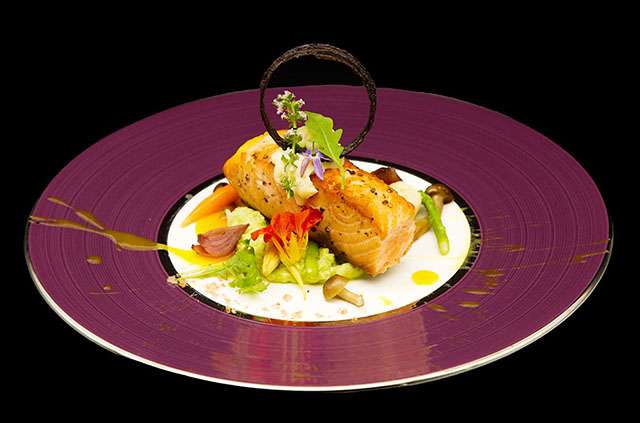
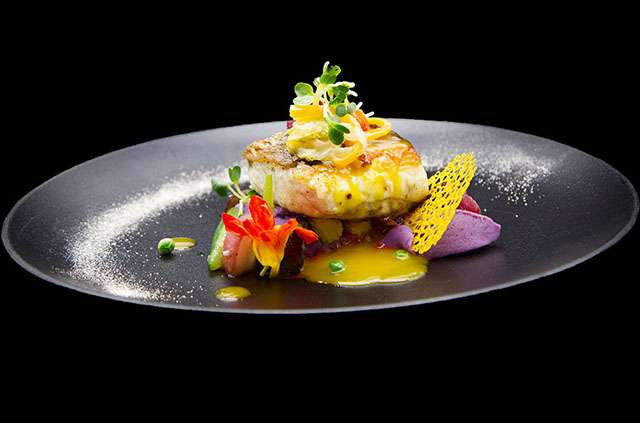
Phu Quoc pepper has a natural affinity with seafood. Green peppercorns work well with prawns, scallops and firm white fish because their herbal notes bring freshness without overwhelming sweetness. A simple sauce with butter, lime and green pepper can suit a weeknight dinner, while a more restrained version can accompany fine dining preparations.
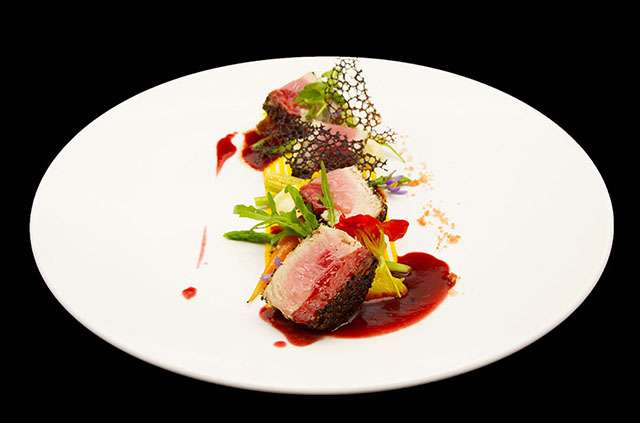
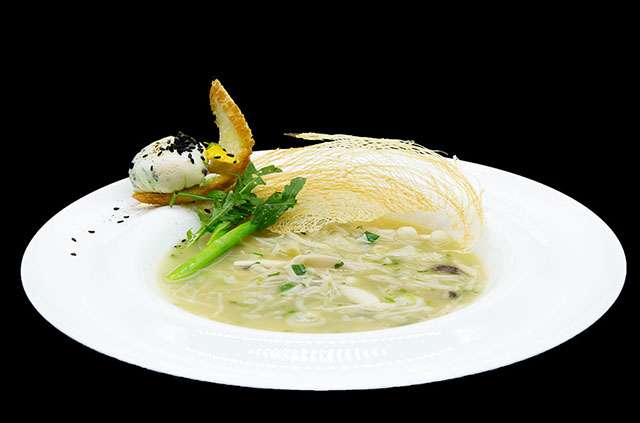
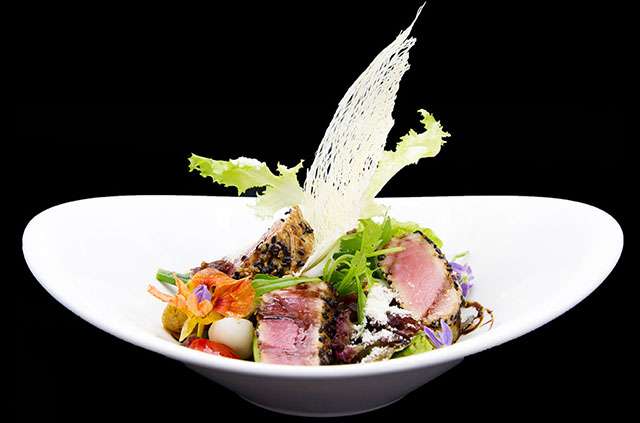
Black pepper is a strong partner for beef, including a seared tuna steak or a richly flavoured noodle dish. White pepper can add depth to mushroom soup, clear stock and seafood-based sauces. For salads, try a light dressing with lime juice, fish sauce, a little sugar and freshly ground pepper; it gives the vegetables a lively Vietnamese accent.
Australians often approach pepper through steak, barbecue and everyday brekkie eggs, but the spice has a much wider range. Think of it as an aromatic seasoning that can bridge local produce and Southeast Asian flavours, whether the meal is grilled barramundi in Brisbane or a shared dinner in a Melbourne apartment.
Grinding and cooking with care
Freshly grinding pepper just before serving preserves its volatile oils. A mortar and pestle creates a coarse texture suited to marinades and dipping sauces, while a mill gives finer control at the table. For soups and braises, add some pepper during cooking and finish with a small extra pinch to restore its aroma.
Avoid scorching delicate pepper in a dry pan. If making a sauce, bloom it briefly in oil or butter over moderate heat, then add stock, cream, citrus or other liquids. Crushed green pepper can be folded in near the end so its fresh character remains clear.
Vietnamese recipes often depend on measured contrast: salty fish sauce, sour lime, gentle sweetness and peppery fragrance. Taste as you go rather than adding a large amount at once. Phu Quoc pepper is at its best when diners can identify its perfume as well as its warmth.
Experiencing the spice at Duong Restaurant Saigon
A restaurant setting gives pepper a different role from the home pantry. Rather than appearing as a heavy coating, it may be folded into a sauce, scattered over a finished dish or paired with an ingredient chosen for its texture. This is where Vietnamese culinary memory and French technique can meet with precision.
The dining room on Dong Du Street in District 1 offers a comfortable setting for that style of meal, whether you are visiting Ho Chi Minh City from Australia or planning a special evening during a longer Vietnam trip. Choosing a suitable position can shape the experience, and the guide to the best table in the house explains how atmosphere and vantage point can matter.
Book a table at Duong Restaurant Saigon to explore Vietnamese-inspired dishes where pepper, herbs, seafood and carefully developed sauces work together. Bring your curiosity, take time with each course and let this distinctive island spice become part of your Saigon dining story.