Saigon Architectural Walking Routes And Duong Restaurant
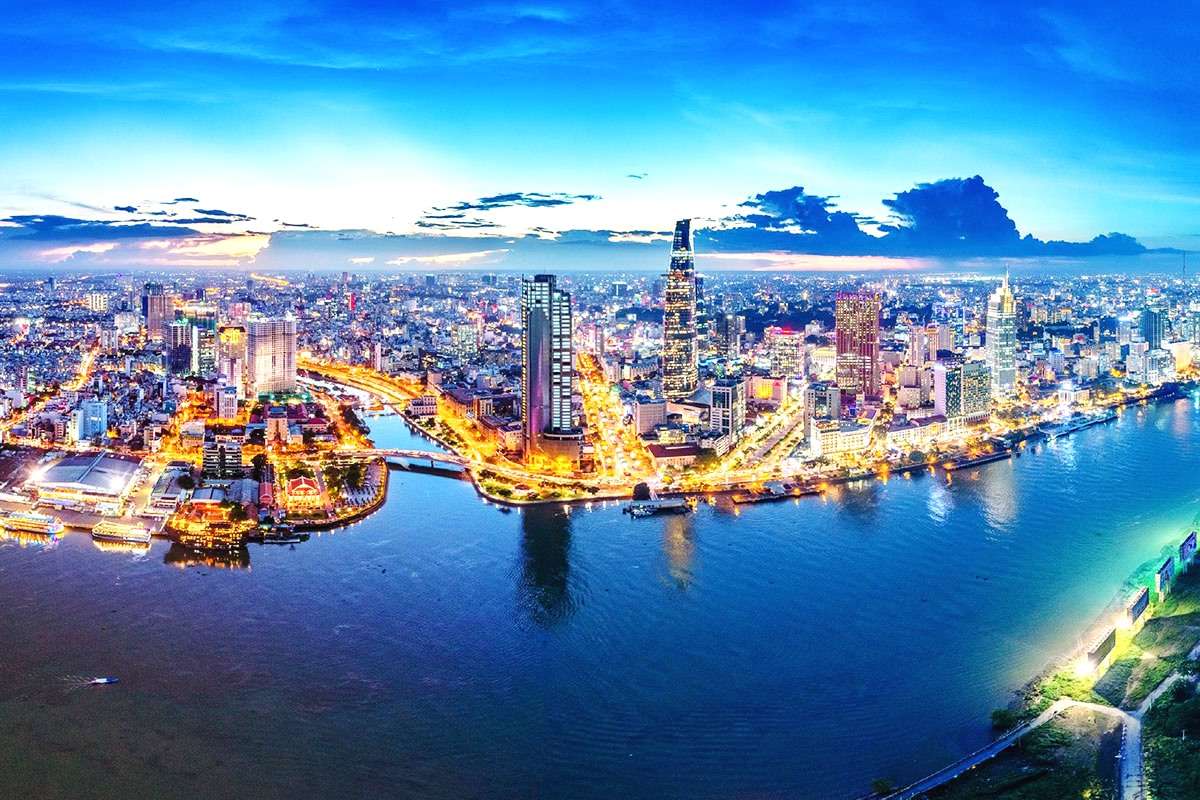
Saigon rewards travellers who explore at street level. Within a few kilometres, Ho Chi Minh City shifts from French colonial facades and grand civic buildings to narrow shophouses, modern towers, hidden courtyards and riverside landmarks. This Duong Restaurant Saigon’s Guide to Saigon’s Architectural Walking Routes is designed for visitors who want to connect those details through a relaxed day in District 1.
The routes suit Australian travellers accustomed to exploring Melbourne’s laneways, Sydney’s sandstone streets or Brisbane’s riverfront precincts. Expect tropical heat, busy pavements and a lively traffic rhythm, then finish with a chef-led Vietnamese and French fusion meal on Dong Du Street.
| Walking route |
Approximate time |
Architectural character |
Best finish |
| Colonial Core |
90 minutes |
Civic buildings, opera house, hotels |
Dinner in District 1 |
| Riverside And Nguyen Hue |
60–90 minutes |
Boulevards, towers, river heritage |
Sunset photos |
| Cho Lon Extension |
2–3 hours |
Shophouses, temples, market streets |
Cantonese-Vietnamese snacks |
| Design Details Circuit |
60 minutes |
Art Deco, balconies, adaptive reuse |
Coffee or a late meal |
Plan Around Heat And Traffic
Begin early, ideally between 7.30 and 9 am, when the light is softer and the pavements are more comfortable. A second good option is late afternoon, although popular streets become busier as offices empty. Australians used to a brisk walk around Circular Quay should allow extra time here: crossing roads requires patience, eye contact and a steady pace rather than sudden movement.
Wear breathable clothing, covered walking shoes and a hat. Carry water, but also leave room for a café stop or a bowl of soup. The rainy season can produce a sharp downpour, so a compact umbrella is useful. Ride-hailing apps make it easy to return to your hotel if the weather turns, while the city’s central attractions remain close enough to link by short car trips.
For a route map, restaurant details and practical travel information, visit Duong Restaurant Saigon before setting out. Reserving dinner early is sensible for Australian visitors travelling during school holidays or the December–January peak, when well-regarded restaurants can fill quickly.
Walk The Colonial Core
Start at the Saigon Central Post Office, whose arched interior, patterned floor and pale yellow exterior reflect the city’s French colonial period. Across the square, Notre-Dame Cathedral Basilica is an essential stop even when restoration work affects access. The broad streets and mature trees around this area give the walk a calmer character than the surrounding motorbike traffic suggests.
Continue towards the Independence Palace, where 20th-century modernist design provides a striking contrast to the older civic buildings. Its symmetrical plan, open terraces and historical rooms make it more than a photo stop. From here, walk towards the Saigon Opera House on Dong Khoi Street, passing hotels, boutiques and restored commercial buildings along the way.
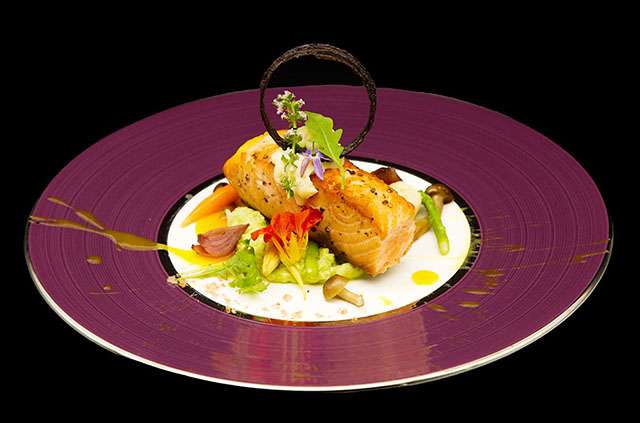
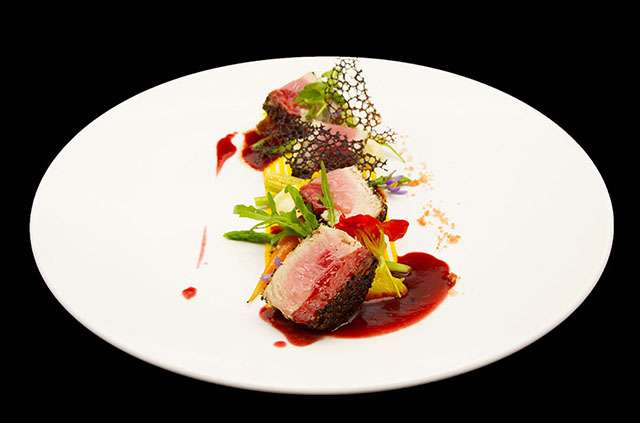
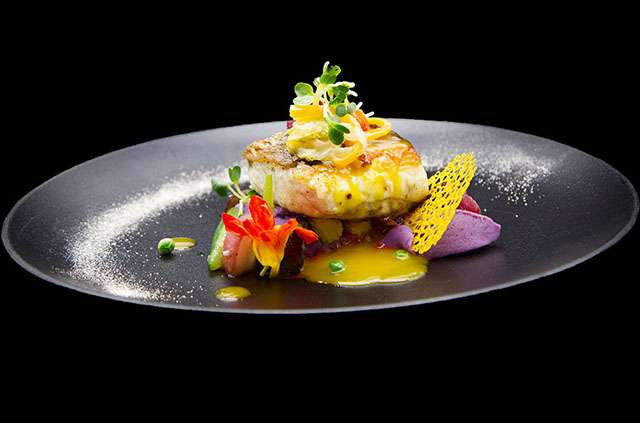
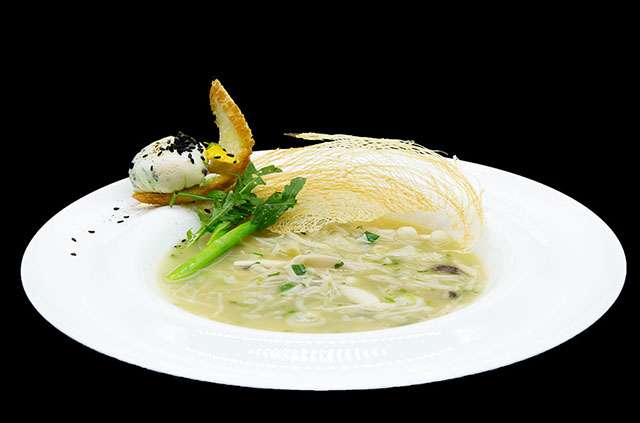
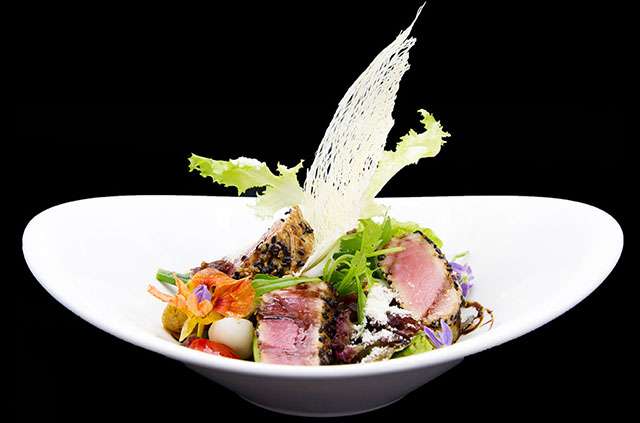
Dong Khoi leads naturally towards Dong Du Street and Duong Restaurant Saigon. A meal here brings the route back to contemporary Vietnamese dining, with dishes such as seafood, tuna steak, rice noodle beef rolls, salads and mushroom soup reflecting a polished local style with French influences.
Follow The Boulevard To The River
Nguyen Hue Walking Street is the city’s grand urban stage. Its broad central promenade is framed by government buildings, apartment blocks, cafés and newer commercial towers. Look up at the façades rather than focusing only on the crowds: balconies, sun shades, signage and narrow vertical windows reveal how older buildings have adapted to heat, commerce and changing tastes.
Walk east towards the Saigon River, then turn towards the Bach Dang waterfront. The route is especially attractive near sunset, when the humid air softens the skyline and ferries or river vessels add movement. Unlike a waterfront walk in Perth or Hobart, this one feels intensely urban, with scooters, vendors and high-rise development close to the promenade.
The riverfront is also a useful point to pause before dinner. From here, a short car ride or an easy walk returns to Dong Du Street, allowing visitors to combine major landmarks with a quieter restaurant setting.
Notice The Details That Define The City
Architecture in Ho Chi Minh City is best understood through small features. A narrow frontage may open into a surprisingly deep home, while a weathered balcony can sit beside a freshly painted shop. These layers are particularly visible around older central streets, where family businesses, offices and cafés occupy buildings that have changed purpose several times.
Use this visual checklist during the walk:
- Covered balconies that provide shade and ventilation
- Tiled floors and patterned cement details inside older premises
- Tall, narrow façades shaped by expensive urban land
- French shutters alongside Vietnamese signage
- Courtyards, arcades and recessed shopfronts
Australians may recognise a similar pleasure in Melbourne’s laneway textures, but Saigon’s buildings respond to a different climate and density. Air-conditioning units, awnings, high thresholds and open-fronted businesses are practical design elements as much as decorative ones. Respect private homes and working shops by photographing from public areas and avoiding blocked entrances.
Extend The Route Into Cho Lon
For travellers with a full day, Cho Lon in District 5 offers a different architectural experience. The area’s Chinese-Vietnamese heritage appears in assembly halls, temples, market streets and rows of shophouses. Cha Tam Church and nearby religious buildings show how multiple cultural traditions developed within the same urban landscape.
Binh Tay Market is a strong anchor for the walk, though its busiest trading hours can be intense. Go early, keep valuables secure and stay aware of delivery traffic. The surrounding lanes are often more rewarding than a quick market visit because they reveal balconies, painted shutters, family-run food businesses and compact workshop spaces.
The route is longer and less polished than a District 1 itinerary, so divide it into short sections and use a taxi between landmarks if needed. Australians who enjoy wandering through Sydney’s Haymarket or Adelaide Central Market will recognise the mix of food, trade and local routine, but Cho Lon operates on a larger, more concentrated scale.
Finish With A Considered Meal
A walking route works best when the final stop feels like part of the journey rather than an afterthought. Duong Restaurant Saigon’s cosy dining room offers a comfortable change of pace after the heat and noise outside. The chef-led menu draws on Vietnamese ingredients and techniques while incorporating French culinary ideas, making it suitable for travellers who want familiar refinement without losing local character.
The dining style is well suited to sharing. Begin with a light salad or mushroom soup, then explore seafood, tuna steak or rice noodle beef rolls depending on the group. Service and presentation are carefully handled, while the menu remains connected to the flavours visitors have encountered across the city’s markets and streets.
Before your walk, browse the restaurant’s photo gallery to get a sense of the room and presentation. Australians often plan meals around a “good feed” after a day outdoors, and this is a particularly fitting way to turn an architectural outing into a complete Saigon experience.
Choose a route, allow time for unplanned discoveries and reserve your table at Duong Restaurant Saigon for an elegant Vietnamese and French fusion dinner on Dong Du Street.