A Journey Through Vietnamese Coffee Culture with Duong Restaurant Saigon
Vietnamese coffee has transformed from a humble street-corner ritual into a celebrated global tradition. Its bold robusta beans, slow drip filters, and signature sweetness have found devoted followers from Paris to Tokyo. In Ho Chi Minh City, the beverage remains woven into daily life, served at breakfast counters, in office break rooms, and at family gatherings where elders insist guests take a second cup.
Australian coffee drinkers have long been among the world's most discerning consumers. Cities like Melbourne and Sydney host bustling specialty scenes where baristas treat espresso as both craft and conversation. The arrival of Vietnamese cafes in suburbs such as Footscray, Cabramatta, and Marrickville introduced locals to a different brewing philosophy, one that prizes patience, condensed milk, and the meditative pace of a phin drip.
This guide explores the history, techniques, and regional variations of Vietnamese coffee, then connects those traditions to the experience awaiting diners at Duong Restaurant Saigon. Readers will discover how a French colonial legacy shaped a distinctly Southeast Asian drink, what equipment defines the ritual, and where to find authentic expressions of the craft.
Whether you're an Australian traveller planning your itinerary or simply curious about expanding your coffee repertoire at home, the following sections offer practical context and a few recommendations to bring Vietnamese coffee culture closer to your own kitchen table.
Roots and Heritage of Vietnamese Coffee
Coffee first arrived in Vietnam during the French colonial period in the nineteenth century, when missionaries planted arabica trees in the northern highlands around Da Lat. By the early twentieth century, robusta cultivation expanded across the central provinces, taking advantage of the country's warm climate and fertile plateaus. Vietnam today ranks among the world's largest coffee producers, with the Central Highlands supplying much of the robusta that gives Vietnamese brews their characteristic depth and intensity.
The beverage evolved alongside local tastes. Vietnamese drinkers adapted French café culture by adding sweetened condensed milk, which both softened robusta bitterness and suited a tropical palate. The iconic phin filter, a small stainless steel drip device, allowed households and street vendors to brew a single cup at a time, making coffee accessible without expensive machinery.
Over decades, coffee shops became neighbourhood fixtures, serving as meeting places for writers, students, and office workers on break. The Vietnamese phrase "cà phê sáng" describes the morning cup taken before work, a habit that echoes Australia's own flat white ritual but with a slower, more deliberate cadence.
Brewing Methods and Equipment
The phin remains the heart of Vietnamese coffee preparation. A traditional set consists of a small chamber, a perforated plate, a press, and a lid. Finely ground robusta is placed in the chamber, pressed lightly, and hot water is poured over the top. The liquid drips slowly into a cup below, often pre-prepared with condensed milk for cà phê sữa đá, the classic iced coffee.
Vietnamese coffee preparation differs from espresso in several meaningful ways. Where an espresso machine forces water through finely packed grounds under pressure, a phin relies on gravity and time. The result is a thicker, more intensely flavoured cup that holds its own against ice and milk. Vietnamese baristas also favour darker roasts, often adding a small amount of butter, cocoa, or caramel during processing to enrich the body.
Other brewing styles appear throughout the country. Egg coffee, whipped with yolks and sugar, originated in Hanoi during a milk shortage in the 1940s. Coconut coffee blends brewed coffee with fresh coconut cream, while salted coffee, a newer creation from Hue, balances sweet and savoury in a single glass. Each variation reflects regional preference and the creativity of Vietnamese cafe owners.
From Condensed Milk to Egg Coffee
Vietnamese coffee offers a remarkable range of flavour profiles, shaped by brew method, milk type, and serving temperature. The table below outlines several popular styles found across Vietnam and beyond.
| Drink |
Main ingredients |
Brew method |
Typical flavour profile |
Best enjoyed |
| Cà phê sữa đá |
Robusta, condensed milk, ice |
Phin drip |
Sweet, bold, creamy |
Midday, hot weather |
| Cà phê đen |
Robusta, hot water |
Phin drip |
Strong, slightly bitter |
Morning, after meals |
| Cà phê trứng |
Robusta, egg yolk, sugar, condensed milk |
Phin drip, whisked |
Velvety, dessert-like |
Cool weather, Hanoi cafés |
| Cà phê dừa |
Robusta, coconut cream, ice |
Cold brew or phin |
Tropical, refreshing |
Summer, beach settings |
| Bạc xỉu |
Robusta, lots of condensed milk, ice |
Phin drip, milk-forward |
Milky, gentle |
Late afternoon, beginners |
The sweetness level in Vietnamese coffee often surprises newcomers. Condensed milk provides sugar along with creaminess, creating a drink that tastes more like a dessert than a morning pick-me-up. For those accustomed to black espresso or a flat white, easing into the tradition through bạc xỉu or coconut coffee offers a gentler entry point.
Australian food regulations overseen by Food Standards Australia New Zealand permit condensed milk in cafes and restaurants, and many Australian baristas have begun incorporating it into seasonal specials. Sydney's Newtown and Brisbane's Fortitude Valley both host cafes where Vietnamese-style coffee appears on the menu year-round.
Vietnamese Coffee Across Australian Cities
Vietnamese coffee has carved a clear niche in Australia's urban cafe scene. In Melbourne, venues such as those along Victoria Street in Richmond and Acland Street in St Kilda serve phin-brewed coffee alongside banh mi and rice paper rolls. Sydney's Cabramatta and Marrickville districts host long-established Vietnamese bakeries and cafes, while Brisbane's Inala and Darra suburbs reflect similar cultural patterns driven by Vietnamese-Australian communities.
The growth of specialty roasters in Australia has also influenced how Vietnamese beans are presented. Several Melbourne roasters now source robusta directly from Vietnamese cooperatives, highlighting flavour notes of dark chocolate, hazelnut, and dried fruit. These beans often appear alongside single-origin arabicas on cafe menus, giving Australian drinkers a chance to compare origins side by side.
Imported coffee entering Australia must comply with biosecurity requirements set by the Department of Agriculture, Fisheries and Forestry. Green beans are inspected for pests, and roasted products require accurate labelling under the Australia New Zealand Food Standards Code. These regulations ensure quality while supporting the growing trade between Vietnamese exporters and Australian roasters.
Pairing Vietnamese Coffee with Savory Dishes
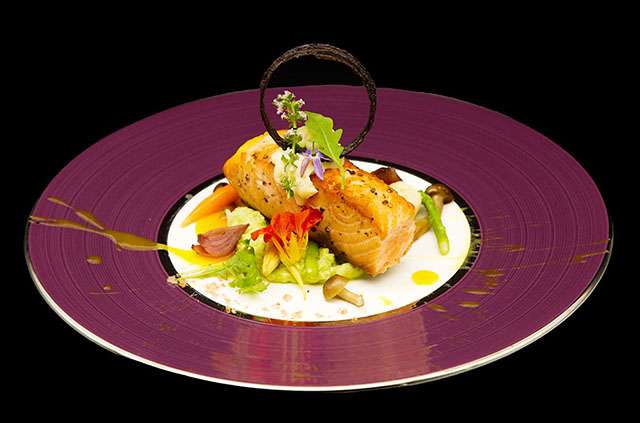
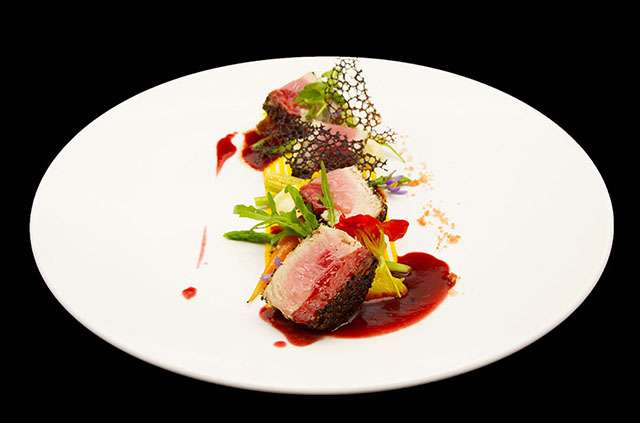
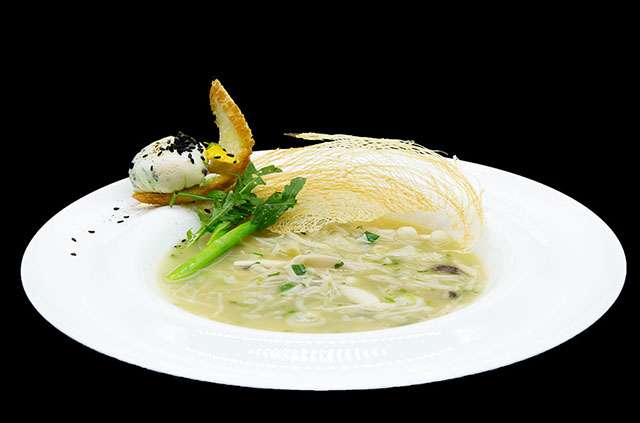
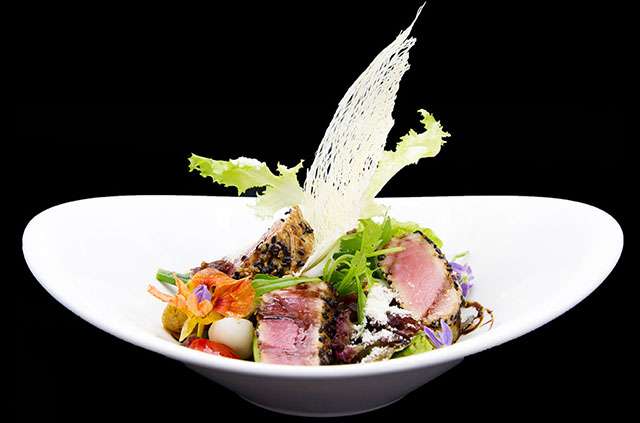
Vietnamese coffee pairs naturally with the cuisine served at Duong Restaurant Saigon, where French and Vietnamese influences converge. A robust cup of cà phê đen cuts through the richness of a tuna steak, while the sweetness of cà phê sữa đá complements the spice of beef noodle broth. Mushroom soup, a house specialty, gains depth when followed by a small glass of iced coffee as a palate cleanser.
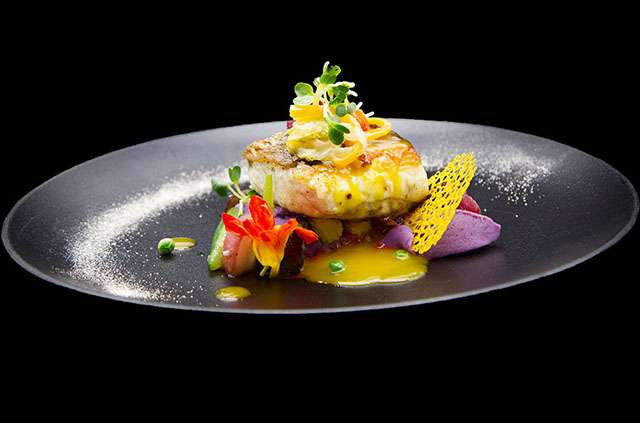
The restaurant's menu, accessible through the Duong drink selection, lists several coffee options alongside fruit drinks and teas. Diners seeking a lighter pairing can opt for a Vietnamese iced milk coffee with a fresh salad, while those exploring richer flavours might choose an egg coffee alongside a seafood course.
A few practical tips help Australians recreate the pairing at home:
- Brew coffee strong and serve it short, mimicking Vietnamese serving sizes.
- Use condensed milk sparingly for newcomers, adjusting sweetness gradually.
- Pair coffee with lightly spiced dishes such as grilled fish, spring rolls, or herbed salads.
- Avoid serving coffee immediately after extremely hot or sour dishes to let the palate reset.
Savoring Vietnamese Coffee at Duong Restaurant Saigon
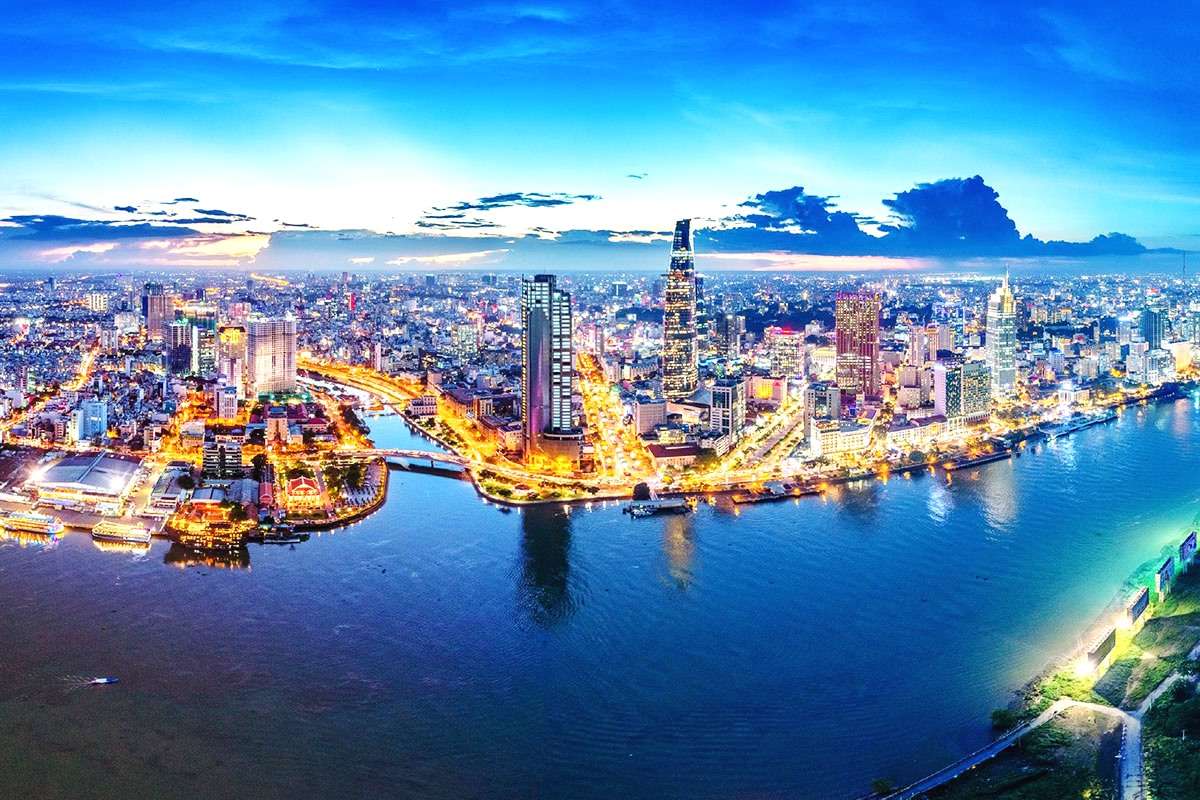
Duong Restaurant Saigon invites diners to experience Vietnamese coffee culture in the heart of District 1. The restaurant's team serves phin-brewed coffee alongside its chef-curated menu, allowing guests to extend a meal with a slow, reflective cup. The setting, on Dong Du Street, places visitors near several of Ho Chi Minh City's historic landmarks and walking routes, making the venue a natural pause point between sightseeing stops.
Reservations are recommended for diners planning a full evening or those wishing to time their coffee experience around sunset on the terrace. Groups can arrange private gatherings through the event reservation page, which provides options for set menus, beverage pairings, and customised seating.
A short list of Vietnamese coffee drinks worth sampling at Duong includes cà phê sữa đá for first-time visitors, cà phê trứng for those with a sweet tooth, and cà phê dừa for warm Saigon afternoons. Each cup offers a small window into a tradition that has endured for more than a century, one that continues to evolve while keeping its essential character intact.