A Guide to Saigon’s Notre-Dame Cathedral and Duong Restaurant
Duong Restaurant Saigon’s Guide to Visiting Saigon’s Notre-Dame Cathedral begins with an appreciation of place. The cathedral, formally known as Saigon Notre-Dame Cathedral Basilica, stands in the heart of District 1, surrounded by historic streets, shaded parks, and some of Ho Chi Minh City’s best-known landmarks.
Built during the French colonial period, the cathedral is recognized for its red-brick exterior, symmetrical bell towers, arched windows, and calm position beside Paris Commune Square. It remains one of the city’s most photographed sights, although restoration work and changing access arrangements mean visitors should check current conditions before planning an interior visit.
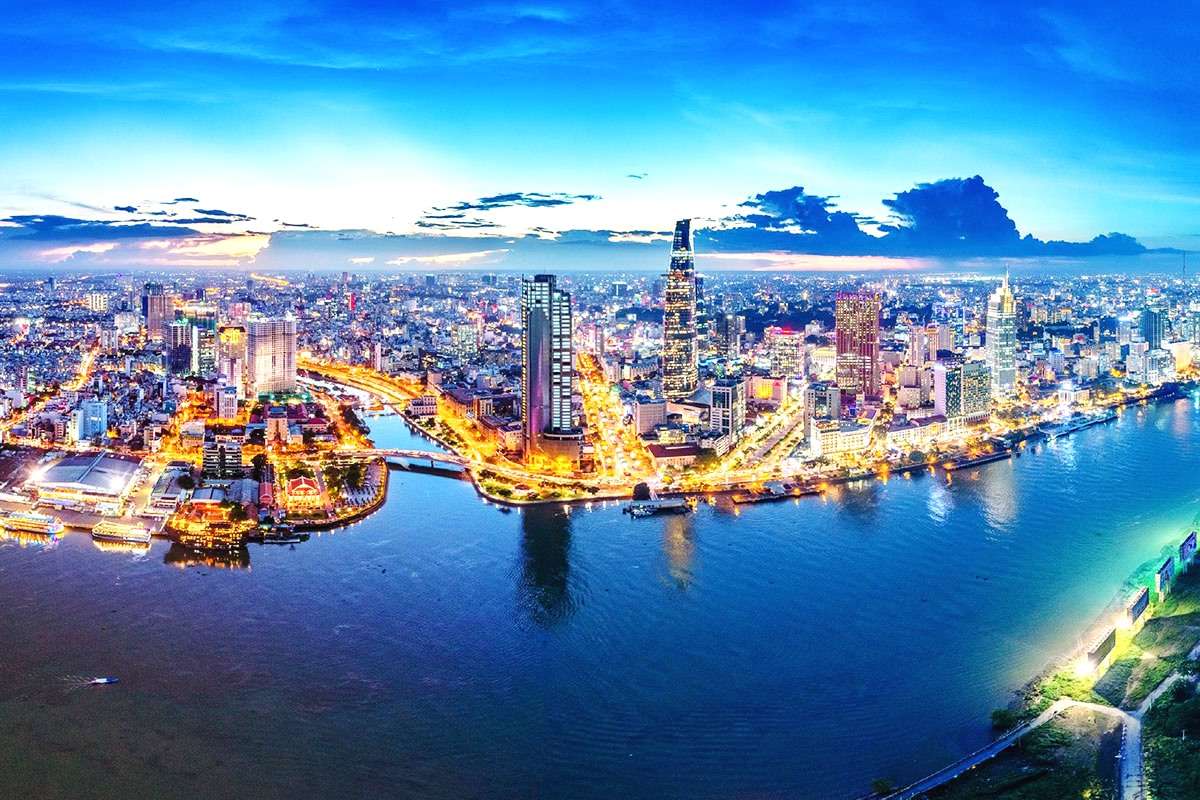
A visit fits easily into a day of sightseeing, especially for guests staying or dining near Dong Du Street. Combining the cathedral with the Central Post Office, Nguyen Van Binh Book Street, and a refined Vietnamese-French meal creates an enjoyable route through old and contemporary Saigon.
Finding The Cathedral In District 1
Saigon Notre-Dame Cathedral is located at Cong Xa Paris in District 1, close to the Central Post Office and the Reunification Palace. Its central position makes it convenient to reach by taxi, ride-hailing service, or on foot from many hotels along Dong Khoi, Le Thanh Ton, and Dong Du streets.
From Duong Restaurant Saigon on Dong Du Street, the cathedral is a manageable walk for visitors comfortable with the city’s heat and traffic. The route passes elegant hotels, cafés, galleries, and busy intersections, offering a quick glimpse of the contrast between colonial architecture and modern urban life.
The square around the cathedral is especially attractive early in the morning, when the air is cooler and the light is soft. Late afternoon can also be pleasant, while midday is better suited to a shorter visit followed by a cool drink or a leisurely lunch.
Understanding The Landmark
Construction of the cathedral began in the late nineteenth century, and many of its building materials were brought from France. The distinctive red bricks, tall façade, and twin towers give the structure a visual character that differs from many Southeast Asian churches.
The cathedral is a place of worship as well as a heritage attraction. Visitors should dress respectfully, keep voices low, and avoid treating religious services as photo opportunities. If the doors are open, look for quiet details such as the vaulted interior, stained glass, devotional statues, and patterned tilework.
Access can vary during restoration or religious observances. The exterior remains rewarding even when the interior is closed, and the surrounding square provides excellent views of the building’s proportions. Photography is best kept discreet, particularly when worshippers are present.
Pairing The Cathedral With Nearby Sights
The Central Post Office stands directly across from the cathedral and is one of the easiest sights to add to the same walk. Its grand interior, high ceiling, old maps, and arched windows reflect the architectural legacy of the French colonial era while remaining a working public service space.
Nguyen Van Binh Book Street is nearby and offers a quieter change of pace, with bookshops, small cafés, and shaded seating. Visitors interested in the city’s history can also continue toward the Reunification Palace or explore the wider selection of Ho Chi Minh attractions before returning to the center for dinner.
For travelers planning a longer stay, the cathedral can serve as one stop in a broader itinerary. A separate excursion to the underground wartime network is possible with this Cu Chi Tunnels guide, while the central walking route is better suited to a relaxed half-day.
Planning A Comfortable Visit
The best time to see the cathedral depends on the experience you want. Early morning is suitable for quieter photographs and cooler temperatures, while the golden light before sunset brings out the texture of the red brick. Sundays and feast days may be busier because of religious services.
Comfortable walking shoes are useful because the surrounding attractions are close but separated by active roads and uneven pavements. Carry drinking water, use sun protection, and allow extra time when crossing streets. Traffic in District 1 is energetic, so visitors should cross patiently and follow local pedestrian signals where available.
| Visit element |
Practical approach |
| Best light |
Early morning or late afternoon |
| Nearby landmark |
Central Post Office |
| Suggested duration |
30–60 minutes outside, longer if open |
| Clothing |
Cool, respectful, and suitable for walking |
| Transport |
Walk, taxi, or ride-hailing service |
| Dining connection |
Continue along Dong Du Street to Duong Restaurant Saigon |
Turning Sightseeing Into A Dining Experience
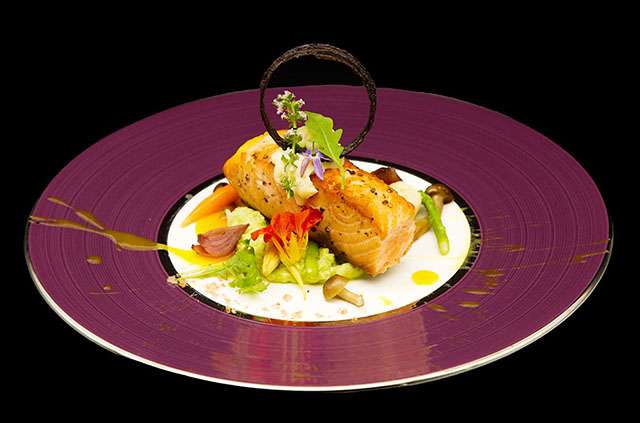
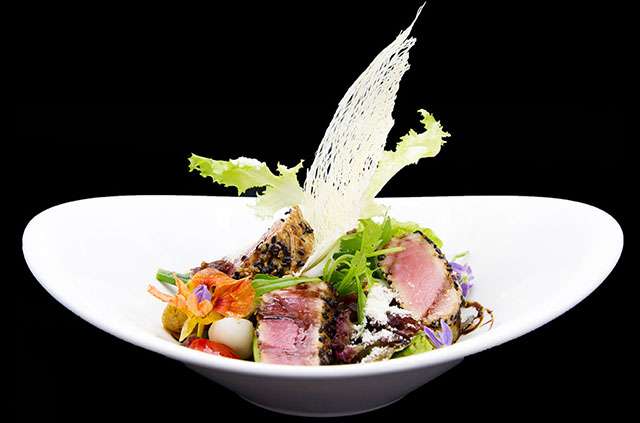
After exploring the cathedral, Dong Du Street provides a natural route toward Duong Restaurant Saigon. The restaurant’s cozy atmosphere offers a welcome pause from the busy streets, with chef-led dishes that draw on Vietnamese ingredients and French culinary technique.
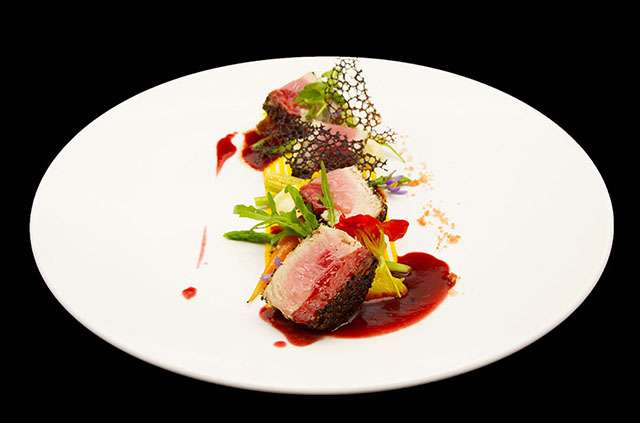
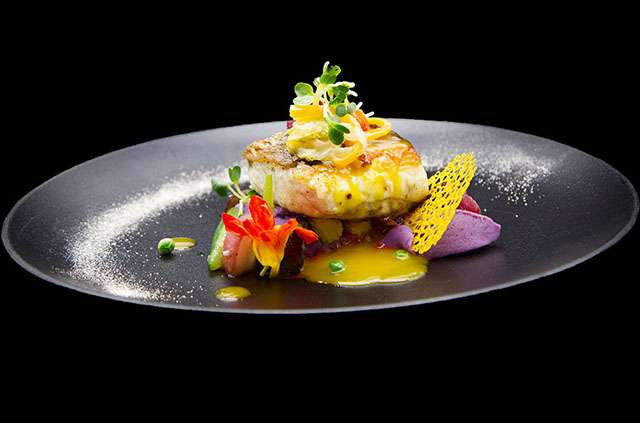
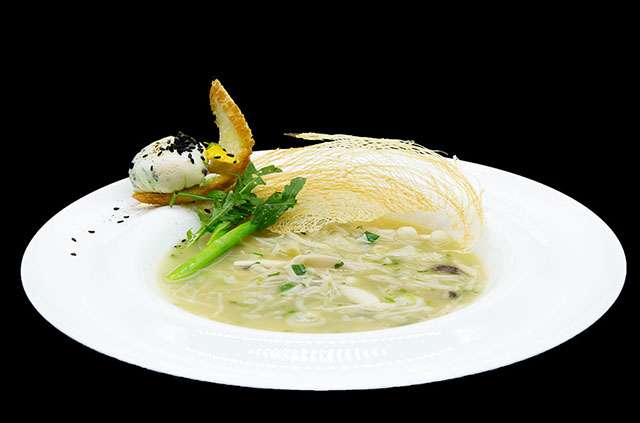
A meal can begin with a light salad or a warm mushroom soup before moving to seafood, tuna steak, rice noodle beef rolls, or another Vietnamese-inspired specialty. The menu is designed to show how familiar local flavors can be presented with the detail and balance associated with fine dining.
Guests curious about the restaurant’s kitchen philosophy can learn how it creates its velvety mushroom soup. This kind of carefully prepared dish makes a particularly comforting choice after a warm afternoon of walking through central Saigon.
Respecting The Cathedral And Its Setting
The cathedral is both a historic landmark and an active religious site, so thoughtful behavior makes the visit more meaningful. Avoid blocking entrances, climbing on architectural features, or using flash photography around services. Keep conversations quiet and follow any instructions from church staff.
The surrounding square also deserves care. Do not leave litter, disturb planted areas, or crowd other visitors who are taking photographs. A slower approach allows time to notice the cathedral’s brickwork, the shade of the trees, and the changing rhythm of the neighborhood.
A Simple Visit Checklist
A little preparation keeps the experience smooth without making the day feel over-scheduled. Keep the route flexible, since weather, restoration work, and church activities can affect access.
- Check current opening and service information before visiting.
- Wear comfortable shoes and bring water.
- Combine the cathedral with the Central Post Office and Book Street.
- Dress respectfully if you hope to enter the church.
- Reserve a table at Duong Restaurant Saigon for a relaxed meal afterward.
The cathedral is easy to appreciate from the outside, so a limited interior schedule does not need to change the entire plan. A short visit, a nearby architectural walk, and a carefully prepared dinner can express several sides of Saigon in one afternoon.
Make Saigon Notre-Dame Cathedral part of your District 1 itinerary, then continue along Dong Du Street for an elegant dining experience at Duong Restaurant Saigon. Reserve your table and let a day of heritage, culture, and Vietnamese-French cuisine unfold at an unhurried pace.