Duong Restaurant Saigon’s Influence on Saigon’s Fine Dining Culture
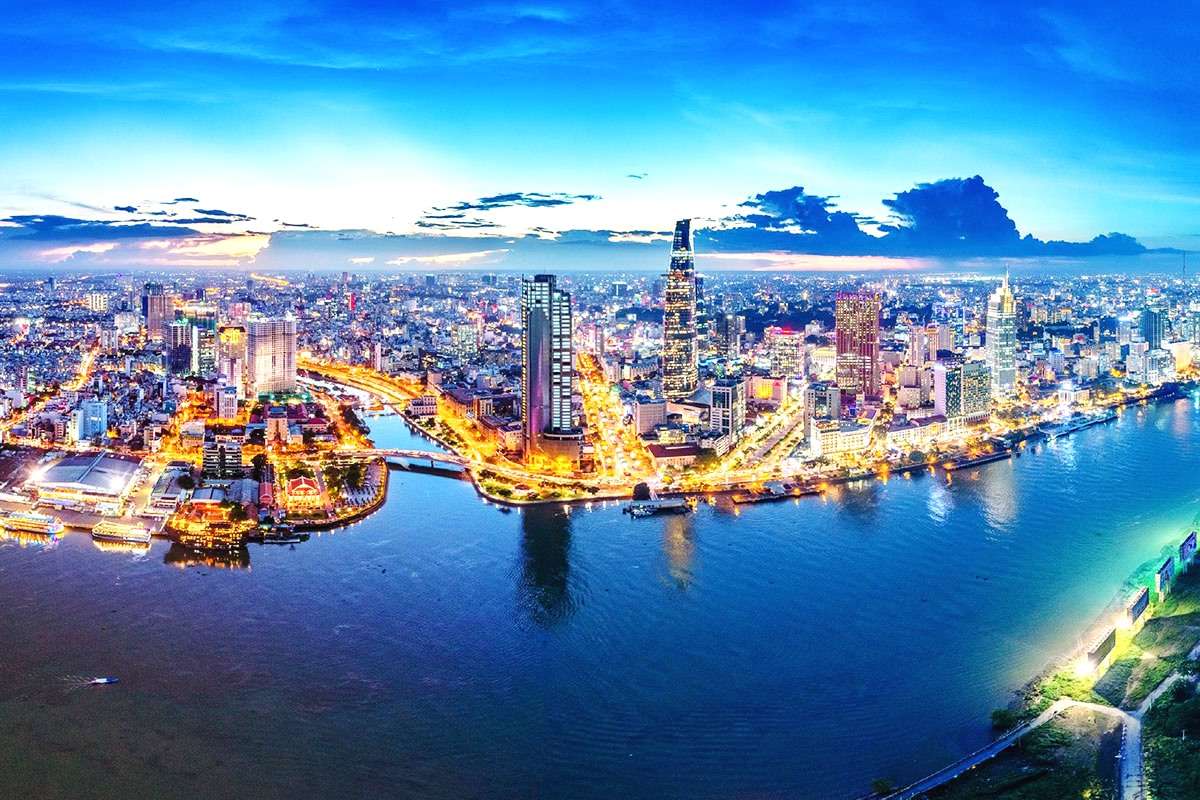
Saigon’s dining scene has developed into a lively meeting point for Vietnamese culinary heritage, international technique, and modern hospitality. In District 1, restaurants are increasingly expected to offer more than attractive plates. They must create a complete experience shaped by ingredients, service, atmosphere, and a clear sense of place.
Duong Restaurant Saigon contributes to this movement from its location on Dong Du Street. Its chef-led menu combines Vietnamese inspiration with French-influenced presentation, allowing familiar flavors to appear in a more refined setting. The result reflects how fine dining in Ho Chi Minh City is becoming more personal, locally grounded, and accessible to both residents and visitors.
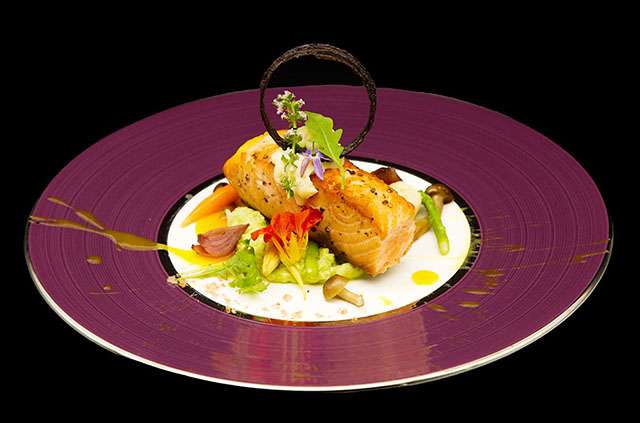
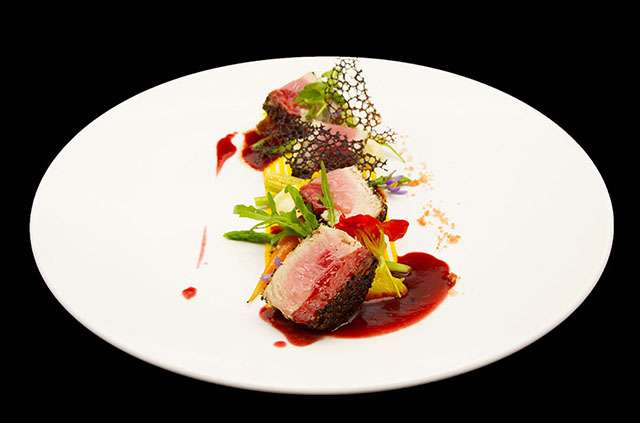
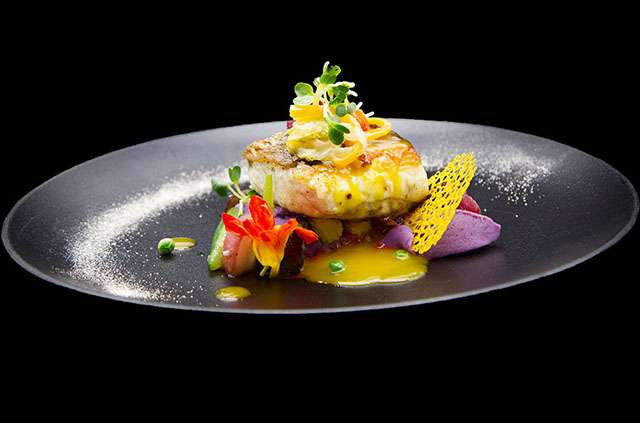
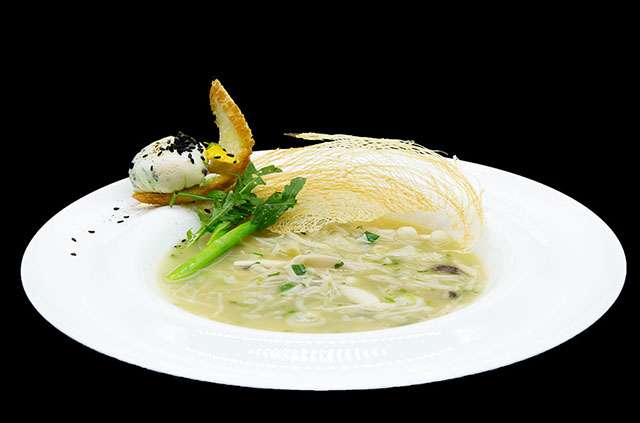
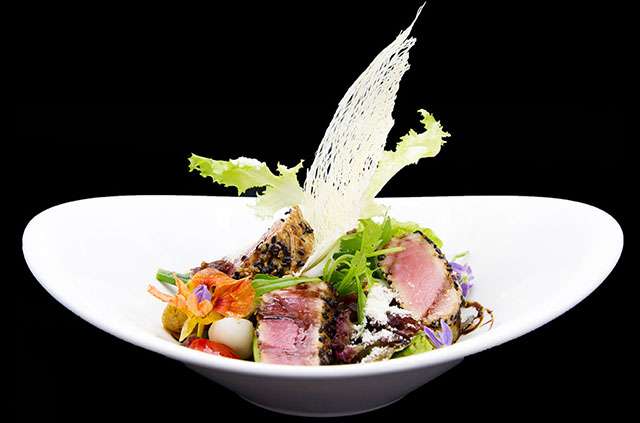
Rather than treating Vietnamese cuisine as a fixed tradition, the restaurant presents it as an evolving language. Rice noodle beef rolls, seafood, tuna steak, mushroom soup, salads, and other dishes can sit within the same dining experience while retaining connections to local taste and regional produce.
A Chef-Led Approach To Vietnamese Flavors
One of the restaurant’s most visible contributions is its emphasis on chef-led dining. This approach gives the menu a point of view instead of presenting a long list of disconnected choices. Guests encounter dishes selected and developed around balance, texture, seasonality, and the relationship between Vietnamese ingredients and European culinary methods.
French influence can be seen in the attention to composition, sauces, cooking precision, and presentation. However, the food remains connected to Saigon through its flavor direction. Fresh herbs, seafood, noodles, vegetables, and familiar savory notes help prevent the experience from becoming generic international fine dining.
This balance is important for the city’s restaurant culture. It demonstrates that a refined meal does not need to abandon local identity. Vietnamese cuisine can be polished without losing the warmth, fragrance, and generosity that make it distinctive.
Local Identity In A Global Dining District
Dong Du Street places the restaurant within one of District 1’s most active hospitality areas. The neighborhood attracts business travelers, tourists, expatriates, and local diners seeking special occasions or a comfortable evening meal. A restaurant in this setting has a role in introducing visitors to Vietnamese food while also meeting international expectations for quality and service.
Duong Restaurant Saigon responds to this audience through a menu that is recognizable enough for first-time visitors yet distinctive enough to offer discovery. A tuna steak or salad may feel familiar to international guests, while Vietnamese seasoning, ingredients, and presentation provide a local signature.
This combination supports Saigon’s growing reputation as a destination for culinary travel. Fine dining becomes a bridge between cultures: visitors can enjoy an elegant setting while learning about the city through its food. Local diners, meanwhile, see Vietnamese ingredients represented in a contemporary format that feels appropriate for celebrations, business meals, and relaxed evenings.
Seasonal Ingredients And Contemporary Craft
Modern Vietnamese fine dining depends heavily on ingredient quality. Seafood must be handled carefully, vegetables need freshness, and sauces should support rather than conceal the main components. The restaurant’s focus on carefully prepared dishes places these details at the center of the experience.
Its approach also reflects a wider interest in seasonality. Exploring the role of produce throughout the menu, seasonal ingredients can show how changing availability influences flavor, freshness, and creative direction. This mindset encourages diners to see Vietnamese cooking as connected to farms, markets, coastal waters, and the rhythm of the year.
| Dining Element |
Duong Restaurant Saigon’s Expression |
Wider Cultural Influence |
| Ingredients |
Seafood, herbs, vegetables, noodles, and quality proteins |
Greater appreciation for local produce |
| Technique |
Vietnamese flavor foundations with French-inspired refinement |
More confidence in culinary experimentation |
| Presentation |
Carefully composed plates in a cozy setting |
Higher expectations for visual detail |
| Service |
Attentive, hospitality-focused dining |
A stronger link between food and guest experience |
| Menu style |
Chef-led selection with varied contemporary dishes |
A more individual identity for Saigon restaurants |
By treating ingredients as part of the story, the restaurant participates in a shift away from standardized luxury dining. The experience feels rooted in Saigon while still speaking to global culinary standards.
Hospitality That Makes Fine Dining Approachable
Fine dining culture is shaped by atmosphere as much as by technique. Duong Restaurant Saigon’s cozy setting creates a softer alternative to grand, formal dining rooms. Guests can enjoy carefully prepared food without feeling that the occasion must be overly ceremonial.
That atmosphere helps broaden the audience for elevated Vietnamese cuisine. A couple may visit for a romantic dinner, colleagues may meet over a business meal, and travelers may choose the restaurant as part of their exploration of District 1. Each occasion benefits from a setting that feels polished but welcoming.
The restaurant also recognizes that group dining requires thoughtful organization. Guests planning celebrations or shared meals can use this guide to plan a group dinner, including practical considerations that make a larger gathering more comfortable. This attention to occasion-based dining strengthens the connection between hospitality and community.
A Meeting Place For Culinary Exchange
Saigon’s fine dining culture grows through exchange. International chefs bring outside techniques, local cooks reinterpret familiar dishes, and diners become more curious about how food is prepared. Duong Restaurant Saigon belongs to this conversation by combining Vietnamese inspiration with a French-influenced culinary vocabulary.
This fusion is most effective when it respects both sides. French technique can add structure, precision, and elegance, while Vietnamese ingredients and seasoning preserve character. The resulting style is less about blending everything together and more about allowing different traditions to support one another on the plate.
Such dining experiences can influence expectations across the city. Guests begin to look for stronger narratives, more thoughtful sourcing, and menus that express a restaurant’s identity. In that sense, the restaurant’s influence extends beyond its own dining room: it helps reinforce the idea that Saigon cuisine can be sophisticated, creative, and internationally relevant.
What Diners Can Expect From The Experience
Visitors looking for a contemporary Vietnamese meal can expect several defining qualities:
- A chef-led menu shaped by Vietnamese ingredients and French culinary technique
- Refined dishes such as rice noodle beef rolls, seafood, tuna steak, mushroom soup, and salads
- A cozy District 1 setting suited to dates, business meals, celebrations, and travel dining
- Attentive service that supports a relaxed yet elevated occasion
- A menu that connects local flavors with international fine dining standards
These qualities explain why the restaurant fits naturally into Saigon’s evolving food culture. It does not rely solely on novelty. Instead, it builds its identity through consistency, ingredient awareness, thoughtful presentation, and a clear connection to the city.
For travelers, dining at Duong Restaurant Saigon can also complement a wider visit to Ho Chi Minh City. A meal on Dong Du Street offers a chance to experience Vietnamese food in a contemporary context while remaining close to the history, energy, and attractions of District 1.
Reserve a table at Duong Restaurant Saigon to experience how Vietnamese flavor, French-inspired technique, and warm Saigon hospitality come together in one memorable fine dining setting.