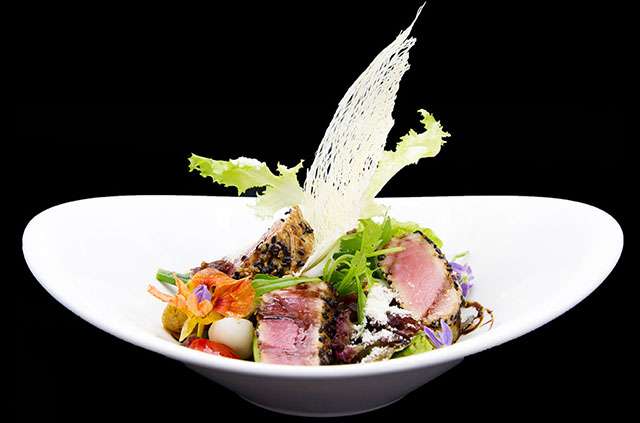
Duong Restaurant Saigon’s Take on Classic French Onion Soup
French onion soup is a study in patience. Its familiar ingredients—onions, stock, bread, and cheese—become memorable only when each one is handled with care. The onions must soften slowly, the broth needs depth, and the topping should add richness without overwhelming the bowl.
At Duong Restaurant Saigon, this French bistro classic fits naturally into a wider culinary language shaped by Vietnamese ingredients, French technique, and the polished rhythm of fine dining in District 1. The result is best understood as a thoughtful interpretation rather than a heavy copy of a traditional brasserie recipe.
The restaurant’s cozy setting gives a dish like this room to shine. It can begin a leisurely meal, warm the palate before seafood or tuna steak, or provide a savory pause between lighter salads and more substantial Vietnamese-inspired dishes.
A French Classic With Saigon Character
Traditional onion soup is often associated with the covered crock, bubbling cheese, and deeply caramelized onions beneath the surface. Its appeal comes from contrast: sweet vegetables, salty stock, crisp bread, and a creamy layer of melted cheese in every spoonful.
A Saigon interpretation can preserve that comforting structure while creating a lighter, more nuanced experience. The balance matters. Rather than allowing the cheese or salt to dominate, a chef-led kitchen can highlight the fragrance of the onions and the character of the broth, making the soup suitable for a refined multi-course dinner.
The Flavor Begins With Patiently Cooked Onions
The defining stage is caramelization. Thinly sliced onions need time to release moisture and develop a deep golden color. Rushing this process can leave them sharp or watery, while careful cooking builds layers of sweetness, toastiness, and gentle savoriness.
This technique also connects with Vietnamese cooking, where slow development of aroma is central to many broths, sauces, and braised dishes. A French onion soup prepared with that same attention can feel familiar to international diners while still reflecting the precision expected from a Saigon restaurant.
Broth, Bread, And Cheese In Balance
A successful bowl depends on proportion. The stock should support the onions instead of masking them, with enough body to make the soup satisfying but not so much intensity that it becomes tiring. A clean, aromatic broth allows each spoonful to finish with warmth rather than heaviness.
The bread and cheese provide the final texture. Toasted bread introduces structure, while melted cheese adds a savory, silky finish. In a fine-dining setting, the topping can be carefully measured so that it melts evenly and complements the soup instead of forming an oversized blanket across the bowl.
| Element |
Classic French Expression |
Duong-Inspired Direction |
| Onions |
Deeply caramelized and sweet |
Fragrant, balanced, and carefully softened |
| Broth |
Rich beef or poultry stock |
Layered stock with a cleaner finish |
| Bread |
Rustic toasted slice |
Crisp accompaniment sized for elegant bites |
| Cheese |
Generous melted topping |
Savory richness kept in proportion |
| Overall character |
Hearty brasserie comfort |
Refined French technique with Saigon sensibility |
A Lighter Rhythm For A Multi-Course Meal
French onion soup is sometimes treated as a substantial dish, but it can also work beautifully as a composed starter. A moderate serving prepares the palate without competing with the courses that follow. Its warmth is especially inviting after exploring the busy streets and tropical air of Ho Chi Minh City.
That flexibility makes it a natural part of a restaurant menu featuring seafood, salads, mushroom soup, rice noodle beef rolls, and other Vietnamese-inspired selections. Guests can choose a meal that moves between French comfort and local flavors without feeling divided into separate culinary worlds.
From Dong Du Street To Cultural Saigon
Dining on Dong Du Street places the restaurant close to some of District 1’s most recognizable cultural and architectural landmarks. A bowl of onion soup can become part of a broader evening that includes a relaxed walk, historic sites, and the layered atmosphere of central Ho Chi Minh City.
For visitors planning a cultural route, the Jade Emperor Pagoda guide offers useful context for experiencing one of the city’s distinctive spiritual landmarks. Returning to a calm dining room afterward creates a pleasing contrast between incense-filled heritage spaces and the polished comfort of a French-influenced meal.
The Chef-Led Approach At Duong
A chef-led menu gives classic dishes room to evolve according to season, ingredient quality, and the character of the restaurant. That approach is particularly valuable with a simple recipe, because there are few elements to hide behind. Every decision—from the onion cut to the final garnish—can affect the finished bowl.
Duong’s restaurant story reflects a focus on Vietnamese and French culinary exchange, high-quality food, and attentive service. Those values suit onion soup well: it is humble in origin, yet it rewards discipline, restraint, and a clear understanding of how flavors should progress.
How To Enjoy The Soup At Its Best
The best way to appreciate this style of French onion soup is to pay attention to its sequence. Taste the broth first, then combine onion, bread, and cheese in a single spoonful. Notice how sweetness, salt, toasted grain, and savory depth meet before the finish becomes heavy.
A few dining choices can help the dish remain part of a balanced evening:
- Order it as a starter when planning a meal with seafood or grilled protein.
- Pair it with a crisp salad for contrast in texture and freshness.
- Share it if you want to sample several Vietnamese-inspired dishes afterward.
- Allow time between courses so the changing flavors remain distinct.
- Match the soup with a beverage that refreshes the palate rather than adding excessive sweetness.
French onion soup works because it turns modest ingredients into a composed experience. At Duong Restaurant Saigon, that familiar comfort can become a graceful meeting point between French culinary heritage and the energetic food culture of Ho Chi Minh City. Reserve a table and make it part of an evening built around thoughtful dishes, attentive service, and the flavors of Saigon.