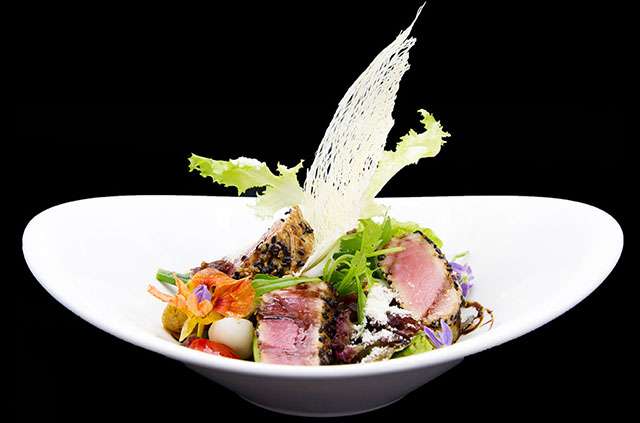
Duong Restaurant Saigon’s Take on the Traditional Vietnamese Salad
Vietnamese salad is built around contrast. Crisp vegetables meet fragrant herbs, savory protein, roasted peanuts, and a dressing that balances sweetness, acidity, salt, and chili. Known locally as gỏi, this style of salad can be light enough for a warm afternoon while still offering the depth expected from a complete dish.
At Duong Restaurant Saigon, the traditional Vietnamese salad becomes an opportunity to bring familiar ingredients into a refined dining setting. The approach respects the freshness and liveliness of Vietnamese food while allowing careful presentation, measured seasoning, and French-inspired attention to detail.
Located on Dong Du Street in District 1, the restaurant provides a comfortable setting for discovering Vietnamese cuisine through a chef-led menu. Its salad style fits naturally alongside seafood, rice noodle beef rolls, tuna steak, soups, and other dishes shaped by local flavors.
The Balance Behind Vietnamese Salad
A good Vietnamese salad rarely depends on one dominant ingredient. Its appeal comes from several small contrasts working together: crunchy vegetables, tender meat or seafood, aromatic herbs, and a dressing with enough acidity to make every component feel brighter.
The dressing is often based on fish sauce, lime juice, sugar, garlic, and chili. This familiar combination can be adjusted for a more elegant restaurant presentation, with the saltiness softened and the citrus made more pronounced. The result should remain distinctly Vietnamese without overwhelming the natural character of the produce.
Texture is equally important. Julienned green papaya, shredded carrot, cucumber, lotus stem, cabbage, or banana blossom each contribute a different kind of crunch. Toasted peanuts and fried shallots add a deeper note, while herbs such as mint, Vietnamese coriander, and Thai basil bring a fresh, almost floral finish.
Local Ingredients With A Refined Touch
Traditional Vietnamese salads often reflect what is abundant and appealing in local markets. Green papaya provides a clean, crisp base, while lotus stem has a delicate crunch and subtle sweetness. Pomelo creates juicy bursts of citrus, and banana blossom offers a more earthy character.
A contemporary plate may arrange these ingredients with greater precision than a casual street-side serving. Instead of mixing everything heavily, a chef can preserve distinct colors and textures, allowing diners to experience the ingredients individually before combining them with the dressing.
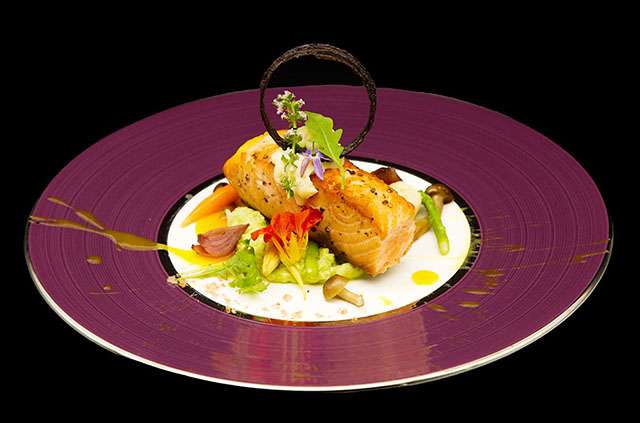
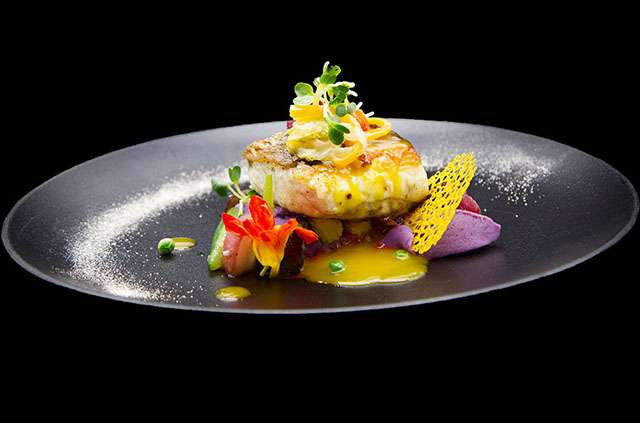
This is where a Vietnamese and French fusion perspective can be useful. Fine knife work, restrained seasoning, composed plating, and a carefully reduced dressing may give the dish a polished appearance while preserving its original brightness. The technique changes the presentation, not the spirit of the salad.
Protein That Complements The Greens
Vietnamese salad can be served as a vegetable-centered dish, but protein often gives it greater depth. Shrimp, grilled beef, shredded chicken, seared tuna, or delicate seafood can turn a refreshing starter into a more substantial course without making it heavy.
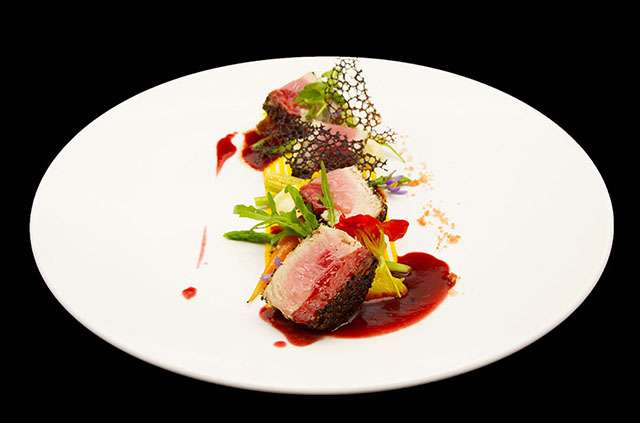
Seafood works especially well with citrus and herbs. Shrimp brings sweetness, while tuna offers a firmer texture and a richer flavor that can stand up to chili, lime, and aromatic greens. Beef adds a savory grilled quality, particularly when paired with roasted rice powder, fried shallots, or a slightly smoky dressing.
The key is proportion. The protein should support the vegetables rather than dominate them. A well-composed Vietnamese salad lets the diner taste the freshness of the herbs and dressing first, then discover the savory character of the main ingredient.
Comparing Traditional And Contemporary Presentations
The following differences show how the same Vietnamese salad principles can move from a casual local dish to a fine dining course.
| Element |
Traditional Vietnamese Style |
Refined Restaurant Interpretation |
| Main produce |
Green papaya, lotus stem, cabbage, herbs, or banana blossom |
Carefully selected seasonal vegetables with precise cutting |
| Dressing |
Fish sauce, lime, sugar, garlic, and chili |
Balanced vinaigrette with a clean, measured finish |
| Protein |
Shrimp, beef, chicken, pork, or seafood |
Seared, grilled, or delicately prepared protein |
| Texture |
Peanuts, fried shallots, crispy vegetables |
Layered crunch with controlled portions and plating |
| Presentation |
Mixed together for easy sharing |
Composed arrangement that highlights each ingredient |
| Dining experience |
Casual, lively, and generous |
Calm, polished, and suitable for a multi-course meal |
The distinction is less about replacing tradition and more about emphasizing it. A refined version can make the ingredients easier to appreciate by giving each one space on the plate. The familiar flavors remain recognizable, while the pace and setting encourage closer attention.
For visitors exploring the city, this style of dish can also provide a useful starting point. A guide to Ho Chi Minh City dining helps place Vietnamese salads within the wider food culture, from market snacks and noodle dishes to carefully prepared restaurant cuisine.
How To Enjoy The Dish At The Table
A Vietnamese salad is often best enjoyed in stages. Start with a small bite of the vegetables and herbs, then try the same combination with the protein and dressing. This makes the changes in texture and seasoning easier to notice.
The dish can work as a first course before richer flavors such as tuna steak or seafood. Its acidity refreshes the palate, while the herbs create a bridge between lighter vegetable flavors and more savory dishes. When shared, the salad can also add contrast to rice, noodles, grilled meats, or soup.
At a fine dining restaurant, presentation and service influence the experience as much as the ingredients. A relaxed table, thoughtful pacing, and clear explanation of the dish can help diners understand how each component contributes to the whole.
Choosing A Memorable Vietnamese Salad Experience
When seeking this style of cuisine in Ho Chi Minh City, several details can help identify a well-executed dish:
- Look for a dressing that balances lime, fish sauce, sweetness, garlic, and chili rather than emphasizing only one flavor.
- Choose salads with several textures, including crisp vegetables, tender protein, herbs, and a finishing crunch.
- Pay attention to the freshness of the herbs and produce, since they provide much of the dish’s character.
- Pair a lighter salad with seafood, noodles, or grilled dishes to create a balanced meal.
- Select a restaurant where presentation and service support the food without making it feel disconnected from Vietnamese tradition.
Duong Restaurant Saigon brings these principles into a cozy District 1 setting, where classic Vietnamese ingredients can be enjoyed with the care associated with fine dining. The restaurant’s full menu and reservation details are available through the Duong Restaurant Saigon website, making it convenient to plan a meal around seasonal dishes and chef-led specialties.
A traditional Vietnamese salad can be simple in appearance, yet it contains a carefully structured combination of flavor, aroma, and texture. At Duong Restaurant Saigon, that balance offers a graceful way to experience Vietnamese culinary identity through a more contemporary lens. Reserve a table on Dong Du Street and make the salad part of a broader meal inspired by the flavors of Saigon.