Duong Restaurant Saigon’s Wine Cellar: A Look At The Collection
Wine can change the pace and character of a meal. At Duong Restaurant Saigon, the cellar is best understood as part of the chef-led dining experience, bringing French restaurant tradition into conversation with Vietnamese ingredients, herbs, seafood and carefully prepared meats.
For Australian diners, that balance will feel familiar. People who enjoy a crisp Clare Valley Riesling with seafood or a structured Margaret River Cabernet with grilled beef may also appreciate how a well-chosen bottle responds to fish sauce, chilli, citrus, ginger and aromatic greens.
The collection should be viewed as a companion to the menu rather than a separate attraction. Availability can change with the season, so the most rewarding approach is to ask the restaurant team about current bottles, serving temperatures and pairings when booking or arriving on Dong Du Street.
Wine As Part Of Duong’s Dining Identity
Duong Restaurant Saigon presents a polished fusion of Vietnamese and French influences. That makes wine a natural fit: French culinary techniques provide a familiar foundation, while Vietnamese flavours add brightness, spice and savoury depth that can make pairing more interesting than a standard Western menu.
A wine cellar in this setting is less about collecting famous labels for display and more about supporting the full meal. A bottle may begin with a light appetiser, continue through seafood or tuna, and finish alongside a dessert, with the restaurant team adjusting the pour or recommending a second style when the menu changes direction.
Reading The Cellar Through Vietnamese Flavours
Vietnamese cuisine can be demanding for wine because sweetness, acidity, chilli, herbs and umami often appear together. High-alcohol reds can feel heavy beside fresh herbs and lime, while very delicate whites may disappear beside a richly seasoned sauce. Wines with freshness, moderate alcohol and a clean finish tend to offer greater flexibility.
For a first taste of the restaurant’s style, the rice noodle beef rolls provide useful pairing inspiration. Their combination of tender beef, rice noodles and Vietnamese aromatics calls for a wine that refreshes the palate without overpowering the dish.
Bottles, Glasses And Service
A thoughtful cellar usually serves several purposes: giving guests a choice of wines by the glass, offering bottles for a longer dinner, and providing styles that can move across different courses. The most useful categories to look for are aromatic whites, mineral-driven sparkling wines, elegant reds and gently sweet options for dessert.
Guests should check the current list rather than rely on a fixed online selection. Imported wine availability in Ho Chi Minh City can shift because of distributors, vintages, seasonal demand and storage requirements. Ask about the vintage, origin and recommended serving order; that small conversation often reveals how well the wine has been selected for the food.
Pairing Ideas For The Menu
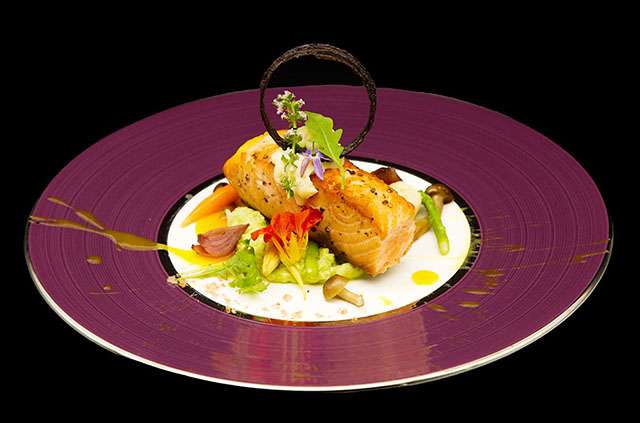
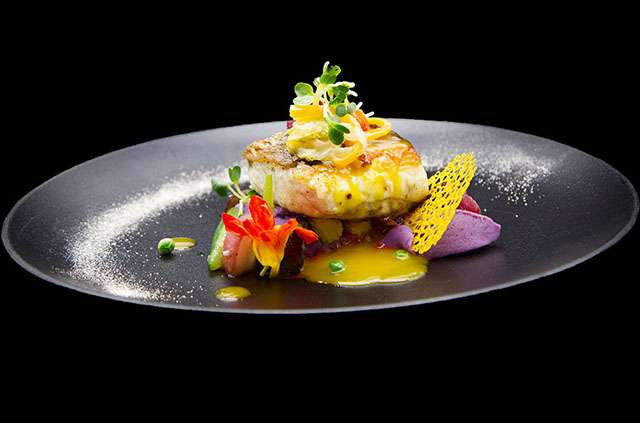
Seafood and salads generally suit bright, dry wines with refreshing acidity. Sauvignon Blanc, Pinot Grigio, dry Chenin Blanc or a lean Chardonnay can work with delicate textures, herbs and citrus-based flavours. Sparkling wine is also a useful choice when the table is sharing several starters.
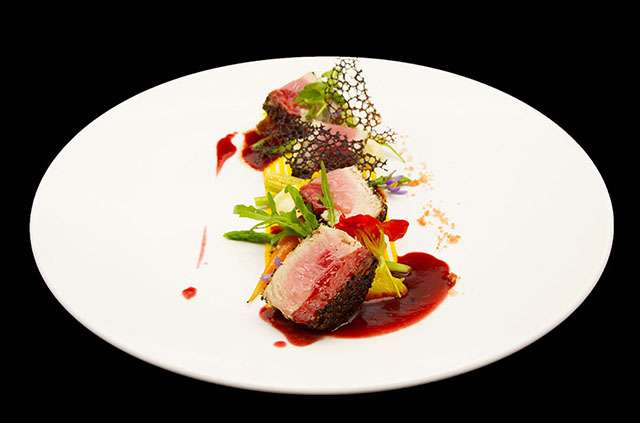
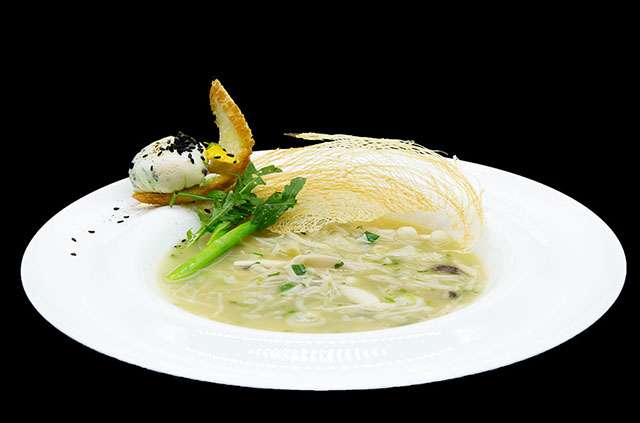
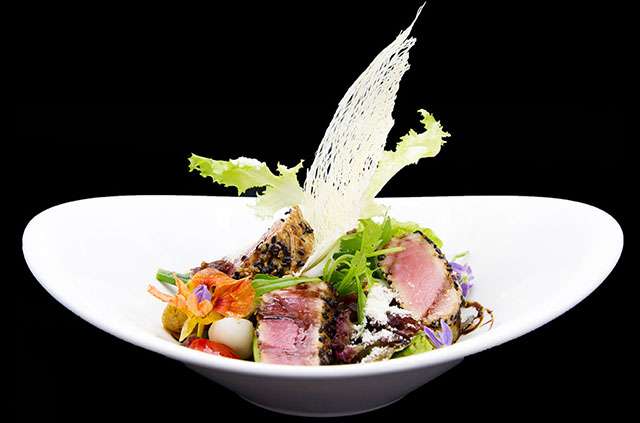
Tuna steak and beef dishes can move towards more structured bottles, although restraint remains valuable. Pinot Noir, lighter Cabernet blends or a medium-bodied Rhône-style red may complement savoury flavours without masking them. Mushroom soup often benefits from a textured white or an earthy red, depending on its creaminess and seasoning.
Dessert deserves its own consideration. The restaurant’s handcrafted desserts may call for a sweet wine with enough acidity to keep the finish lively. A dessert wine should be at least as sweet as the dish, otherwise it can taste thin or sharp beside caramel, fruit or chocolate.
A Useful Guide For Australian Diners
Australian wine culture gives visitors a helpful reference point when reading an unfamiliar list. Someone accustomed to ordering a Hunter Valley Semillon, Yarra Valley Pinot Noir or Tasmanian sparkling wine may recognise similar ideas in French and international bottles, even when the labels and regions are new.
| Food Or Occasion |
Wine Style To Consider |
Why It Works |
| Rice noodle beef rolls |
Fresh, aromatic white |
Cleanses the palate and supports herbs |
| Seafood or salad |
Dry sparkling or mineral white |
Matches delicate texture and citrus notes |
| Tuna steak |
Light to medium-bodied red |
Adds structure without excessive tannin |
| Mushroom soup |
Textured white or earthy red |
Complements savoury, umami flavours |
| Handcrafted dessert |
Balanced sweet wine |
Matches sweetness while retaining freshness |
Prices may also feel different from those in Sydney or Melbourne, where restaurant mark-ups and imported bottle costs can be substantial. Australian diners are used to checking whether a bottle offers value beside a well-priced local alternative, so asking about half-bottle, glass and bottle options is perfectly reasonable. A relaxed “What would you pour with this?” is often all that is needed.
The Dong Du Street Setting
Duong Restaurant Saigon’s location in District 1 places the dining room within easy reach of major hotels, shopping streets and historic attractions. That makes a wine-led dinner suitable after a day of walking, a business meeting or an evening exploring central Ho Chi Minh City.
Travellers planning a longer itinerary can pair dinner with cultural visits beyond the usual central landmarks. A Cao Dai Temple guide can help shape a day trip before returning to District 1 for a quieter meal and a bottle chosen from the cellar.
The atmosphere is designed to feel intimate and comfortable rather than loud or hurried. For Australians used to relaxed dining in a Melbourne laneway restaurant or a Sydney neighbourhood bistro, that balance of attentive service and unforced conversation can make the wine experience especially appealing.
Choosing A Bottle With Confidence
The best selection depends on the full table, not just one favourite grape. Consider the strongest flavours in the meal, the number of courses, the weather and whether the group prefers a refreshing or warming style.
- Begin with the dishes being shared, rather than choosing wine before seeing the menu.
- Ask whether the current glass pours are matched to seafood, beef or dessert.
- Choose lower-alcohol, high-acid wines when ordering herbs, chilli, lime and fresh salads.
- Select a medium-bodied red for tuna or beef instead of the biggest bottle available.
- Confirm the vintage, serving temperature and bottle size before ordering.
- Allow the sommelier or service team to suggest a local adjustment if a dish changes.
A humid Ho Chi Minh City evening can make a chilled white or sparkling wine particularly enjoyable. If the dinner is part of a special occasion, advance notice allows the restaurant to advise on current stock and prepare suitable glassware, decanting or a sequence of wines.
Reserve a table at Duong Restaurant Saigon and ask the team to guide you through the current wine cellar alongside the chef-led menu. With the right bottle, Vietnamese ingredients and French-influenced technique can create a considered dining experience well beyond a routine meal.