A Cultural Evening Around Duong Restaurant Saigon
Ho Chi Minh City rewards travelers who explore at a relaxed pace. A memorable evening can begin with a carefully prepared Vietnamese-French dinner and continue through historic streets, lively markets, colonial landmarks, and riverside viewpoints. In District 1, Duong Restaurant Saigon provides a convenient starting point for discovering the city after sunset.
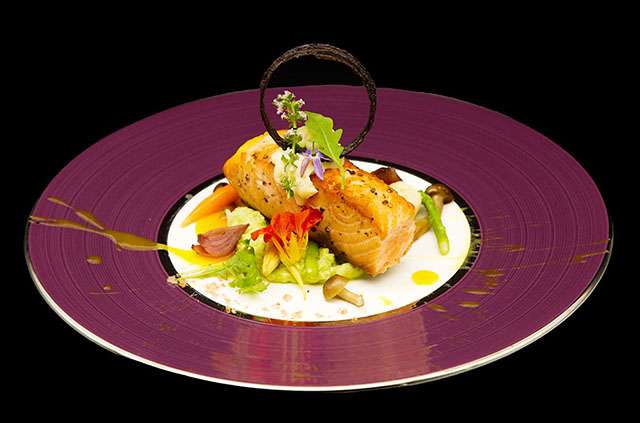
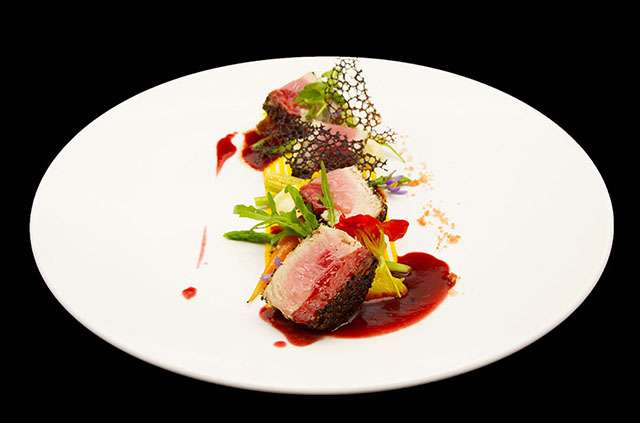
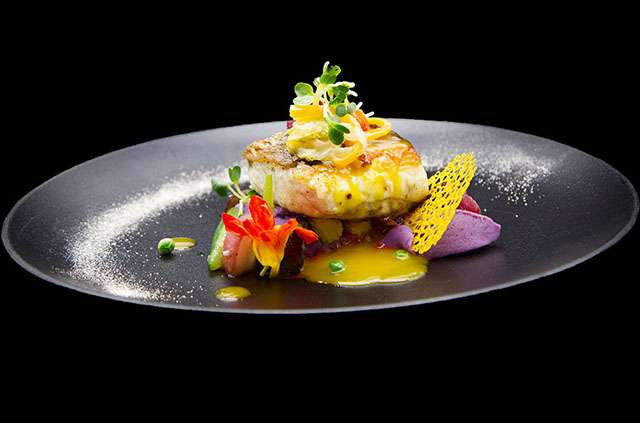
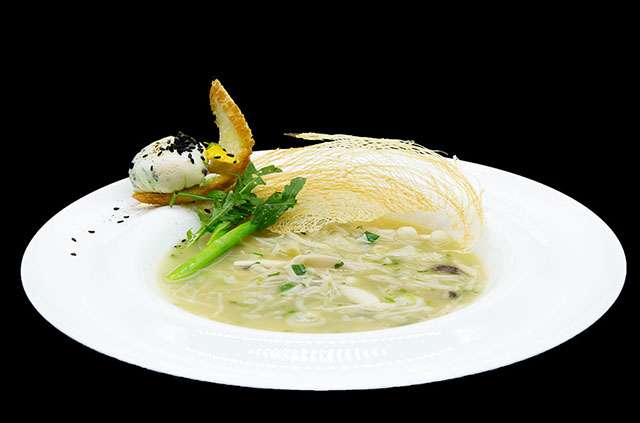
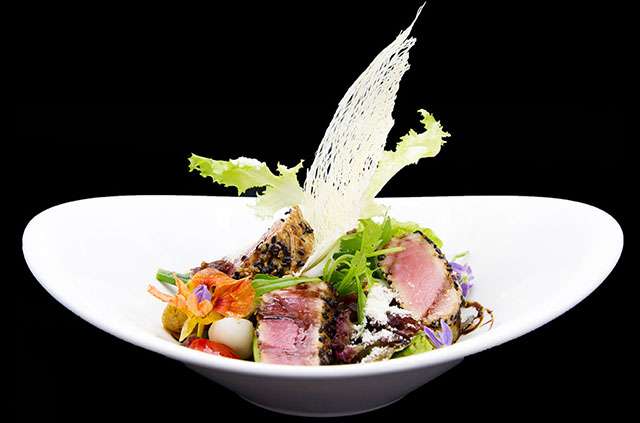
Located on Dong Du Street, the restaurant brings together chef-led Vietnamese-inspired cuisine, attentive service, and a cozy fine-dining atmosphere. Guests may encounter dishes such as rice noodle beef rolls, seafood, tuna steak, mushroom soup, and fresh salads, creating a meal that feels rooted in local flavors while remaining approachable for international diners.
Planning the evening around the restaurant also makes it easier to experience several Ho Chi Minh City attractions without spending too much time in traffic. Many central sights are close enough to reach on foot, while short rides can connect Dong Du with the city’s markets, museums, and nightlife areas.
Start With Dong Du Street
Dong Du Street sits in a lively part of District 1, close to the Saigon River, Nguyen Hue Walking Street, and several important architectural landmarks. Before dinner, visitors can stroll past boutique hotels, cafés, small shops, and galleries to get a sense of the neighborhood’s polished yet energetic character.
The restaurant’s intimate setting suits travelers who want a proper meal rather than a rushed stop between activities. Reviewing the Duong Restaurant Saigon website before arriving can help guests understand the dining style, explore photos, and find reservation information.
After dinner, Dong Du is especially pleasant when the heat begins to ease. Street lights reflect on shop windows, and the nearby avenues offer an easy transition from a quiet meal to an evening walk through central Saigon.
Walk Toward Nguyen Hue And The Opera House
The Saigon Opera House is one of the most recognizable French colonial buildings in the city. Its ornate façade becomes especially striking after dark, when the surrounding streets fill with visitors and the building’s details stand out against the modern skyline. From Dong Du Street, it is a comfortable walk for many diners.
Continue toward Nguyen Hue Walking Street, a broad pedestrian boulevard stretching toward the river. The promenade is popular with local families, young residents, photographers, and travelers. Street performers and illuminated buildings add movement to the area, while the open space offers a refreshing contrast to the dense traffic on surrounding roads.
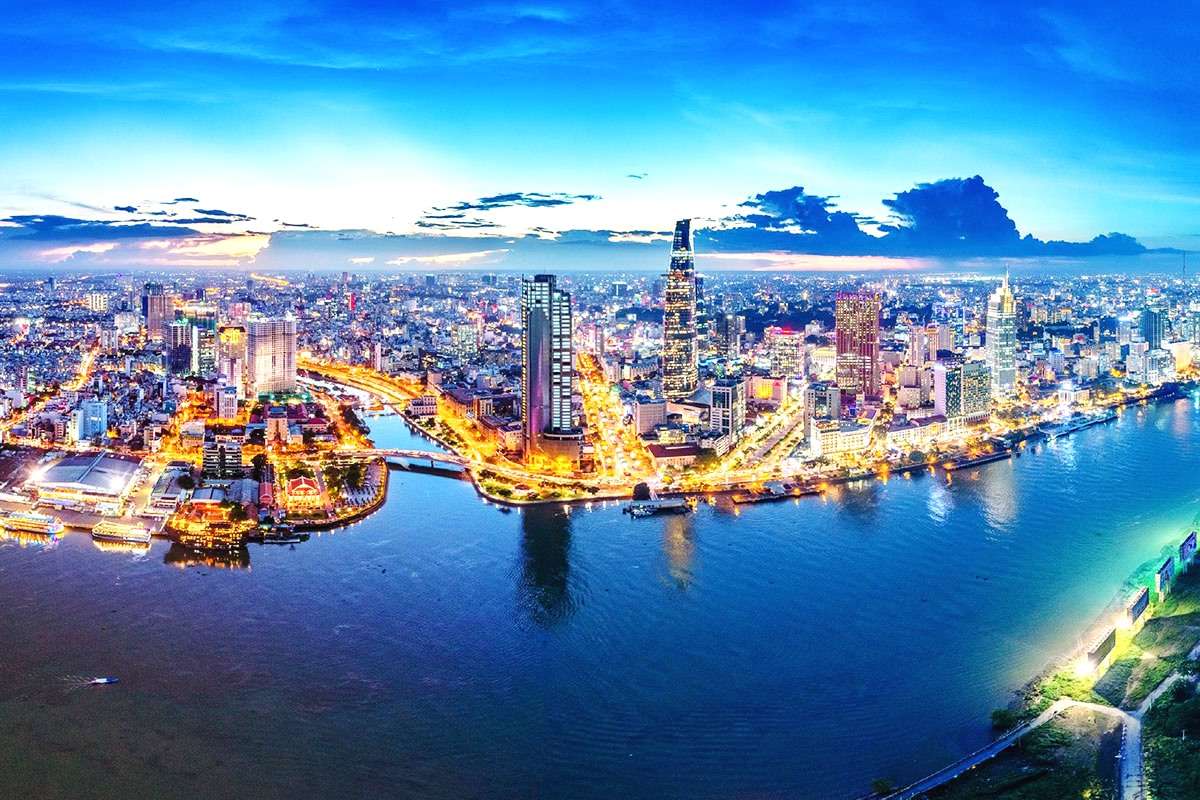
For a quieter view, walk toward the Bach Dang riverside park at the end of Nguyen Hue. The Saigon River, passing boats, and illuminated bridges create a scenic setting for photographs. It is also a useful place to pause before deciding whether to continue sightseeing or return to the hotel.
Discover Historic Landmarks By Night
Several heritage attractions are clustered around District 1. The Central Post Office, with its vaulted interior and elegant colonial design, is best visited during the day if you want to see its details clearly. However, its exterior remains a popular photo stop in the evening, particularly when the surrounding square is less crowded.
Nearby, the Notre-Dame Cathedral Basilica of Saigon is an important landmark, although restoration work may affect access and visibility. Travelers should check current conditions rather than planning the entire evening around entering the site. The Reunification Palace is another essential attraction, but its interior generally requires a daytime visit.
The contrast between these historic structures and the glass towers around them captures much of Ho Chi Minh City’s appeal. A short evening route can reveal layers of Vietnamese history, French influence, postwar development, and contemporary urban life without requiring a long journey across the city.
Match Attractions To Your Available Time
The best post-dinner route depends on energy, weather, and whether you prefer architecture, shopping, or people-watching. These options keep the itinerary flexible while preserving enough time to enjoy the meal at an unhurried pace.
| Available Time |
Suggested Route |
Best For |
| 30–45 minutes |
Dong Du Street to the Opera House |
Architecture and relaxed walking |
| 60–90 minutes |
Opera House, Nguyen Hue, and Bach Dang riverside |
Night views and photography |
| 2 hours |
Nguyen Hue, Central Post Office exterior, and Ben Thanh area |
First-time visitors |
| Half an evening |
District 1 landmarks followed by a café or rooftop |
A fuller city experience |
Traffic can make short distances seem longer, particularly around Nguyen Hue and Ben Thanh Market. Walking is often the most enjoyable choice in the central core, while a taxi or ride-hailing car may be more practical when rain begins or when traveling with older companions.
Ben Thanh Market is a lively daytime and early-evening destination, with stalls selling snacks, coffee, textiles, souvenirs, and local ingredients. After a refined dinner, it can be interesting to compare the market’s informal atmosphere with the restaurant’s composed presentation of Vietnamese flavors.
Plan A Smooth Evening
A little preparation helps diners enjoy both the restaurant and the surrounding attractions. Consider these practical recommendations:
- Reserve ahead if you are visiting during a weekend, holiday, or busy travel season.
- Allow enough time for dinner instead of scheduling a landmark visit too soon afterward.
- Wear comfortable shoes for Dong Du Street, Nguyen Hue, and the riverside promenade.
- Carry a light layer for air-conditioned interiors and a compact umbrella during the rainy season.
- Use reputable taxis or ride-hailing services for destinations beyond the central walking area.
The restaurant’s location makes it possible to build an evening around different interests. Couples may prefer dinner followed by riverside views, while families might choose a short walk near the Opera House. Travelers interested in local culture can combine the meal with a market visit or a daytime museum stop before returning to District 1.
For first-time guests, a first-visit dining guide offers useful context about what to expect from the restaurant. Knowing the style of service and menu in advance can make the transition from sightseeing to fine dining feel effortless.
Extend The Night Beyond District 1
Those who want to continue after the central landmarks can explore nearby nightlife districts. A short ride leads toward Bui Vien Street, where bars, casual restaurants, music venues, and late-night crowds create a much louder atmosphere. It is a dramatic change from the calm dining room and may suit visitors looking for energy rather than relaxation.
Another option is to visit a rooftop bar with views of the city skyline. District 1 has numerous high-rise venues overlooking office towers, historic streets, and the river. A drink with a view can provide a fitting final stop, especially for travelers celebrating a special occasion.
For a gentler ending, return to the riverside or find a nearby Vietnamese coffee shop. Slow-drip coffee, sweet condensed milk, or a modern iced coffee offers one more taste of the city before the evening ends. This balance of elegant food, heritage architecture, and everyday street life is what makes exploring Ho Chi Minh City after dinner so rewarding.
Reserve your table at Duong Restaurant Saigon, then create an evening route that connects Vietnamese-French dining with the landmarks and local atmosphere of central Ho Chi Minh City.