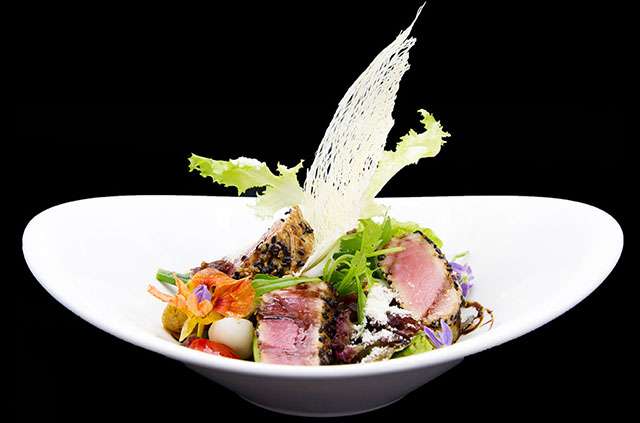
Exploring Duong Restaurant Saigon’s Beef Pho With A Twist
Beef pho is one of Vietnam’s most recognizable dishes, built around fragrant broth, tender beef, rice noodles, and a lively collection of herbs and garnishes. At Duong Restaurant Saigon on Dong Du Street, this familiar bowl becomes part of a broader Vietnamese and French dining experience, where classic ingredients are presented with a polished, chef-led touch.
The appeal of the restaurant’s pho lies in its balance. It respects the comforting identity of traditional phở bò while allowing room for refined presentation, carefully considered textures, and a flavor profile suited to a fine-dining setting. The result is a bowl that feels recognizable from the first aroma yet offers details worth exploring slowly.
For diners discovering Ho Chi Minh City through food, this interpretation also fits naturally into an evening of Vietnamese-inspired cuisine. It can stand alone as a focused meal or become one course in a longer progression that includes seafood, salads, mushroom soup, or other modern Asian dishes.
What Makes This Pho Distinctive
The first impression comes from aroma. Beef pho traditionally draws its character from a broth infused with spices such as star anise, cinnamon, cloves, and coriander seed. These warm notes create depth without overpowering the clean, savory foundation expected from a carefully prepared beef stock.
Duong Restaurant Saigon’s twist can be understood through this balance between tradition and refinement. Instead of making the bowl aggressively sweet, salty, or spicy, the flavor is likely to unfold in layers: gentle spice at the nose, rich beefiness in the middle, and a fresh finish from herbs and condiments.
That restraint is particularly suitable for a restaurant known for quality food and attentive service. Each element has space to register, making the dish feel elegant rather than heavy.
Following The Broth From Aroma To Finish
A satisfying pho broth should have body without becoming thick or greasy. Beef bones and slow cooking provide a rounded foundation, while charred onion and ginger contribute subtle sweetness and a lightly smoky character. These details help the broth taste developed even when its appearance remains clear.
The spice blend adds another dimension. Cinnamon can bring a soft warmth, star anise contributes a recognizable licorice-like perfume, and coriander seed creates a citrusy, earthy bridge between the stock and the fresh garnishes. The most successful versions keep these seasonings integrated rather than letting any single spice dominate.
The twist may emerge through a French-influenced sense of clarity and plating. Rather than overwhelming the palate with a crowded garnish bowl, the presentation can focus attention on the relationship between broth, beef, and noodles. This makes each spoonful easier to appreciate.
Tender Beef, Silky Noodles, And Fresh Garnishes
Texture is central to the enjoyment of beef pho. Rice noodles should be soft and silky while retaining enough structure to move easily through the broth. When cooked correctly, they absorb the stock without becoming mushy, creating a gentle contrast with the beef.
The beef itself supplies the principal variation. Slices should be tender enough to yield without losing their savory character, while any additional preparation or arrangement can give the bowl a more composed restaurant feel. The contrast between delicate noodles and substantial beef keeps the dish satisfying from the first bite to the last.
Fresh herbs and vegetables provide lift. Thai basil, cilantro, bean sprouts, lime, and chili can introduce peppery, citrusy, crunchy, or cooling notes. Used in moderation, they do more than decorate the bowl: they reset the palate and prevent the aromatic broth from feeling too rich.
A Classic Bowl With A Refined Restaurant Accent
The table below shows how this interpretation can differ from a more casual street-style bowl while retaining the essential identity of Vietnamese beef pho.
| Element |
Traditional Street-Style Pho |
Duong Restaurant Saigon’s Refined Interpretation |
| Broth |
Robust, aromatic, and often deeply seasoned |
Clear, balanced, and carefully layered |
| Beef |
Sliced or mixed cuts served generously |
Tender beef presented with greater visual precision |
| Noodles |
Comforting and plentiful |
Silky noodles proportioned for balance |
| Garnishes |
Herbs, sprouts, lime, and chili added freely |
Fresh accents selected to complement the broth |
| Dining experience |
Fast, informal, and highly social |
Relaxed, polished, and suited to a full meal |
| Flavor focus |
Immediate savory satisfaction |
Gradual development from spice to freshness |
This contrast does not make one approach better than the other. Street pho offers speed, energy, and an unmistakable local atmosphere, while a fine-dining version invites diners to slow down and notice the composition of the dish.
For visitors staying in District 1, the restaurant’s location makes it convenient to include the bowl in a wider culinary itinerary. A thoughtfully served pho can become a calm pause between sightseeing and evening exploration.
Pairing The Pho With A Longer Meal
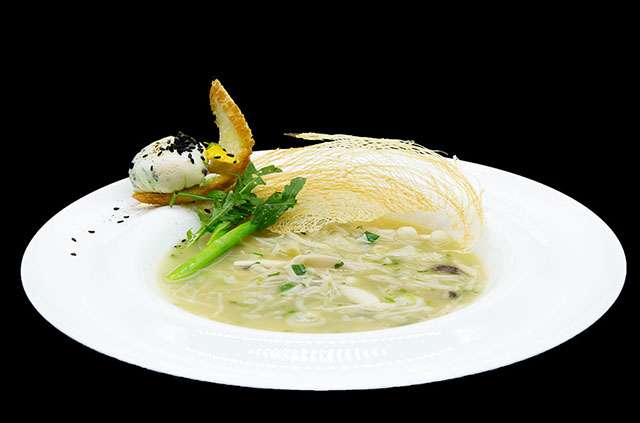
Although beef pho is complete in itself, it can work especially well within a multi-course dining experience. A fresh salad or delicate mushroom soup can prepare the palate, while seafood or another Vietnamese-inspired dish can extend the meal into contrasting textures and flavors.
For guidance on pacing a restaurant meal, the three-course dining guide offers useful context for enjoying Duong Restaurant Saigon’s menu. The principle is simple: allow each course room to breathe instead of ordering so much that the pho becomes an afterthought.
Beverage choices should also respect the broth’s fragrance. Lightly chilled tea, sparkling water, or a crisp, low-sugar drink can cleanse the palate between bites. Strongly sweet beverages may mask the more subtle notes of beef stock and spice.
Exploring The Surrounding District
A meal at Duong Restaurant Saigon can be part of a walk through central Ho Chi Minh City, where historic landmarks, temples, cafés, and busy commercial streets sit close together. The contrast between the city’s energy outside and the restaurant’s cozy atmosphere inside adds to the sense of occasion.
Those interested in the city’s spiritual heritage may pair the meal with a visit to the Jade Emperor Pagoda guide, known for its ornate interiors and atmospheric setting. Another nearby cultural stop is the Mariamman Hindu Temple, which offers a different perspective on the city’s religious and architectural history.
For the best dining experience, consider these simple recommendations:
- Begin with a few spoonfuls of broth before adding lime, herbs, or chili.
- Taste the beef and noodles together to understand the bowl’s intended balance.
- Add garnishes gradually rather than mixing everything at once.
- Leave enough appetite for another Vietnamese or French-influenced course.
- Allow time for a relaxed meal instead of treating the pho as a quick stop.
The distinctive character of Duong Restaurant Saigon’s beef pho comes from its ability to feel deeply Vietnamese while reflecting a more polished culinary setting. Its aromatic broth, tender beef, silky noodles, and fresh garnishes create a layered experience that rewards attention.
Reserve a table on Dong Du Street and make the bowl part of a wider evening of chef-led Vietnamese and French fusion dining in the heart of Ho Chi Minh City.