When Béarnaise Meets Nuoc Cham in Saigon
Exploring the Fusion of Sauces: Béarnaise Meets Nuoc Cham at Duong Restaurant Saigon reveals how two distinct culinary traditions can meet through balance rather than imitation. One is a classic French butter emulsion enriched with egg yolk, vinegar, and tarragon. The other is Vietnam’s bright, savory dipping sauce, built around fish sauce, lime, sugar, garlic, and chili.
At Duong Restaurant Saigon on Dong Du Street, this kind of pairing reflects the city’s natural conversation between French dining culture and Vietnamese ingredients. The result can be delicate, aromatic, and surprisingly versatile, especially when matched with seafood, steak, fresh herbs, or crisp vegetables.
The appeal lies in contrast. Béarnaise brings richness and a soft, silky texture, while nuoc cham contributes acidity, salinity, sweetness, and heat. Together, they can create a sauce experience that feels familiar yet distinctly connected to Saigon.
The Character Of Two Sauces
Traditional Béarnaise is a refined sauce with a luxurious mouthfeel. Egg yolks emulsify clarified butter, while a reduction of vinegar, shallot, tarragon, and peppercorn adds an aromatic backbone. It is often served with grilled beef, but its herbal character also works with fish and vegetables.
Nuoc cham is more fluid and direct. Fish sauce provides deep umami, lime or rice vinegar cuts through the saltiness, sugar rounds the edges, and chili and garlic add energy. Recipes vary across Vietnam, so the sauce may be mild and gently sweet or sharply sour and fiery.
When the two are considered together, neither needs to dominate. The French sauce offers body and warmth; the Vietnamese dressing supplies lift and brightness. A chef can use the relationship to create a layered condiment rather than simply pouring one sauce into the other.
Building A Saigon-French Bridge
The most successful fusion depends on proportion. Too much butter can hide the aromatic qualities of fish sauce and herbs, while an overly intense nuoc cham can overwhelm the gentle texture of an emulsion. A measured touch of lime, fish sauce, or chili can make Béarnaise feel lighter without losing its identity.
Tarragon and Vietnamese herbs also create an interesting meeting point. Tarragon has a subtle anise quality, which can complement cilantro, Thai basil, mint, or lemongrass. These ingredients do not have to appear in equal amounts; even a small herb accent can connect the sauce to Vietnamese flavors.
This approach suits Duong’s chef-led style, where Vietnamese-inspired dishes can be presented with the precision associated with fine dining. The goal is a coherent plate with a local sense of place, rather than a novelty created from unrelated ingredients.
How The Pairing Works On The Plate
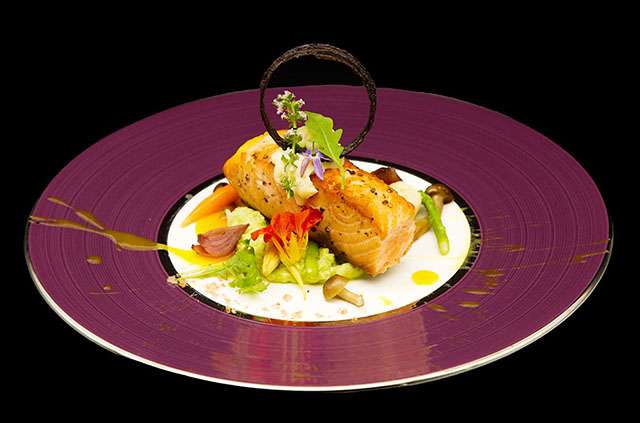
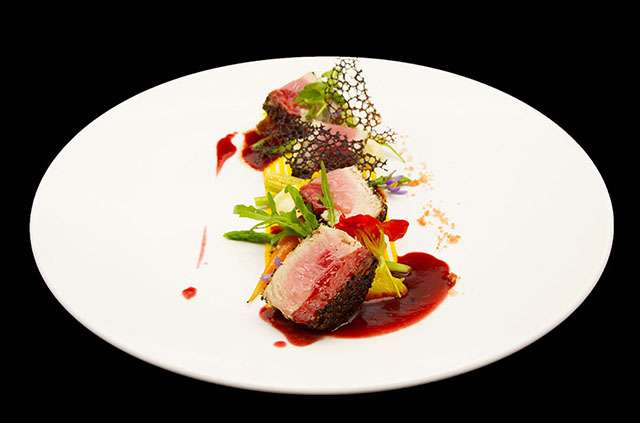
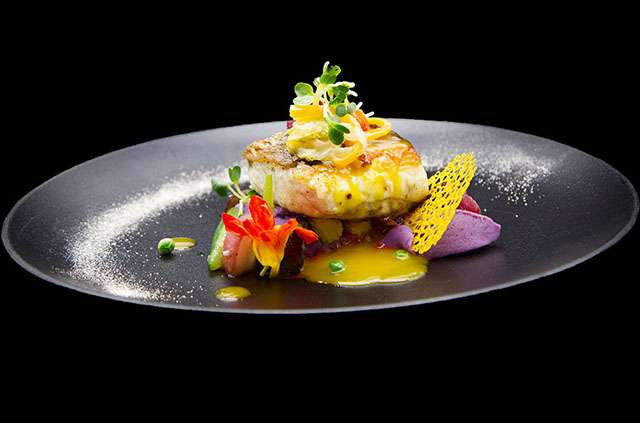
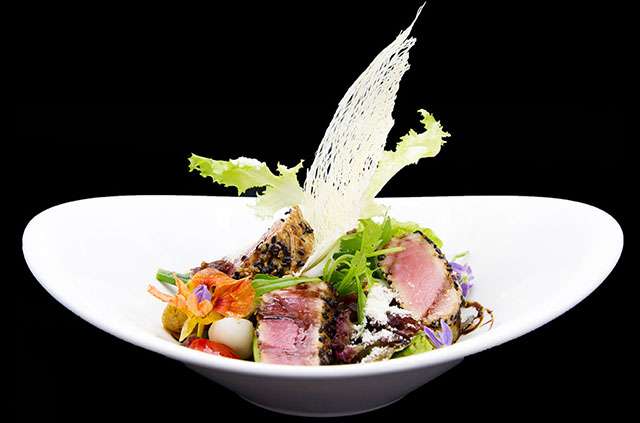
Seafood is an especially natural canvas for this sauce combination. A seared tuna steak, grilled prawns, or a delicate white fish can benefit from Béarnaise’s richness, while a nuoc cham-inspired finish keeps the dish fresh enough for a warm Saigon evening.
The sauce may also be presented in layers: a small pool of Béarnaise beneath the protein, a citrusy nuoc cham dressing over herbs or vegetables, and a few drops of chili oil for fragrance. This preserves the identity of each element while allowing diners to combine them with every bite.
| Dish Element |
Béarnaise Contribution |
Nuoc Cham Contribution |
| Tuna steak |
Creamy richness and tarragon aroma |
Lime, fish sauce, and chili lift |
| Grilled seafood |
Silky texture and savory depth |
Sweet-sour freshness |
| Rice noodle beef rolls |
French herb complexity |
Vietnamese brightness and salt |
| Green salad |
Soft, buttery contrast |
Garlic, citrus, and gentle heat |
| Roasted vegetables |
Roundness and body |
Fragrant acidity |
The same idea can support a more delicate tasting sequence. A lighter nuoc cham accent may accompany a salad or seafood starter, while a fuller Béarnaise variation can appear with a main course. This progression prevents the palate from becoming tired.
Matching The Sauce To Duong’s Menu
Diners exploring the restaurant’s menu might begin with seafood, where the citrus and fish sauce notes can sharpen the natural sweetness of prawns, squid, or fish. A small amount of emulsified sauce can then add richness without turning the dish heavy.
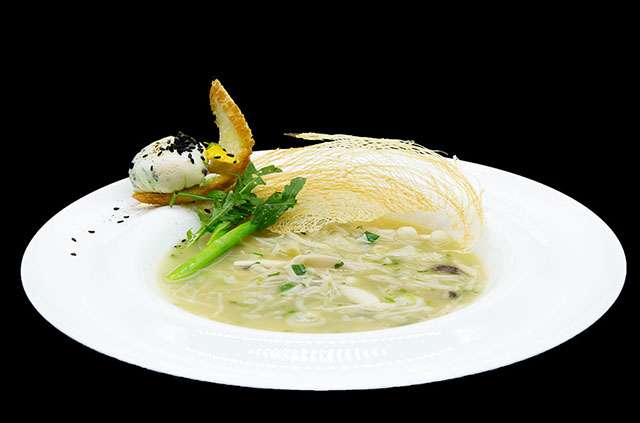
Tuna steak offers another compelling match. Its firm texture and clean flavor can hold up to Béarnaise, while chili, lime, and herbs keep the combination distinctly Southeast Asian. Mushroom soup may seem less obvious, but an aromatic herb oil or restrained fish-sauce seasoning could echo the same French-Vietnamese dialogue without overpowering its earthy character.
Rice noodle beef rolls provide a different texture altogether. Their fresh herbs, noodles, and tender beef naturally welcome nuoc cham, while a carefully seasoned Béarnaise-style cream could offer a contemporary accompaniment. The key is restraint: the sauce should support the roll’s freshness rather than cover it.
For a broader look at seafood pairings suited to the city’s climate, the restaurant’s guide to seafood dishes offers useful context for planning a meal around lighter, ocean-focused flavors.
What Diners Should Notice
A thoughtful tasting is less about identifying every ingredient than observing how the sauce changes the dish. Notice the order in which flavors arrive: butter and herbs first, perhaps, followed by citrus, fermented umami, garlic, or chili.
Texture matters as well. Béarnaise should feel smooth and cohesive, while nuoc cham may be thinner and more vivid. When used together, the contrast creates movement across the palate. The sauce can make a grilled item feel more elegant, or give a formal French technique a more relaxed Vietnamese accent.
For a balanced experience, consider these tasting principles:
- Start with a small amount of sauce before adding more.
- Pair rich Béarnaise with fresh herbs, greens, or citrus.
- Let nuoc cham season seafood rather than mask its natural flavor.
- Compare each sauce with the same bite to identify its individual effect.
- Choose a crisp or aromatic drink to refresh the palate between courses.
Plan The Evening Around Flavor
The setting is part of the experience. A cozy dining room in District 1 provides a comfortable place to explore these contrasts slowly, particularly when the meal includes several courses and different sauce styles. Fine dining does not need to feel formal or distant; it can also be an inviting way to understand local ingredients through a chef’s perspective.
After dinner, Dong Du Street places guests close to many of central Ho Chi Minh City’s attractions, cafés, and evening walks. That makes a sauce-focused meal easy to include in a wider Saigon itinerary, whether it begins with sightseeing or ends with a stroll through the city center.
Reserve A Chef-Led Tasting
To experience Vietnamese-inspired cooking in a setting where French technique and local flavor can meet, explore the menu and reservation details at Duong Restaurant Saigon. Book a table, take time with the seafood and seasonal dishes, and let each sauce reveal a different side of Saigon’s culinary identity.