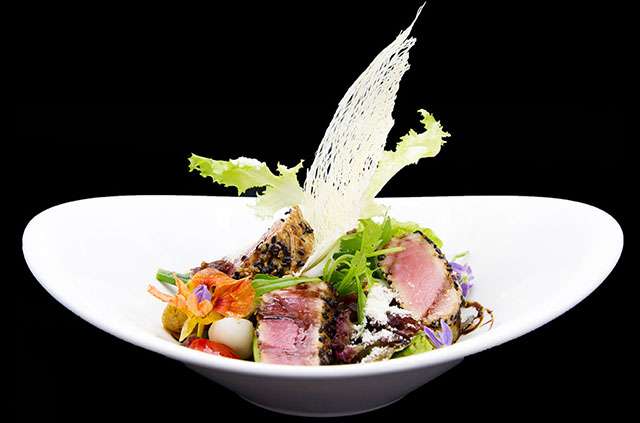
From Market to Table at Duong Restaurant Saigon
In Ho Chi Minh City, a memorable meal often begins long before a plate reaches the dining room. It starts at a market stall, a seafood counter, a produce supplier, or a trusted local food network where freshness is judged by appearance, aroma, texture, and timing. At Duong Restaurant Saigon, that connection between source and service shapes the restaurant’s Vietnamese and French fusion menu.
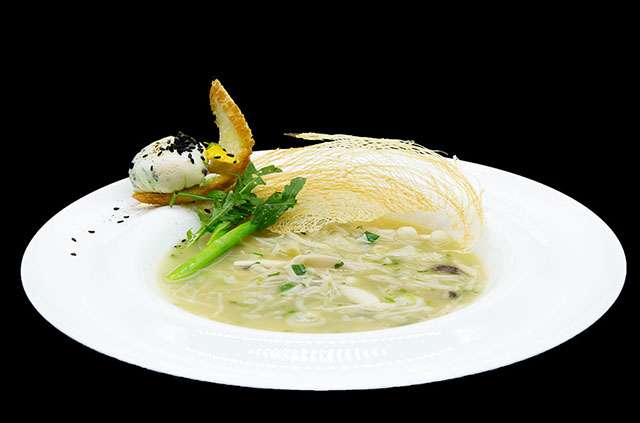
Located on Dong Du Street in District 1, the restaurant brings a chef-led approach to familiar Vietnamese ingredients. Rice noodles, seafood, mushrooms, herbs, vegetables, and premium cuts are selected with attention to how they will perform in the kitchen, from a carefully rolled beef dish to a refined tuna steak or a warming mushroom soup.
This ingredient sourcing guide offers a closer look at the principles behind that process. The result is food that feels polished without losing the freshness and clarity associated with Saigon’s markets.
A Kitchen Shaped By Saigon’s Markets
Market culture is central to Vietnamese cooking. Ingredients are valued for their condition on the day, and cooks often adapt recipes according to what looks best rather than following a rigid shopping list. This flexible mindset suits a restaurant that combines local culinary identity with the precision of French-inspired presentation.
For Duong Restaurant Saigon, sourcing is part of the chef’s creative work. The kitchen must consider the balance between availability, quality, seasonality, and the needs of the menu. Fresh products are not treated as background components; they influence flavor, texture, color, and the way each dish is finished.
Selecting Ingredients At Their Peak
Freshness begins with careful observation. Seafood should have a clean scent and firm texture, vegetables should retain their natural color and structure, and herbs should be vibrant enough to contribute both fragrance and freshness. These details matter especially in dishes where ingredients are lightly cooked or served with delicate seasoning.
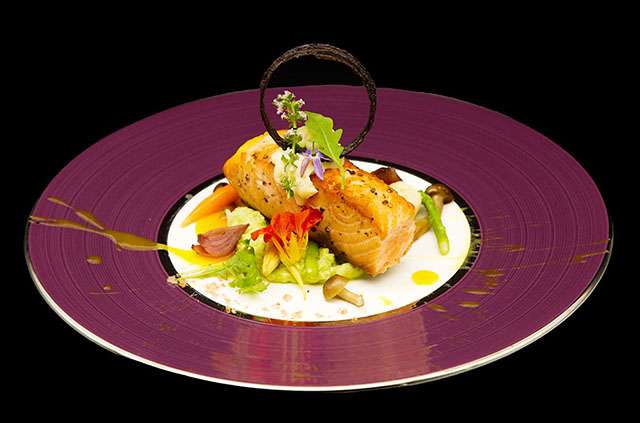
A sourcing-led kitchen also knows when restraint is the better choice. When a product is naturally flavorful, excessive sauces or heavy cooking can hide its character. Duong’s menu reflects this balance through preparations that allow seafood, beef, noodles, mushrooms, and greens to remain recognizable while adding layers of Vietnamese aromatics and French technique.
From Seafood Counters To Fine Dining
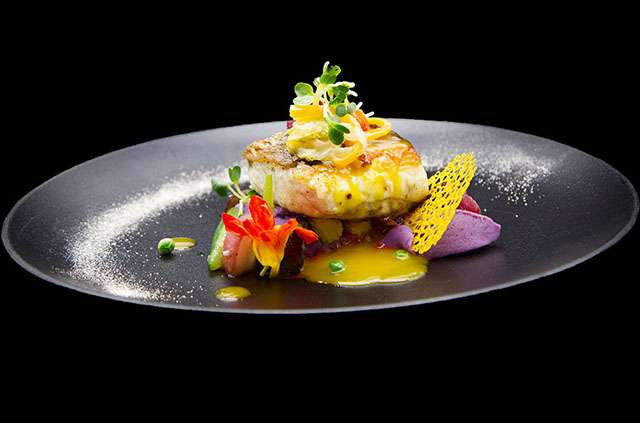
Seafood is particularly sensitive to time and handling. Its quality can change quickly, so a restaurant’s standards depend on reliable sourcing, efficient delivery, and disciplined kitchen storage. When those stages work together, a seafood dish can retain the clean flavor and supple texture expected in a fine-dining setting.
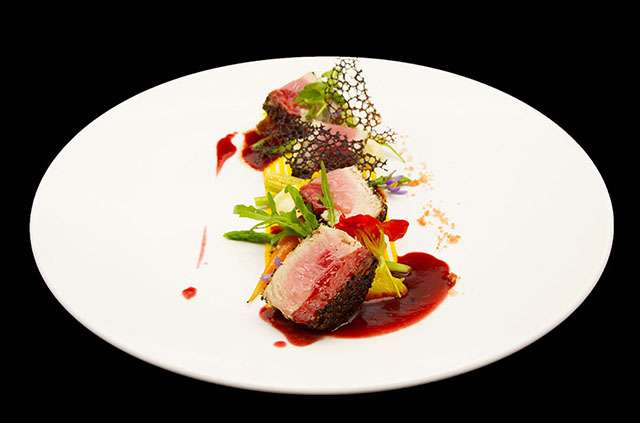
The same principle applies to tuna steak and other carefully prepared proteins. The kitchen must match heat, timing, and seasoning to the ingredient rather than forcing every product through the same process. That attention creates a dining experience in which the main ingredient remains the focus, supported by sauces, vegetables, herbs, or noodles that add contrast.
Ingredient Paths At A Glance
Each category arrives with different priorities. A leafy herb may need to be used quickly for its aroma, while mushrooms require inspection for firmness and moisture. Beef and tuna demand close attention to cut quality and temperature, and rice noodles depend on texture and preparation time.
The table below shows how sourcing decisions can translate into the guest experience at Duong Restaurant Saigon.
| Ingredient Category |
Sourcing Focus |
Kitchen Consideration |
Result On The Plate |
| Seafood |
Clean aroma, firmness, freshness |
Gentle cooking and precise timing |
Clear flavor and delicate texture |
| Beef |
Cut quality and consistency |
Controlled heat and balanced seasoning |
Tender, satisfying bites |
| Tuna |
Color, texture, and handling |
Careful searing or preparation |
A refined, naturally rich center |
| Mushrooms |
Firmness and freshness |
Building depth without heaviness |
Earthy flavor in a smooth soup or side |
| Herbs And Greens |
Fragrance, color, and crispness |
Added at the right stage |
Brightness and aromatic lift |
| Rice Noodles |
Texture and preparation quality |
Pairing with savory fillings and sauces |
Soft, springy structure with contrast |
Vietnamese Ingredients With French Precision
Fusion cooking works best when it respects both traditions. Vietnamese cuisine contributes fresh herbs, balanced acidity, savory depth, rice-based staples, and the lively contrast of textures. French technique contributes careful knife work, composed plating, reduction, timing, and an appreciation for building flavor in stages.
At Duong, this meeting point can be seen in dishes such as rice noodle beef rolls, seafood preparations, salads, mushroom soup, and tuna steak. These choices are recognizable enough to feel connected to Vietnam, yet composed with the detail expected from a contemporary fine-dining restaurant. The sourcing story gives that combination a practical foundation: local ingredients remain expressive while the kitchen gives them a polished form.
The Dining Experience Begins Before The First Bite
The restaurant’s cozy atmosphere supports this ingredient-centered approach. A refined meal does not have to feel formal or distant; it can still carry the warmth of Vietnamese hospitality. Thoughtful service helps explain the menu, guide choices, and make the relationship between ingredients and preparation easier to appreciate.
For visitors exploring District 1, a meal at Duong can also sit naturally within a wider food itinerary. The city’s informal stalls and neighborhood vendors reveal another side of its culinary identity, as shown in this guide to Saigon street eats. Experiencing both casual local food and chef-led dining offers a fuller understanding of how Vietnamese flavors move from everyday markets into more composed settings.
Ways To Appreciate A Sourcing-Led Meal
A few simple choices can make the ingredient journey more visible during a visit:
- Choose a dish that highlights a primary ingredient, such as seafood, tuna, beef, or mushrooms.
- Pay attention to texture and aroma before adding extra seasoning.
- Ask the service team about the preparation style or seasonal ingredients on the menu.
- Pair a richly flavored dish with a salad or herb-forward course for contrast.
- Take time to notice how sauces, noodles, vegetables, and garnishes support the central ingredient.
Approaching dinner this way turns a restaurant visit into more than a sequence of courses. It reveals the decisions behind each plate, from selecting produce and proteins to controlling heat and arranging the final presentation. The market may be outside the dining room, but its influence remains present in every fresh, balanced bite.
Reserve a table at Duong Restaurant Saigon on Dong Du Street and experience how Vietnamese ingredients, careful sourcing, and French-inspired technique come together in the heart of Ho Chi Minh City.