How Duong Restaurant Saigon Adapts Traditional Recipes for Modern Tastes
Vietnamese cuisine is shaped by balance: salty with sweet, fresh herbs with rich sauces, crisp textures with tender ingredients. At Duong Restaurant Saigon on Dong Du Street in District 1, these familiar principles provide the starting point for a more contemporary dining experience.
The restaurant’s approach combines Vietnamese inspiration with French culinary influence. Rather than removing the identity of a traditional dish, the kitchen refines its presentation, adjusts its proportions, and highlights the natural character of premium ingredients. The result is food that feels rooted in Saigon while appealing to guests who enjoy elegant, modern cooking.
Keeping the character of Vietnamese cuisine
Traditional recipes often depend on contrast. A noodle dish may combine savory beef, herbs, pickles, and a bright dipping sauce, while a seafood preparation may balance sweetness with acidity and aromatic vegetables. Duong’s chef-led menu works within these familiar relationships instead of replacing them with unfamiliar flavors.
This approach allows guests to recognize the food while discovering a more polished interpretation. Rice noodle beef rolls, for example, can express the freshness and fragrance associated with Vietnamese street food, yet receive a more refined treatment through careful rolling, precise seasoning, and thoughtful plating.
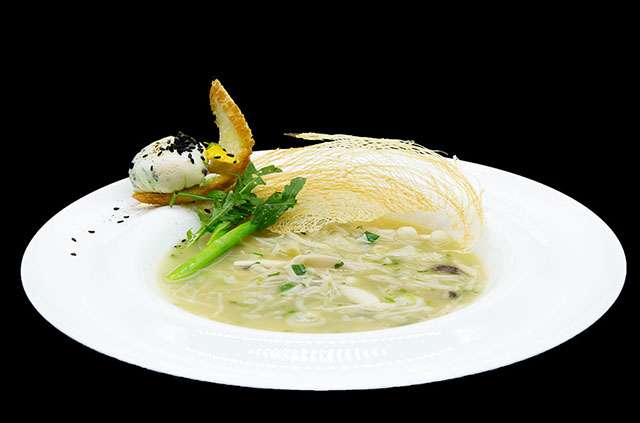
The same philosophy applies to soups and salads. A mushroom soup can be made delicate and layered rather than heavy, while a Vietnamese-inspired salad can use herbs, vegetables, and dressing to create a clean opening course for a fine-dining meal.
French techniques with Vietnamese ingredients
French influence is most visible in the restaurant’s attention to technique. Sauces are balanced carefully, proteins are cooked with precision, and plating gives each component a clear role. These methods help traditional ingredients appear more focused without making them feel disconnected from their origins.
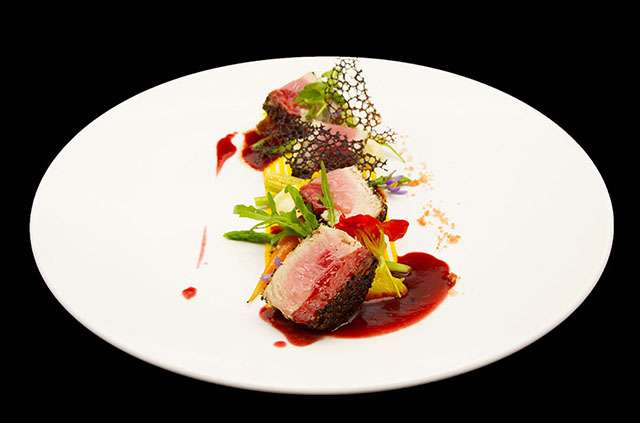
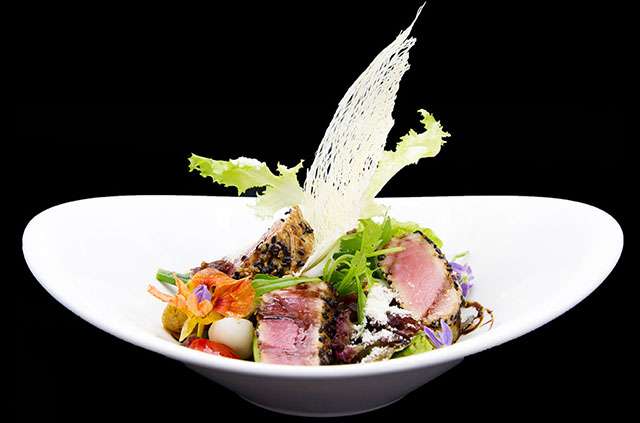
Tuna steak illustrates how this fusion can work. Tuna is familiar across many cuisines, but a Vietnamese-inspired accompaniment can bring local character through herbs, chili, citrus, fish sauce, or fresh vegetables. The cooking remains restrained so the fish keeps its texture, while the accompanying flavors make the dish relevant to the dining culture of Saigon.
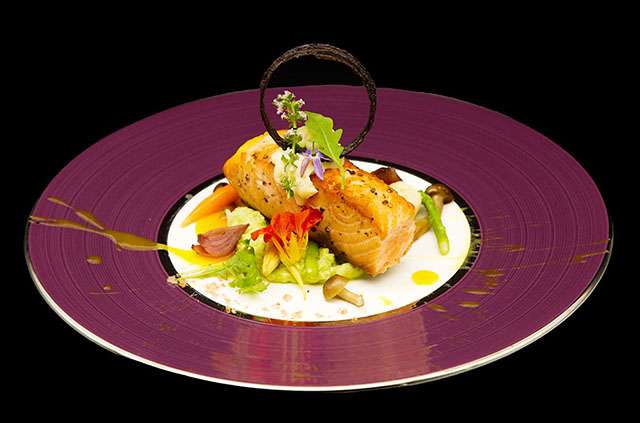
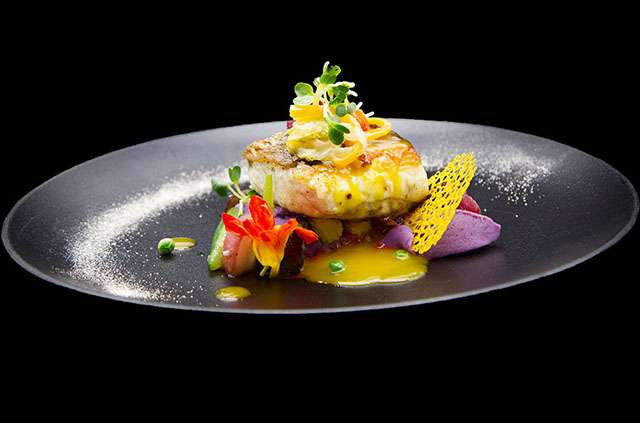
Seafood receives a similar treatment. Instead of relying on excessive seasoning, the kitchen can emphasize freshness, aroma, and texture. French-style composition gives the plate structure; Vietnamese flavors provide brightness and identity.
A more balanced dining experience
Modern diners often look for meals that feel satisfying without being overwhelming. This has encouraged restaurants to reconsider portion size, seasoning, and the order in which dishes are served. Duong’s menu reflects that sensibility by offering a progression from fresh salads and delicate soups to richer seafood, beef, or tuna preparations.
Balance also means allowing individual ingredients to remain recognizable. Mushrooms should retain their earthy fragrance, seafood should taste clean, and herbs should contribute freshness rather than simply decorate the plate. This restraint is important when adapting heritage recipes for contemporary guests.
The restaurant’s à la carte menu provides a useful view of this variety. Guests can choose individual courses according to their appetite, making it possible to enjoy a lighter meal, build a longer tasting sequence, or combine Vietnamese-inspired dishes with French-influenced selections.
Familiar dishes in a refined setting
Modernization is not limited to ingredients or cooking methods. The setting changes how guests experience a recipe. In a cozy fine-dining environment, a dish associated with everyday Vietnamese meals can take on a slower, more attentive rhythm. Presentation, service, and pacing encourage diners to notice details that might be missed in a hurried meal.
This does not make the food less Vietnamese. Instead, it creates space for familiar flavors to be appreciated in a different way. The fragrance of herbs, the acidity of a dressing, and the texture of a carefully cooked protein become central parts of the experience.
| Traditional foundation |
Modern interpretation at Duong |
| Vietnamese herbs and aromatic vegetables |
Carefully arranged garnishes that add fragrance and visual balance |
| Rice noodles and beef |
Refined rolls with precise portioning and composed presentation |
| Seafood and local seasonings |
Clean cooking that emphasizes freshness and delicate sauces |
| Mushroom-based soups |
Layered flavor with a lighter, more elegant finish |
| Vietnamese sweet, salty, sour balance |
Controlled seasoning suited to a multi-course meal |
| Familiar ingredients |
French-influenced technique and fine-dining presentation |
Connecting food with Saigon culture
A modern Vietnamese menu becomes more meaningful when it is experienced alongside the city that inspires it. Duong Restaurant Saigon’s location on Dong Du Street places diners near some of District 1’s historic landmarks, busy avenues, galleries, hotels, and cafés.
Visitors planning a food-focused itinerary can pair dinner with cultural exploration. Information about the Jade Emperor Pagoda offers context for travelers interested in the city’s religious architecture and local history. After seeing a quieter side of Ho Chi Minh City, a carefully prepared Vietnamese meal provides another way to understand its traditions.
The restaurant’s culinary style also suits travelers who want more than a quick list of local specialties. A broader HCMC food guide can help place the restaurant’s menu within the city’s wider dining culture, from street food and noodle shops to contemporary restaurants.
What to notice when ordering
Guests can approach the menu with curiosity while still relying on familiar flavors. These choices help reveal how traditional Vietnamese cooking is being adapted for a modern dining room:
- Begin with a salad or mushroom soup to experience the kitchen’s approach to freshness and balance.
- Choose a seafood or tuna dish to see how Vietnamese accents work with French-style precision.
- Try rice noodle beef rolls for a refined interpretation of a recognizable local combination.
- Pay attention to sauces, herbs, acidity, and texture rather than judging a dish by presentation alone.
- Build a meal at a relaxed pace so the progression between lighter and richer courses remains clear.
The best experience comes from treating each dish as a conversation between tradition and technique. A recipe may be familiar, but its texture, arrangement, and seasoning can reveal a new perspective on Vietnamese food.
Duong Restaurant Saigon makes that conversation the center of its dining style. By preserving the flavors that connect dishes to Vietnam while applying modern culinary discipline, the restaurant creates a menu suited to both local diners and international travelers. Reserve a table on Dong Du Street and experience how Saigon’s culinary traditions can be presented with contemporary elegance.