How Duong Restaurant Saigon Combines Crème Fraîche and Chili
Duong Restaurant Saigon brings Vietnamese ingredients and French culinary ideas together in a setting designed for relaxed fine dining. On Dong Du Street in District 1, the restaurant’s chef-led menu reflects the meeting point between local freshness, classic technique, and modern presentation.
Among the most appealing examples of this approach is the combination of crème fraîche and chili. The pairing creates a sauce or finishing element with several layers: gentle dairy richness, bright acidity, aromatic heat, and enough freshness to keep seafood, beef, vegetables, and noodles lively.
This balance suits the character of Ho Chi Minh City dining. Vietnamese cuisine values contrast, while French cooking often builds depth through butter, cream, reduction, and careful seasoning. Crème fraîche and chili allow both traditions to appear in a single bite without either one overwhelming the other.
A French Foundation With Vietnamese Energy
Crème fraîche is a cultured cream with a smooth texture and mild tang. Compared with heavier cream, it brings a cleaner acidity that can brighten a sauce while still giving it a luxurious finish. That makes it useful for a restaurant blending French methods with Vietnamese flavor profiles.
At Duong, this ingredient can support the structure of a dish rather than dominate it. A small amount may soften a chili sauce, round out a seafood preparation, or add silkiness to vegetables and noodles. The result feels polished but remains connected to the fresh, aromatic character associated with Vietnamese cooking.
Chili contributes the opposite sensation. Its warmth activates the palate and gives creamy sauces a more defined edge. When the amount is carefully controlled, the cream does not erase the chili, and the chili does not hide the ingredient beneath it.
How The Flavor Balance Works
The success of this pairing depends on proportion. Too much crème fraîche can make a sauce heavy, while too much chili can flatten the more delicate flavors of fish, mushrooms, or herbs. A chef must preserve the identity of both components.
Acidity is especially important. Crème fraîche has a naturally tart quality, and that tang can echo the lime, herbs, and pickled accents often found in Vietnamese-inspired dishes. Chili then adds warmth, while salt and aromatic ingredients help connect the sauce to the main ingredient.
The combination also creates a pleasing textural contrast. A smooth cream-based element coats the palate, while chili, herbs, toasted garnishes, or crisp vegetables bring movement. This is why the pairing can work across several courses without tasting repetitive.
Bringing Heat To Seafood And Protein
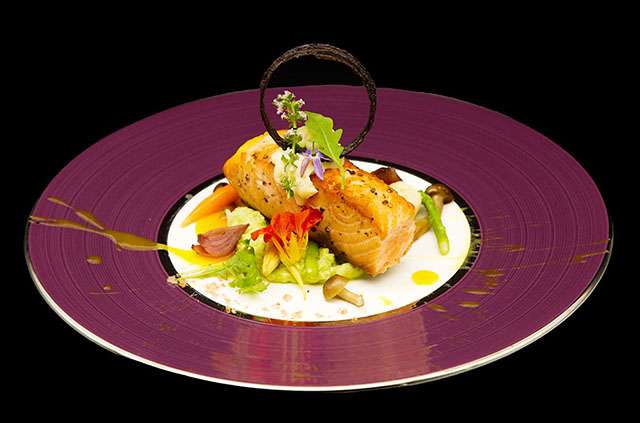
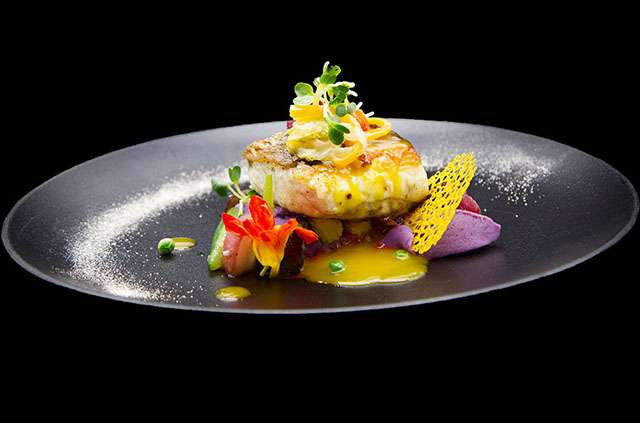
Seafood is a natural partner for crème fraîche and chili. The cultured cream can soften the sharpness of a spicy seafood sauce, allowing the sweetness of prawns, fish, or shellfish to remain clear. A bright chili cream can also complement grilled or seared surfaces, where gentle acidity cuts through caramelized flavor.
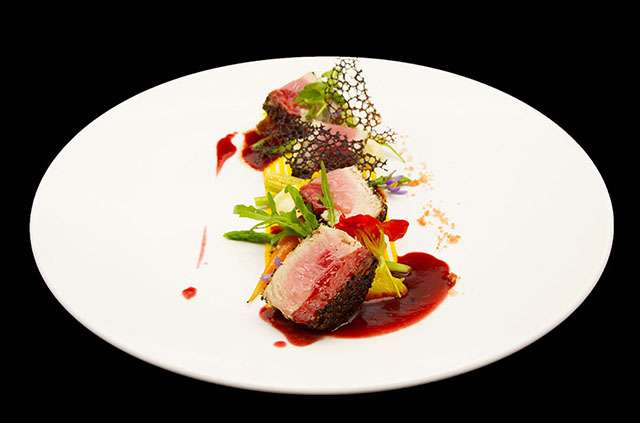
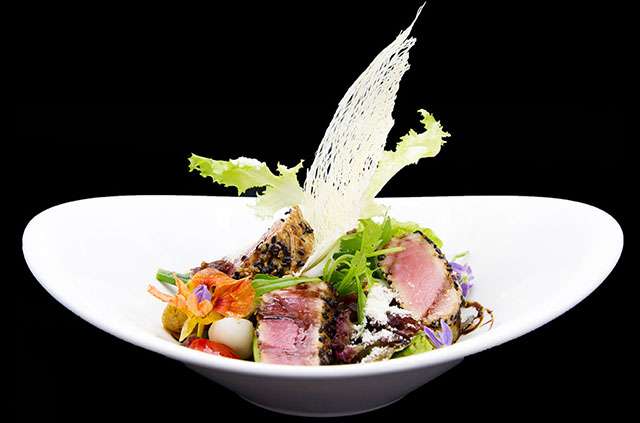
The same principle applies to tuna steak and other substantial proteins. A creamy chili accent can add moisture and lift without covering the ingredient’s natural taste. Used as a sauce, drizzle, or finishing spoonful, it provides contrast between richness and freshness.
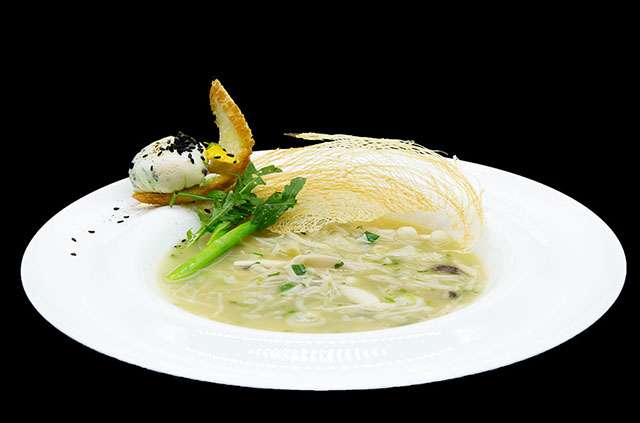
Mushrooms offer another interesting direction. Their earthy umami character welcomes a cool, tangy cream, while chili adds enough liveliness to prevent the dish from becoming subdued. With herbs or a crisp garnish, the pairing becomes balanced rather than simply rich.
The Pairing At A Glance
| Element |
Contribution |
Best Culinary Role |
| Crème fraîche |
Tangy richness and smooth texture |
Sauce base, garnish, or finishing accent |
| Chili |
Warmth, aroma, and lively heat |
Infusion, dressing, or seasoning |
| Lime or citrus |
Fresh acidity |
Brightens the creamy element |
| Fresh herbs |
Fragrance and lift |
Connects the sauce to Vietnamese flavors |
| Seafood or tuna |
Delicate sweetness and clean flavor |
Carries the contrast between cream and heat |
| Mushrooms |
Earthy depth and umami |
Adds a savory foundation |
This combination also suits the restaurant’s broader menu, which includes rice noodle beef rolls, seafood, salads, mushroom soup, and other Vietnamese-inspired dishes. The technique can shift according to the main ingredient: lighter and more citrus-led for seafood, deeper and more savory for mushrooms, or more restrained when paired with beef.
Vietnamese Aromatics Meet Cultured Cream
Chili rarely works alone in Vietnamese-inspired cooking. Garlic, shallot, lemongrass, ginger, coriander, basil, mint, and lime can all shape the final impression. These ingredients make a crème fraîche sauce feel aromatic and regional rather than simply European.
A chef may infuse the chili into oil, fold it into a cream-based dressing, or use it as a finishing accent. Each method changes the experience. Infused oil gives a warmer, rounder heat, while fresh chili provides sharper fragrance. A finely balanced dressing can bring together salad leaves, seafood, and herbs in one composed bite.
For diners exploring the city, the setting adds context to the meal. Reading a practical Saigon travel guide can help visitors understand how local markets, street food, French architecture, and contemporary dining all exist within the same urban landscape.
Why The Sauce Feels Modern
The crème fraîche and chili pairing feels contemporary because it avoids rigid culinary categories. It does not attempt to turn a Vietnamese dish into a French one. Instead, it borrows a French dairy technique and gives it a Vietnamese sense of freshness, fragrance, and controlled heat.
Presentation also matters. A small amount of sauce placed beneath a protein creates a different impression from a generous pour over the entire plate. Modern restaurant cooking often uses restraint, allowing diners to combine the cream, chili, herbs, and main ingredient in different proportions.
That flexibility matches Duong Restaurant Saigon’s cozy fine-dining atmosphere. Guests can recognize familiar Vietnamese flavors while also encountering textures and sauces shaped by French influence. The experience is refined without losing the warmth and immediacy of local cuisine.
Ways To Enjoy The Contrast
- Pair a creamy chili sauce with seafood when you want brightness, gentle heat, and a clean finish.
- Try the combination with tuna or beef when a richer protein needs acidity and freshness.
- Look for herbs, citrus, or crisp vegetables that add fragrance and texture to the smooth sauce.
- Balance a spicy bite with a lighter salad or mushroom-based dish during a multi-course meal.
The restaurant’s location also makes the meal easy to connect with a city walk. After visiting the Central Post Office, guests can continue through District 1 before settling into a chef-led dinner on Dong Du Street.
Crème fraîche and chili work at Duong because they express the restaurant’s central culinary idea: familiar Vietnamese ingredients and flavors can become more layered through thoughtful French technique. Reserve a table, explore the menu, and experience how creamy tang, aromatic heat, and local inspiration come together in Saigon.