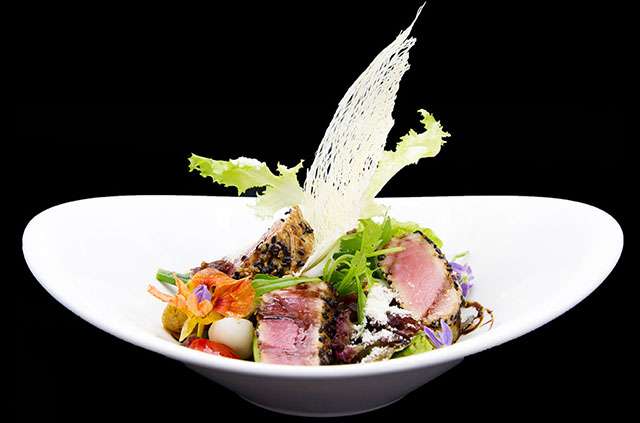
How Duong Restaurant Saigon Garnishes Plates With Flowers And Herbs
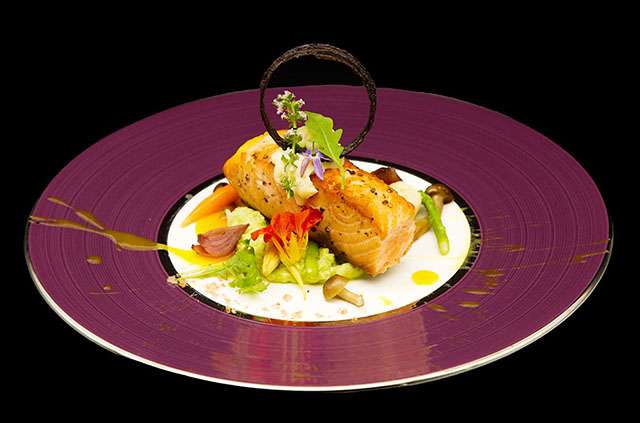
At Duong Restaurant Saigon on Dong Du Street, garnishing is part of the dish rather than an afterthought. Fresh flowers, aromatic leaves and carefully placed herbs bring colour, fragrance and texture to Vietnamese-inspired cuisine, while the arrangement gives each plate a polished French influence.
For Australian diners familiar with edible flowers in modern restaurants from Sydney to Melbourne, the appeal is immediate. The difference lies in the ingredients: Vietnamese herbs often carry a stronger fragrance, a sharper finish and a close relationship with the food they accompany.
| Garnish |
Visual effect |
Flavour contribution |
Suitable Australian comparison |
| Thai basil |
Lively green leaves |
Sweet, peppery aroma |
Similar to using basil in a modern seasonal salad |
| Vietnamese coriander |
Fine, fresh foliage |
Citrus-like, peppery lift |
A brighter alternative to standard coriander |
| Perilla leaves |
Purple and green contrast |
Minty, anise-like notes |
Suits diners who enjoy distinctive native or Asian herbs |
| Edible flowers |
Soft colour and delicate shape |
Mild floral fragrance |
Familiar from contemporary tasting menus |
| Banana blossom |
Layered, sculptural texture |
Crisp, slightly earthy taste |
Works like a refined slaw or vegetable garnish |
The Visual Language Of Vietnamese Garnishes
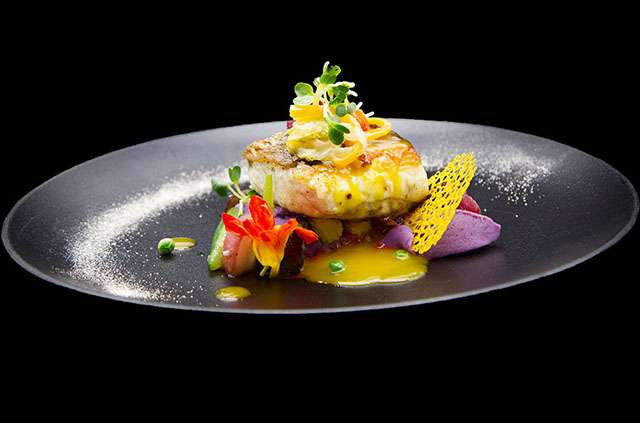
A well-finished Vietnamese plate usually balances several visual elements: the main protein, a sauce or broth, fresh vegetables and a small amount of greenery. At Duong, flowers and herbs help create that balance without making the plate appear crowded. A few leaves may frame a portion of seafood, while petals add a light accent beside a rich sauce.
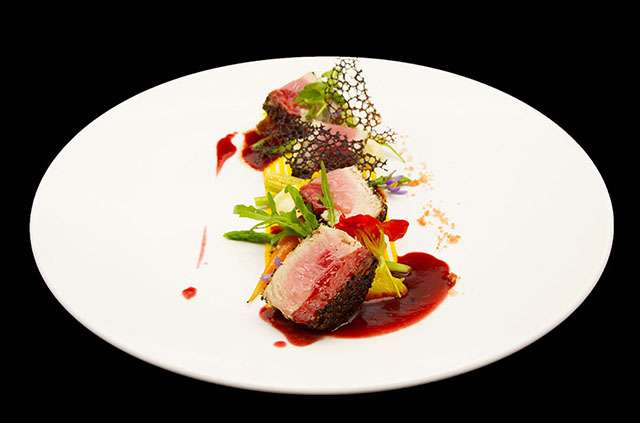
This approach reflects the Vietnamese preference for freshness and contrast. A plate should offer more than one texture and aroma, whether it holds rice noodle beef rolls, tuna steak, seafood or a vegetable-led dish. The garnish gives the eye a path around the plate and hints at the flavours waiting to be tasted.
The same principle can be seen in Saigon street eats, where bowls and plates are often finished with herbs that diners tear, fold or mix through the meal. Duong translates that lively tradition into a more composed fine-dining presentation.
Flowers That Add Colour And Fragrance
Edible flowers are selected for more than their colour. A pale blossom can soften the appearance of a dark sauce, while a purple or yellow flower can bring contrast to a clean white plate. Their flavour is usually subtle, allowing the seafood, meat or vegetables to remain the focus.
Flowers also suggest seasonality. Their delicate appearance makes a dish feel light and fresh, which is especially appealing in Ho Chi Minh City’s warm climate. For Australian visitors, the presentation may recall edible-flower dishes seen at a laneway restaurant in Melbourne or a modern Asian dining room in Sydney, but the surrounding Vietnamese flavours give the decoration a different character.
Care is essential when flowers are used as food. They need to be clean, fresh and suitable for consumption, with the stems and unwanted parts removed. At a chef-led restaurant, this attention supports the wider promise of quality service and carefully handled ingredients.
Herbs With A Purpose
Vietnamese herbs are chosen for their effect on the palate. Thai basil can add sweetness and peppery warmth, Vietnamese coriander can sharpen a rich bite, and perilla can introduce a cool, almost anise-like note. These leaves are not simply scattered over the plate; they help adjust the way each mouthful tastes.
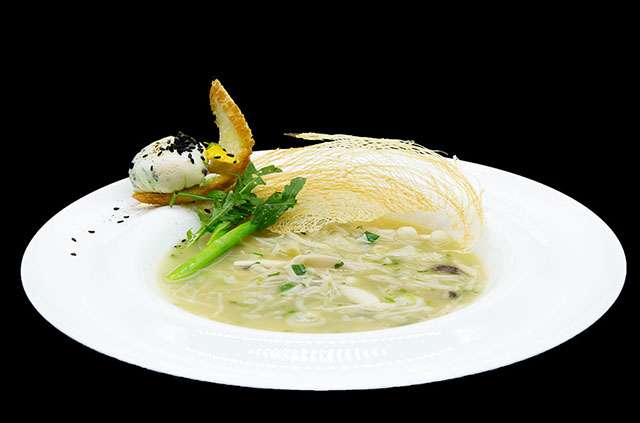
A mushroom soup, for example, benefits from a small aromatic finish that lifts its earthy depth. Seafood can be paired with herbs that provide freshness, while beef rolls can take a stronger leafy accent to balance savoury flavours. The garnish works as a final seasoning, much like lemon zest, pepper or a carefully reduced sauce.
This is useful for diners accustomed to asking for coriander on the side or checking whether a dish contains a particular herb. Australian restaurants increasingly accommodate dietary preferences, but Vietnamese menus often treat fresh herbs as part of the core flavour structure. Staff guidance can help guests understand which leaves are intended to be eaten and which are primarily decorative.
Matching Garnish To The Dish
The most successful plating considers colour, aroma and texture together. A crisp herb can contrast with a tender tuna steak, while a delicate petal may suit a refined seafood dish. A finely sliced vegetable or banana blossom can add height and crunch to a plate that otherwise relies on soft textures.
The garnish also needs to respect the sauce. Strong herbs should not overwhelm a subtle broth, and flowers should not compete with a fragrant dressing. Duong’s French-Vietnamese style makes this restraint particularly important: the food can look artistic while remaining practical to eat.
For Australian diners who enjoy sharing dishes, this arrangement creates an attractive centrepiece for the table. It also photographs well in the natural rhythm of a meal, without requiring excessive decoration or theatrical presentation.
Presentation Rooted In Saigon
Flowers and herbs connect the dining room with the wider life of Ho Chi Minh City. Fresh produce markets, family kitchens and street stalls all rely on colour and aroma to make food inviting. On Dong Du Street, Duong places that everyday Vietnamese sensibility within a calm, comfortable fine-dining setting.
The visual symbolism can also feel connected to Saigon’s temples and gardens. Visitors exploring the city may notice the same appreciation for greenery and floral detail at the Jade Emperor Pagoda, where plants and incense contribute to a richly sensory atmosphere. At the restaurant, the effect is quieter and more focused on the plate.
That cultural connection makes the garnish meaningful without turning it into a display. It reflects a cuisine in which freshness, balance and hospitality are closely linked, while the clean plating gives Australian guests an accessible entry point.
A Fine-Dining Detail Worth Noticing
The best way to appreciate the garnish is to taste the dish in stages. Try the main ingredient first, then combine it with the herb or flower. Notice whether the leaf adds heat, sweetness, freshness or perfume. This small pause reveals why the chef has placed each element where it is.
The atmosphere at Duong suits an unhurried meal, whether it is a special dinner, a relaxed evening after sightseeing or a first experience of Vietnamese fine dining. Guests planning a later outing can pair dinner with the restaurant’s guide to Saigon nightlife, making the meal part of a broader evening in District 1.
Book a table at Duong Restaurant Saigon to see how flowers, herbs and Vietnamese flavours come together in a carefully composed dining experience. Bring an appetite for fresh ingredients, thoughtful presentation and the distinctive character of Saigon cuisine.