How Duong Restaurant Saigon Handles Dietary Restrictions With Elegance
Dining with dietary restrictions in a fine-dining setting should feel reassuring rather than complicated. At Duong Restaurant Saigon, the combination of Vietnamese inspiration, French technique, and attentive hospitality creates room for thoughtful adjustments without losing the character of a dish.
Located on Dong Du Street in District 1, the restaurant offers a cozy setting for travelers, business diners, and local guests. Its chef-led approach makes ingredient conversations especially important, whether a guest avoids seafood, follows a vegetarian diet, or needs to manage a serious food allergy.
Vietnamese cuisine can include hidden ingredients such as fish sauce, shrimp paste, soy, peanuts, and seafood-based stock. French-influenced cooking may also involve butter, cream, wheat, or wine. Clear communication with the restaurant team helps transform these details into a well-managed and enjoyable dining experience. Guests exploring the city can also consult this Saigon dining guide for broader ideas about local food and restaurant culture.
A Chef-Led Approach To Special Requests
A chef-led menu gives dietary requests more thoughtful attention than a fixed, one-size-fits-all solution. Instead of simply removing an ingredient at the last moment, the kitchen can consider how that change affects seasoning, texture, sauce, and presentation.
Guests should share their requirements when making a reservation and repeat them when they arrive. The most useful information includes the ingredients to avoid, the severity of the allergy, whether cross-contact is a concern, and whether the restriction is medical, religious, or based on personal preference.
This conversation helps the service team guide guests through suitable choices with discretion. It also gives the kitchen time to assess available ingredients and prepare an alternative that still feels intentional.
Understanding Vietnamese And French Ingredients
Rice noodles, fresh herbs, vegetables, and grilled seafood can provide a natural starting point for gluten-free or lighter meals. However, sauces and marinades require closer attention. Soy sauce may contain wheat, while fish sauce, oyster sauce, shrimp paste, or seafood stock can appear in dishes that seem otherwise simple.
French techniques bring another layer of consideration. Butter, cream, cheese, flour, and enriched sauces may be used to create a smooth finish. A dairy-free or gluten-free adaptation may therefore require a separate sauce, a different thickening method, or a carefully selected garnish.
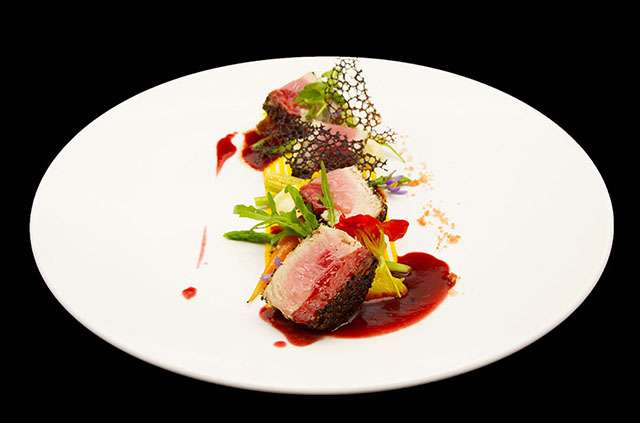
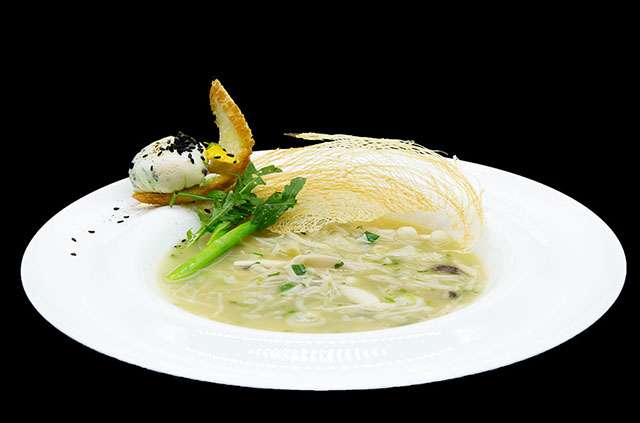
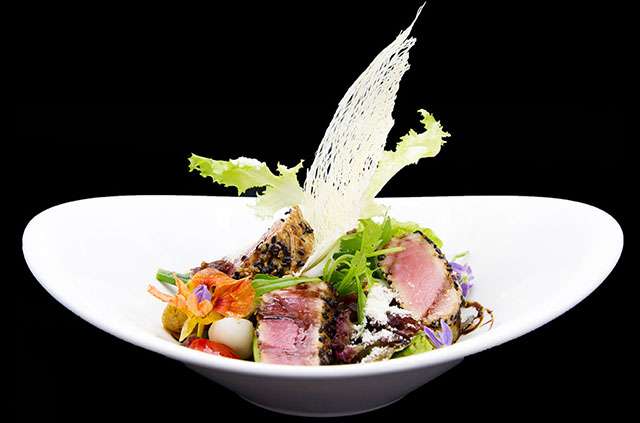
The restaurant’s rice noodle beef rolls, seafood selections, salads, tuna steak, and mushroom soup each have their own ingredient profile. Asking about preparation rather than relying on a dish name allows the team to recommend options more accurately.
Balancing Safety With Presentation
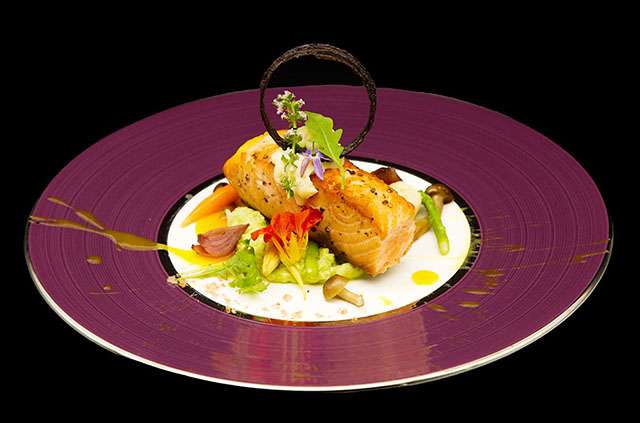
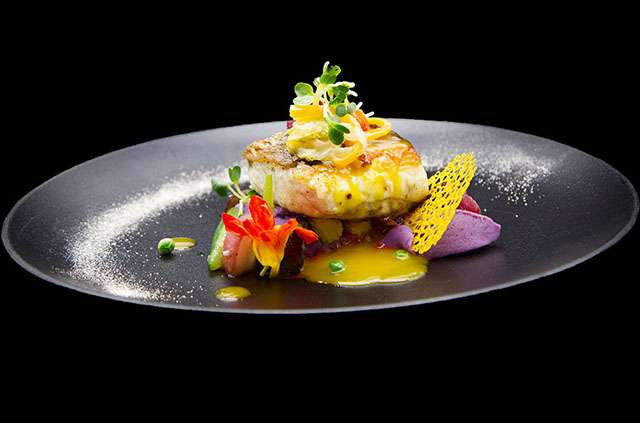
Dietary accommodation should preserve the pleasure of dining. A plate should not look like a reduced version of the original simply because one component has been removed. Elegant substitutions maintain balance through herbs, pickles, vegetables, aromatic oils, broths, or naturally flavorful reductions.
For guests avoiding meat, the kitchen may focus on vegetables, mushrooms, noodles, or seafood where appropriate. Vegetarian and vegan diners should clarify whether fish sauce, shrimp paste, egg, dairy, or animal-based stock must be excluded, since these ingredients can be easy to overlook in Vietnamese-inspired cooking.
Guests with nut allergies should mention the concern before ordering, particularly when dishes involve garnishes, sauces, or shared preparation areas. Those with shellfish allergies should identify whether they need to avoid only shellfish or all seafood, including fish-based sauces and broths.
The following guide shows the kind of information worth discussing with the team before ordering:
| Dietary need |
Ingredients to clarify |
Helpful request |
| Gluten-free |
Soy sauce, wheat, flour, marinades |
Ask whether the dish and sauce can be prepared without wheat |
| Dairy-free |
Butter, cream, cheese, creamy sauces |
Request an alternative cooking fat or sauce |
| Vegetarian |
Fish sauce, shrimp paste, meat stock |
Confirm that the base, seasoning, and garnish are plant-based |
| Vegan |
Egg, dairy, fish sauce, seafood, honey |
Explain that all animal-derived ingredients must be excluded |
| Nut allergy |
Peanuts, cashews, nut oils, garnishes |
Ask about ingredients and possible cross-contact |
| Shellfish allergy |
Shrimp paste, oyster sauce, seafood stock |
Clarify whether the restriction includes shared sauces or utensils |
Communicating Before The Meal
The best experience begins before guests sit down. When booking, diners can provide a concise note such as “severe peanut allergy,” “strict vegan,” or “no dairy or egg.” Specific language is more useful than a general statement that a guest is a “picky eater.”
For visitors who do not speak Vietnamese, written information can make the conversation easier. A short list of prohibited ingredients, translated if necessary, helps reduce confusion. The restaurant team can then explain which dishes are suitable, which require adjustment, and which are better avoided.
Checking the restaurant’s latest restaurant news may also help guests stay informed about seasonal offerings, dining updates, or changes that could affect menu availability.
Reading The Menu With Care
An à la carte menu offers flexibility, but menu descriptions rarely list every component of a sauce, stock, garnish, or marinade. Guests should treat descriptions as a starting point and ask how each dish is finished.
The à la carte menu can help diners review familiar categories before arriving. A guest might identify a tuna steak or salad as a possible choice, then confirm whether the dressing, seasoning, and cooking method fit their needs.
Mushroom soup deserves the same careful review as a seafood dish. It may be suitable for vegetarians in some preparations, but stock, butter, cream, or fish sauce can change that. Likewise, rice noodle beef rolls may be naturally free from wheat in their noodle component while still requiring questions about dipping sauce and marinade.
Recommendations For A Smooth Experience
A few practical steps help dietary needs receive the same care as any other part of the meal:
- Contact the restaurant ahead of time for serious allergies or several overlapping restrictions.
- Name every ingredient that must be avoided, including sauces, stock, garnishes, and cooking fats.
- Explain whether a small trace creates a medical risk or whether the restriction is a preference.
- Ask the service team to confirm suitable dishes and any planned substitutions.
- Allow the kitchen time to prepare a considered alternative rather than requesting changes after service begins.
This approach benefits both the guest and the restaurant. It gives the kitchen a clear framework while allowing the service team to present choices with confidence and respect. The result is a more relaxed meal in which dietary care feels integrated into hospitality rather than treated as an inconvenience.
Guests should remember that menus and ingredients can change, and severe allergies require direct confirmation from the restaurant before dining. With early communication and careful guidance, Duong Restaurant Saigon can make Vietnamese-French dining feel polished, personal, and welcoming.
Reserve your table on Dong Du Street and share your dietary requirements when booking so the team can prepare an elegant dining experience around your needs.