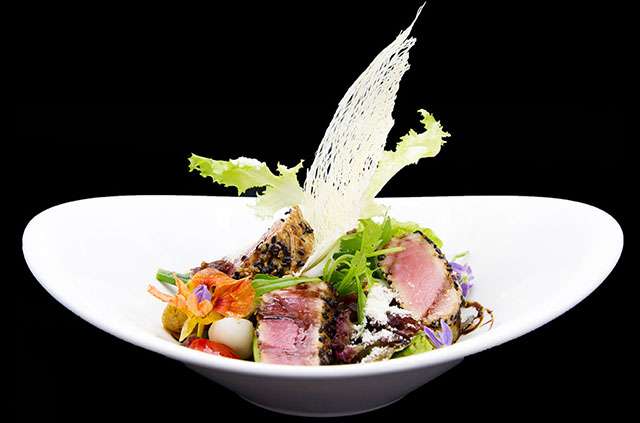
How French Technique Refines Saigon Seafood At Duong Restaurant
In Ho Chi Minh City, seafood is closely tied to freshness, seasonality, and bright Vietnamese flavors. Fish, prawns, squid, clams, and crab often appear alongside herbs, citrus, chili, rice, and fish sauce. At the same time, French culinary tradition offers a precise approach to texture, sauce-making, cooking temperature, and presentation.
Duong Restaurant Saigon brings these two influences together in a fine dining setting on Dong Du Street in District 1. Its chef-led menu draws on Vietnamese ingredients while using techniques associated with French cuisine, creating plates that feel familiar yet carefully refined. The result is a style of Saigon seafood dining that emphasizes balance rather than unnecessary complexity.
Guests exploring the city can learn more about the restaurant, its atmosphere, and reservation details through Duong Restaurant Saigon. The experience suits travelers seeking high-quality food in a cozy environment, as well as local diners who appreciate modern Vietnamese cooking with an international character.
Fresh Seafood Meets French Precision
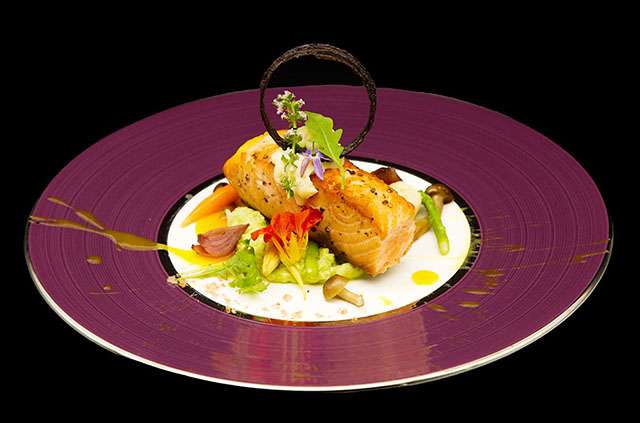
French technique begins with careful handling of the main ingredient. Seafood is delicate, so timing and temperature can determine whether a fillet remains tender or becomes dry. Gentle pan-searing, controlled roasting, poaching, and low-temperature cooking allow the natural sweetness of local seafood to remain at the center of the dish.
This precision complements Vietnamese culinary instincts. Local cooks traditionally focus on freshness, aroma, and contrast, while French cooking often builds flavor through gradual preparation. At Duong Restaurant Saigon, those ideas can meet in a plate where the seafood is cleanly cooked, the sauce is concentrated, and herbs or pickled elements add a lively finish.
Sauces That Connect Two Culinary Traditions
A classic French sauce often begins with a stock, reduction, butter, cream, or wine. Vietnamese seafood preparations may instead rely on fish sauce, lime juice, tamarind, coconut, lemongrass, ginger, or chili. Combining these foundations creates sauces with both depth and brightness.
A French-inspired reduction can provide richness without overpowering a delicate fish. A light butter sauce may be lifted with lime, while a seafood stock can gain local character from roasted spices, coriander, or aromatic herbs. These combinations show how French sauce-making can support Vietnamese flavor rather than replace it.
The balance is especially important in a warm climate. Richness needs acidity, and a savory sauce benefits from fresh herbs or a touch of heat. This is where modern Vietnamese cuisine gains its distinctive energy: a refined sauce still tastes lively, fragrant, and connected to the ingredients of southern Vietnam.
Local Ingredients With A Modern Point Of View
Vietnamese seafood is valued for its variety and regional identity. Coastal waters supply fish and shellfish, while markets across the country provide herbs, vegetables, rice products, and tropical fruit. Using these ingredients in a fine dining format allows the kitchen to highlight their character through restrained preparation.
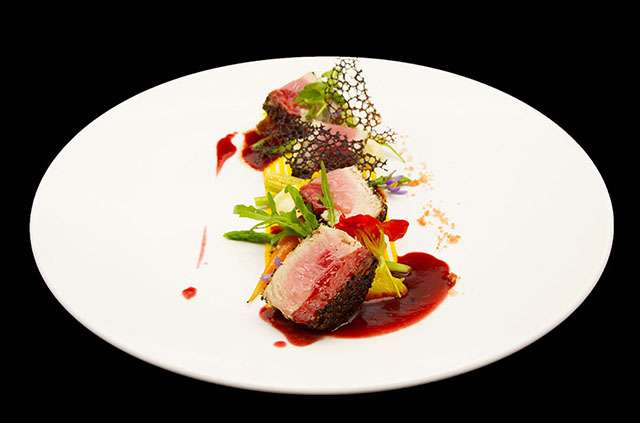
French culinary methods can bring structure to that abundance. A carefully reduced stock intensifies seafood flavor. A precisely cooked tuna steak can retain a tender center while gaining a delicate seared crust. A composed salad can combine crisp vegetables, herbs, and citrus dressing with seafood in a way that feels light but complete.
| Vietnamese Ingredient |
French Technique |
Result On The Plate |
| Fresh local fish |
Pan-searing or gentle roasting |
Crisp exterior with moist, tender flesh |
| Prawns and shellfish |
Court-bouillon or aromatic poaching |
Clean flavor with subtle fragrance |
| Fish stock |
Reduction and sauce building |
Concentrated depth without heaviness |
| Lime, herbs, and chili |
Finishing and seasoning |
Brightness, freshness, and balance |
| Seasonal vegetables |
Blanching, glazing, or careful sautéing |
Clear texture and natural sweetness |
Texture, Temperature, And Presentation
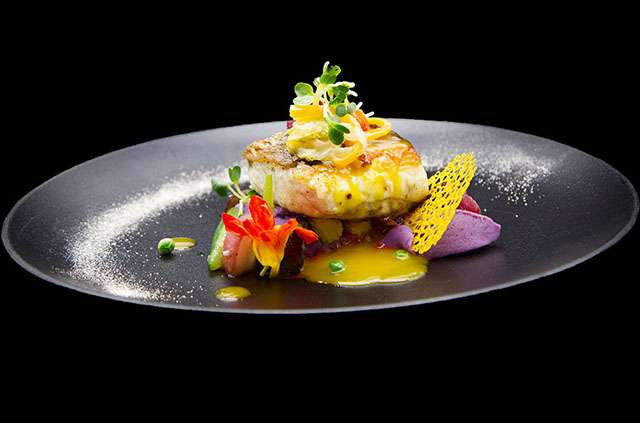
Fine dining is often defined by details that are easy to overlook. Seafood may be served with contrasting textures, such as a crisp garnish alongside soft fish, or a silky sauce against fresh vegetables. French technique provides a useful vocabulary for creating those contrasts while keeping the plate composed.
Temperature also shapes the dining experience. A warm seafood entrée may be paired with a cool herb salad, while a delicate preparation can be finished with a hot sauce just before service. These decisions help each component retain its identity and give the guest a more layered tasting experience.
Presentation completes the connection between French refinement and Vietnamese color. Herbs, sliced chilies, citrus, and vegetables can provide visual brightness without becoming decoration for its own sake. The plate remains elegant, but its ingredients still communicate the freshness and vitality associated with Saigon food.
A Dining Experience Rooted In Saigon
The restaurant’s location on Dong Du Street places this culinary style in the center of District 1, close to major hotels, shopping streets, cultural sites, and evening attractions. That makes a seafood dinner easy to pair with a day of exploring Ho Chi Minh City, whether visitors are discovering historic architecture or walking through the busy streets near the Saigon River.
Travelers interested in the city’s history may also plan a meal after visiting the Cu Chi Tunnels guide. Returning to District 1 for a calm dinner creates a useful contrast with a daytime excursion: an active cultural experience followed by carefully prepared food and attentive service.
The cozy atmosphere adds to that sense of transition. Guests can enjoy a relaxed setting while tasting dishes that reflect both Vietnamese culinary heritage and French restaurant culture. It is an approach that makes the meal feel connected to the city rather than isolated from it.
What To Expect From The Menu
A chef-led menu gives the kitchen room to work with seasonal produce and available seafood. Dishes may change according to freshness, but the overall style remains consistent: quality ingredients, clear flavors, considered presentation, and techniques that emphasize rather than conceal the main component.
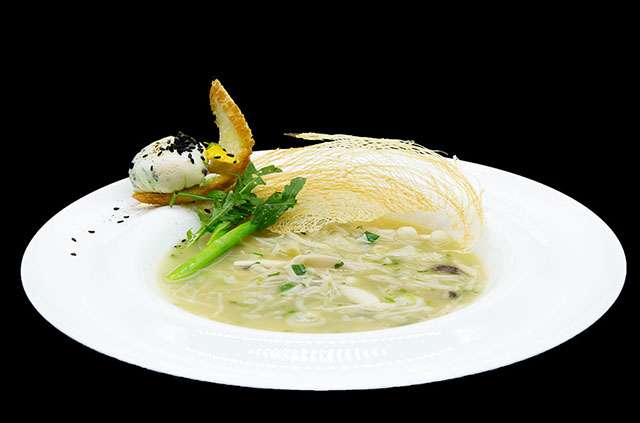
The broader menu can appeal to different preferences. Seafood-focused plates sit alongside options such as tuna steak, mushroom soup, salads, rice noodle beef rolls, and other Vietnamese-inspired dishes. This variety makes the restaurant suitable for groups who want to explore several aspects of contemporary Vietnamese and French-Vietnamese cuisine.
For the best experience, diners should allow time to enjoy the progression of the meal. Begin with a lighter salad or soup, continue with a seafood preparation, and finish with a balanced dessert or another small course. The pacing gives the sauces, textures, and aromatic ingredients space to stand out.
Make Your Saigon Dinner Part Of The Journey
- Reserve ahead when planning an evening meal in District 1.
- Ask about the chef’s current seafood selection and seasonal preparations.
- Pair rich sauces with fresh salads, herbs, or citrus-forward sides.
- Allow time for a relaxed fine dining experience rather than a rushed meal.
- Combine dinner with nearby cultural attractions and an evening walk.
French technique gives local seafood a polished framework, while Vietnamese ingredients preserve the sense of place. At Duong Restaurant Saigon, this meeting of traditions offers visitors a thoughtful way to experience Ho Chi Minh City through flavor, hospitality, and craft. Reserve a table and discover how fresh Saigon seafood can be transformed through a distinctly Vietnamese and French culinary lens.