How Duong Restaurant Saigon Builds A Weekly Tasting Menu
A weekly tasting menu is a moving portrait of Ho Chi Minh City. At Duong Restaurant Saigon on Dong Du Street, the chef-led approach begins with Vietnamese ingredients and familiar flavours, then gives them a refined French influence. Each menu is designed to feel considered rather than predictable, with a balance of seafood, meat, vegetables, broth, herbs and carefully judged sauces.
For Australian diners used to seasonal produce, concise menus and attentive service, the appeal lies in that sense of movement. A visit may include rice noodle beef rolls, tuna steak, mushroom soup or a seafood course, yet the sequence changes according to market availability and the chef’s view of what belongs together.
| Menu-building stage |
Chef’s focus |
What reaches the diner |
| Market review |
Seasonality, freshness and supply |
Ingredients at their best |
| Menu composition |
Texture, colour and progression |
A balanced tasting sequence |
| Kitchen trials |
Portion size, heat and timing |
Consistent, polished courses |
| Service planning |
Allergies, pacing and hospitality |
A relaxed fine-dining experience |
Reading Saigon’s Market
The process starts with the local market rather than a fixed list of dishes. The chef considers what is arriving fresh, from fish and shellfish to herbs, mushrooms, greens and fragrant aromatics. Vietnamese cooking depends on this freshness: lime, chilli, mint, coriander, fish sauce and ginger can change the character of a plate within minutes.
A weekly menu also needs practical flexibility. Seafood may be at its best on one delivery day, while vegetables can vary in size, sweetness and texture. The chef therefore builds around reliable ingredients and adjusts the supporting elements, keeping the menu coherent without forcing produce into a predetermined recipe.
This market-led style is familiar to diners in Australia, where farmers’ markets in Melbourne, Sydney and Brisbane encourage seasonal buying. It also suits visitors who make dining part of a broader city itinerary; the restaurant’s Saigon attractions guide helps place a meal within the neighbourhood’s food, culture and sightseeing options.
Mapping The Tasting Sequence
Once the ingredients are selected, the chef maps the meal as a progression. A light opening may awaken the palate, followed by a more substantial beef, seafood or noodle course. Richness is then balanced with herbs, pickles, vegetables or a clean broth, before a final course leaves the diner satisfied without feeling weighed down.
Portions are important in a tasting menu. Each plate should offer enough to communicate an idea while leaving room for the courses that follow. The chef considers not just individual flavour but also how salt, acidity, spice, sweetness and fat accumulate across the entire dinner.
The weekly planning process commonly gives attention to:
- A gentle opening that establishes the restaurant’s Vietnamese identity
- Contrasting textures, such as crisp rice paper and tender beef
- Seafood or meat courses placed at the right point in the meal
- Broths, herbs and acidic garnishes to refresh the palate
- A final course that feels complete rather than excessive
Balancing Vietnamese Roots With French Technique
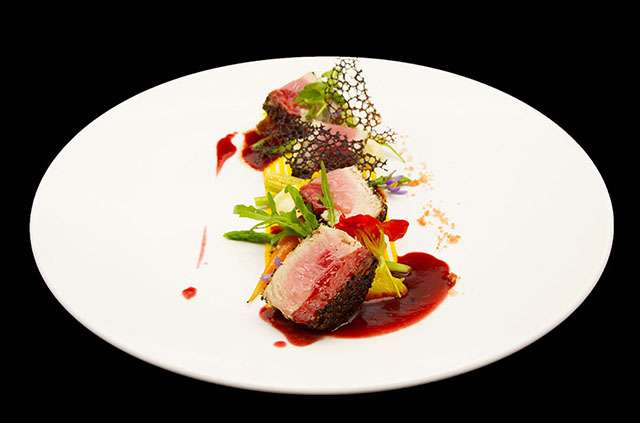
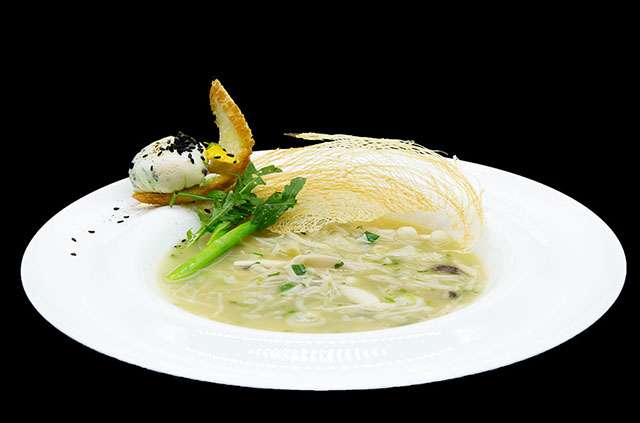
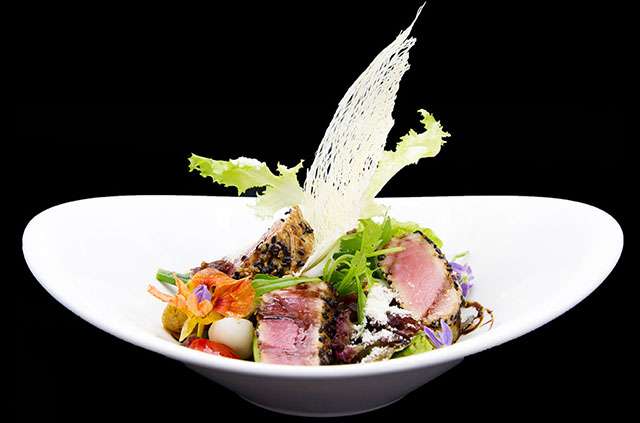
The fusion works best when technique supports the ingredient instead of hiding it. A French-style reduction may give depth to a Vietnamese-inspired dish, while careful searing can bring out the character of tuna or seafood. A classic mushroom soup can gain extra fragrance from local herbs, pepper or a delicately seasoned stock.
Rice noodle beef rolls demonstrate the same principle. Their appeal comes from contrast: soft noodles, savoury beef, fresh herbs and a wrapper or garnish that adds structure. The chef can refine the presentation and sauce while retaining the recognisable flavours that make the dish distinctly connected to Vietnam.
For Australian guests, this balance can feel especially accessible. Diners in Perth, Adelaide and Canberra often seek international food that is authentic in spirit but polished in execution. Duong’s menu offers a bridge between the freshness and directness of Vietnamese cooking and the measured presentation associated with contemporary fine dining.
Testing Texture, Heat And Timing
A dish may look finished on paper and still need several kitchen trials. The chef tastes each component separately, then tests the plate as a whole. This is where a sauce may be sharpened with lime, a garnish reduced, or a cooking time adjusted by seconds to protect the texture of fish, beef or vegetables.
Timing also matters because a tasting menu is served in a sequence. A crisp element must reach the table before it softens, while a soup or sauce needs to be hot without overwhelming delicate ingredients. Front-of-house staff and cooks coordinate so that each course arrives with the intended temperature and pace.
The kitchen checks several details before a dish enters service:
- Whether the seasoning remains balanced in a small portion
- Whether crisp, creamy, chewy and tender elements contrast clearly
- Whether the plate can be reproduced during a busy sitting
- Whether garnishes add flavour instead of serving as decoration
- Whether the course fits comfortably before and after its neighbours
Australian dining habits make this consistency valuable. Guests may book an early dinner before an evening show, or expect a relaxed meal that still finishes at a predictable time. Clear communication about pacing helps the restaurant deliver both hospitality and precision.
Designing The Atmosphere Around The Food
A tasting menu is shaped by the room as much as the kitchen. Duong Restaurant Saigon’s cosy setting gives the chef space to present detailed plates without making the experience feel formal or distant. Service can explain an unfamiliar ingredient, describe a sauce and quietly monitor the pace of the meal.
The restaurant’s wider cultural setting also informs the mood. Guests interested in Vietnamese performance traditions can explore its guide to traditional music venues, then return to the table with a stronger sense of the sounds and customs surrounding the cuisine.
Drinks, water service and dietary communication are part of this planning. Australian diners commonly ask about gluten, shellfish, dairy, nuts and fish sauce, while vegetarian and alcohol-free preferences are increasingly routine. The kitchen can discuss suitable adjustments clearly, in line with the food-allergen communication expectations that apply to food businesses under Australia’s Food Standards Code.
Refining The Menu For The Week
Before the menu is finalised, the chef considers the rhythm of actual service. Ingredients are ordered in realistic quantities, preparation is divided across the kitchen team, and each course is checked for waste, holding time and consistency. This discipline allows creativity to remain practical rather than turning the tasting menu into a one-night experiment.
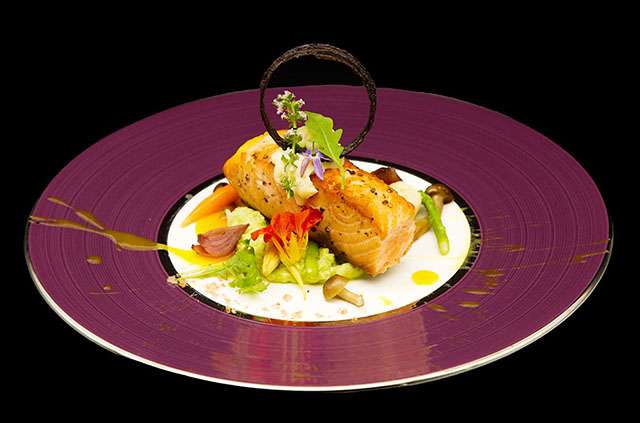
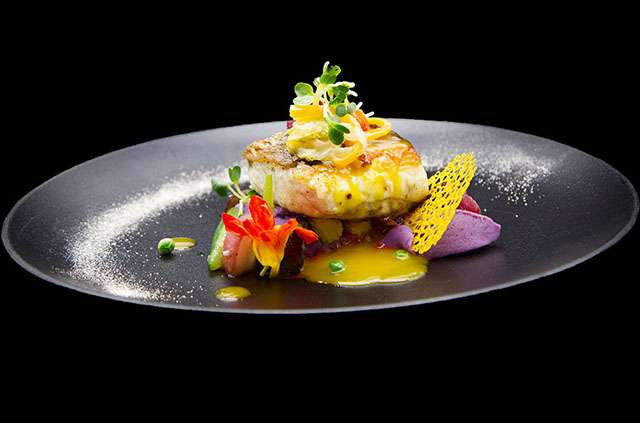
The final selection may include familiar Duong dishes alongside seasonal variations. A seafood course can change with the catch, a salad can gain new herbs and textures, and a tuna steak can be paired with a different Vietnamese-inspired accompaniment. The identity of the restaurant stays steady while the details respond to the week.
A visit to the Cu Chi Tunnels can add another layer to a Ho Chi Minh City itinerary, especially for travellers combining history and food. After a day outside the city centre, a thoughtfully paced tasting menu provides a comfortable way to return to Saigon’s culinary character.
Reserve a table at Duong Restaurant Saigon to experience the chef’s seasonal interpretation of Vietnamese and French flavours, served in a warm District 1 setting where each course reflects the week’s ingredients and the kitchen’s careful preparation.