How Duong Restaurant Saigon's Chef Chooses the Catch at Dawn
Each morning in Ho Chi Minh City, while most of District 1 is still sleeping off the night before, a quiet ritual unfolds along the canal near Binh Dien. Long before the sun burns the haze off the Saigon River, chefs from the city's best kitchens are elbowing through wholesale seafood halls, leaning over ice-packed crates, and tapping fish with the back of a fingernail to test the flesh. Among them is the head chef of Duong Restaurant Saigon, whose French-Vietnamese menu leans heavily on the freshness of every prawn, clam and tuna loin he brings back to Dong Du Street.
Anyone who has wandered through Sydney Fish Market at 4am knows the feeling. The wet concrete underfoot, the clang of ice shovels, the salty sting in the nostrils - seafood buying is a sensory sport in both countries. In Melbourne, the seafood hall at Queen Victoria Market opens early for trade buyers and serious home cooks alike, and in Brisbane, the weekend seafood auctions at Eat Street have grown into a destination for chefs hunting something unusual. The rhythms differ, but the discipline is identical: get there before the best fish is gone, and never accept second-best.
For the team at Duong, the market visit is not a chore but the foundation of the entire menu. A tuna steak that arrives tired will never recover in the pan, and a clam that smells of anything other than the sea will betray a risotto in three bites. That is why the chef walks the floor himself, six mornings a week, refusing the convenience of a middleman. He treats the trip the way Australian producers treat their morning milk runs - the quality is decided long before service begins.
A quick look at how wholesale seafood buying compares across the two regions shows why the chef's routine is so unforgiving.
| Aspect |
Ho Chi Minh City wholesale halls |
Australian wholesale markets |
| Buying hours |
Roughly 2am to 6am |
Roughly 4am to 8am |
| Typical buyer |
Restaurant chefs, street vendors, hotel buyers |
Restaurant chefs, fishmongers, serious home cooks |
| Negotiation |
Expected and lively; prices shift by the hour |
More standardised, though relationships still matter |
| Sourcing focus |
Local river fish, prawns, squid, clams, imported tuna |
Wild-caught snapper, barramundi, prawns, tuna, oysters |
| Atmosphere |
Loud, fast, highly tactile; ice and chatter |
Brisk but orderly, with strict cold-chain rules |
Before Sunrise at the Wholesale Market
The alarm goes off at 1.45am. By 2.15am, the chef is on a motorbike weaving through streets that are still alive with the tail end of District 1's night trade - the bia hơi stalls, the late-night taxi queues, the durian carts. The wholesale hall at Binh Dien is already humming. Crates of tiger prawns sit under blue light, and the air is thick with crushed ice and diesel from the refrigerated trucks idling at the loading bays.
In Australia, the equivalent buyer would already be wearing a beanie against the chill of a Sydney winter morning, nursing a flat white from a nearby café while waiting for the auction bell. The two worlds feel very different on the surface, but the urgency is the same: the first pick of the catch goes to whoever arrives first. The chef likes that pressure. He grew up watching his grandmother haggle over crabs at a provincial market, and he treats every transaction as a small duel, smiling, patient, and absolutely unwilling to leave without the right piece of fish.
Reading the Catch
Choosing seafood is a craft that rewards the senses more than any certification. The chef has developed a checklist over two decades, and he runs through it on every single piece he considers.
- Bright, clear eyes that bulge slightly, not sunken or cloudy
- Firm flesh that springs back when pressed, leaving no fingerprint
- Gills the colour of dark beetroot, slick rather than slimy
- A clean seawater smell with no trace of ammonia or sourness
- Shells that close tightly when tapped, or stay shut when lifted
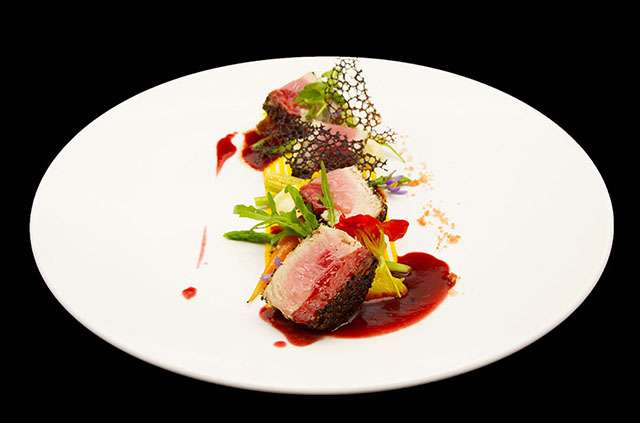
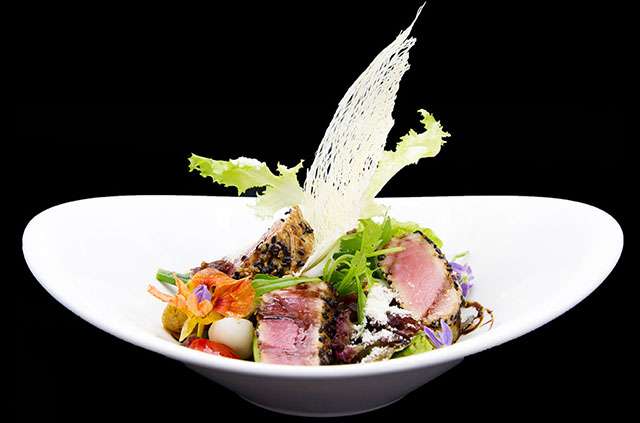
He is particularly fussy about the tuna destined for the restaurant's seared steak. Australian diners who have paid top dollar at a Sydney fishmonger for sashimi-grade tuna will recognise the same scrutiny - the cut must look almost translucent, and the marbling should be fine and even. A tired tuna steak costs less at the stall but ruins the dish at the table, so the chef happily walks away from a bargain.
Sourcing for the Fusion Menu
The French-Vietnamese menu at Duong is built around a handful of hero proteins, and each one demands a different buying strategy. The rice noodle beef rolls are the easy part - beef is sourced separately - but the seafood side requires daily recalibration.
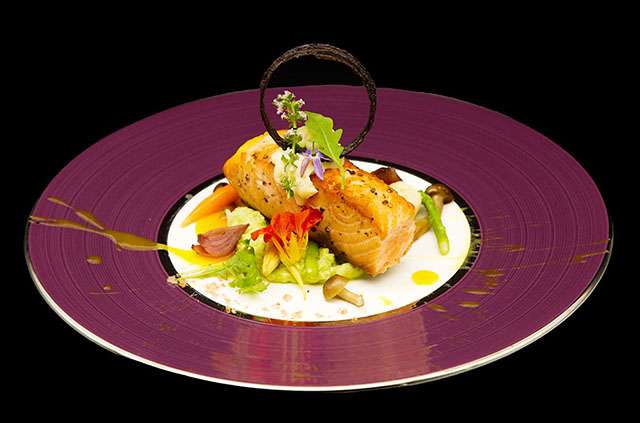
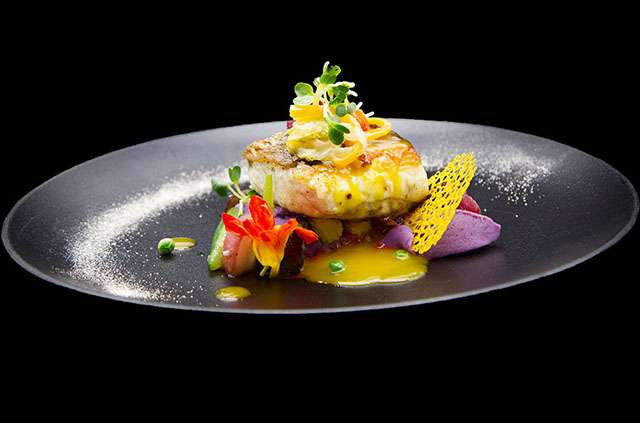
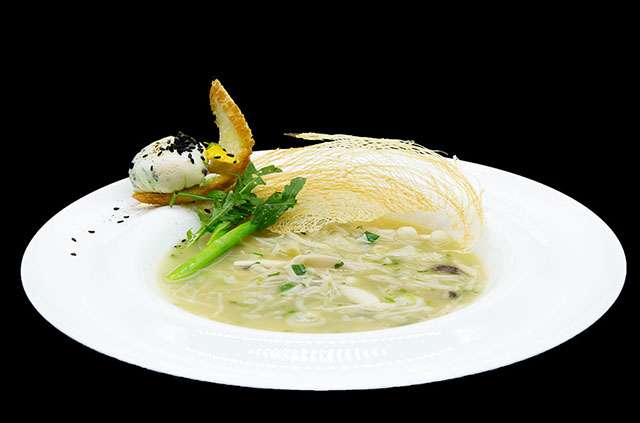
For the signature mushroom soup, which is finished at the table with slivered scallops, he chooses small, sweet bay scallops from the Mekong Delta. For the seafood platter, he goes heavier: whole squid with skin that still shimmers, black tiger prawns the size of a man's hand, and clams that will open like flowers in a hot pan. The tuna steak is bought whole when possible, then broken down in-house so the trim can go into staff meals and stocks. Nothing is wasted, a habit that would not feel out of place at a sustainable-minded Melbourne or Perth kitchen. The full menu of dishes that depend on these morning picks is laid out at what to eat in HCMC, where the seafood side of the kitchen is explained in detail.
Building Trust with the Suppliers
This is also where the chef's relationship with regular suppliers pays off. When a rare piece arrives - a particularly plump mud crab, a batch of silver pomfret caught overnight - he gets a call. He has earned that loyalty the way Australian farmers earn theirs: by paying on time, by never arguing a fair price, and by never sending back fish he has personally approved.
Over the years he has built a short mental list of what separates a reliable seafood supplier from a risky one.
- They call before the rush, not after, when the pick is still wide open
- They tell him honestly if a piece is past its best, rather than burying it in the bottom of a crate
- They keep their ice clean, their scales honest, and their crates labelled
- They remember which cuts his menu needs and have them ready when he walks in
- They accept a returned fish without argument, because the trust matters more than the sale
There is a subtle economy of trust at work. A supplier who knows the chef will refuse anything but the best will stop offering him anything but the best. A new buyer, by contrast, will often be quietly palmed off with yesterday's catch for the first few months. The chef remembers his own apprenticeship, when he was sent home with a crate of tired snapper because the stallholder wanted to teach him humility. He smiles about it now, but the lesson stuck. Decades on, his suppliers ring him before the morning rush, and his name on a waiting list is treated like a handshake.
Bringing It Back to the Kitchen
The ride home is the most dangerous part of the morning. The seafood is packed tight between layers of flake ice in insulated boxes, strapped to the back of the bike with bungee cords. By the time the chef pushes through the door of the restaurant on Dong Du Street, the kitchen team is already brewing the first broth of the day and laying out the brasserie-style pass.
Fileting begins immediately. Fish are portioned into single servings, vacuum-sealed, and labelled with the date and the supplier's name. Prawns are headed and deveined on the spot. Clams are washed twice in salted water and held on trays over ice. The chef likes to joke that if a mate from a Bondi surf club saw his prep list, he would laugh at how similar the discipline is to a beachside fish co-op back home. The ocean is the ocean, and the rules of handling it do not change with the postcode.
By the time the first guests wander in for an early dinner, the seafood is already at its peak. The chef is back at the pass, tasting a broth, adjusting a seasoning, quietly satisfied with another morning's work.
Book a table through Duong Restaurant Saigon and see how a 2am market run lands on the plate at dusk.