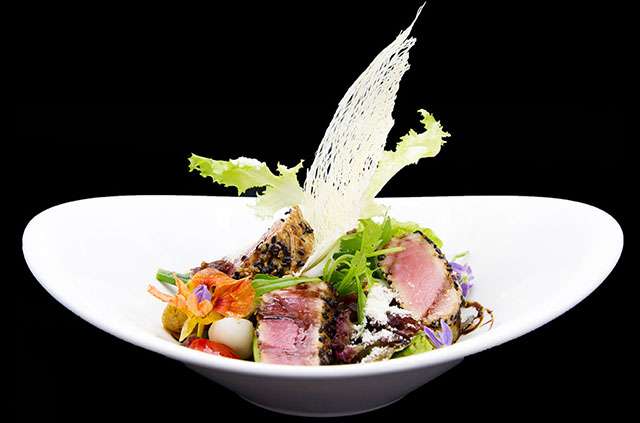
Fresh herbs at Duong Restaurant Saigon
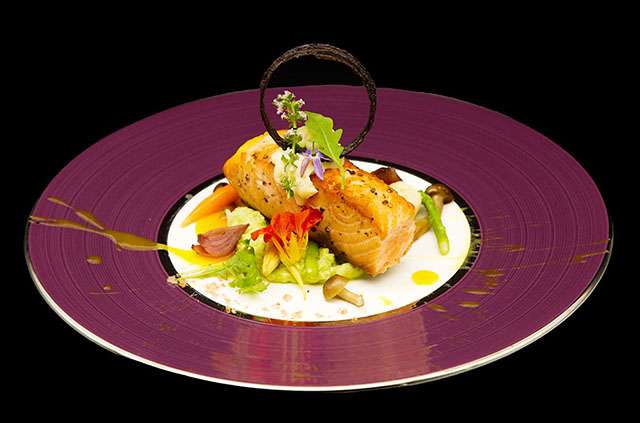
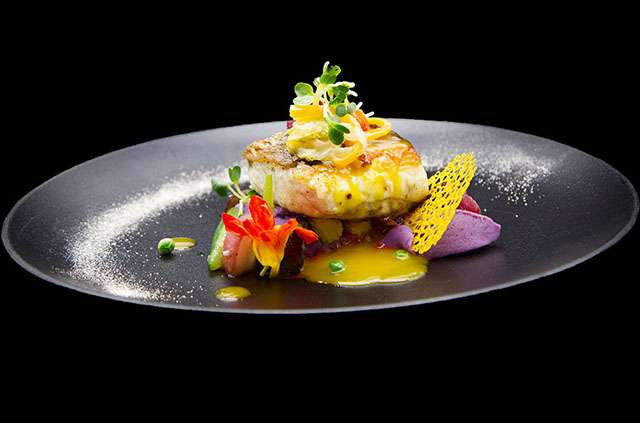
How Duong Restaurant Saigon uses fresh basil, mint, and cilantro is central to the restaurant’s Vietnamese-French identity. These fragrant leaves bring brightness, lift rich sauces, and give each plate a clean, aromatic finish without overpowering carefully prepared seafood, meat, noodles, or vegetables.
For Australian diners, the appeal is familiar yet distinctive. The herbs recall the freshness of Sydney Fish Market produce, the colour and variety found at Melbourne’s Queen Victoria Market, and the relaxed pleasure of sharing several dishes over a long dinner. In Saigon, however, basil, mint, and cilantro are part of a daily food culture shaped by heat, markets, and generations of cooking knowledge.
Why fresh herbs matter in Saigon cooking
Vietnamese cuisine often builds flavour through contrast. A savoury broth may need mint’s coolness, while a grilled item can benefit from the peppery edge of Thai basil. Cilantro adds a citrus-like lift that helps balance fish sauce, caramelised ingredients, chilli, and buttery French techniques.
Fresh leaves also create texture. They may be torn over a dish, folded into rice noodle beef rolls, scattered across a salad, or served as an aromatic garnish. This approach means herbs are not treated as decoration; they are an active part of the bite, changing the way the sauce, protein, and vegetables taste together.
The character of basil, mint, and cilantro
Basil brings a warm, slightly sweet aroma with a gentle peppery note. In Vietnamese-inspired cooking, it is especially effective with seafood, grilled meats, noodles, and dishes containing chilli. Its fragrance holds up well against stronger flavours, making it a natural bridge between fresh local ingredients and French-style reductions.
Mint works differently. Its cool, almost floral quality refreshes the palate after a rich mouthful, while cilantro provides a sharper green note with hints of citrus and spice. Used together, the three herbs give a layered finish: basil for depth, mint for freshness, and cilantro for brightness.
A simple guide to each herb
The best herb depends on the dish’s weight, aroma, and main ingredient. Duong’s chef-led menu can use a single leaf for emphasis or combine several varieties to create a more complex finish.
| Herb |
Main flavour |
Best role on the plate |
Natural pairings |
| Fresh basil |
Sweet, peppery, aromatic |
Adds warmth and fragrance |
Seafood, noodles, grilled meat |
| Fresh mint |
Cool, floral, refreshing |
Cuts richness and refreshes |
Salads, rice noodle rolls, vegetables |
| Fresh cilantro |
Citrusy, green, lightly spicy |
Sharpens and balances savoury flavours |
Broths, seafood, sauces, salads |
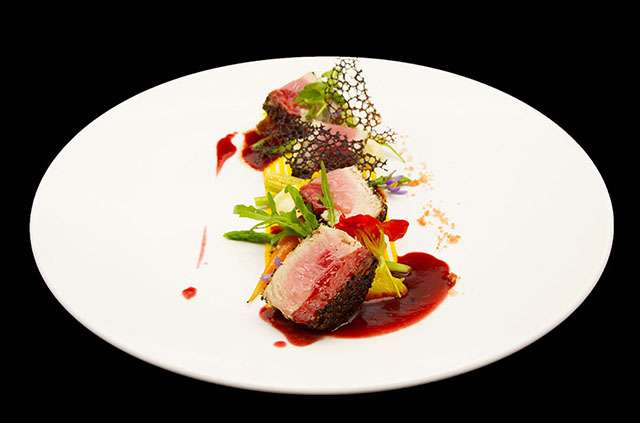
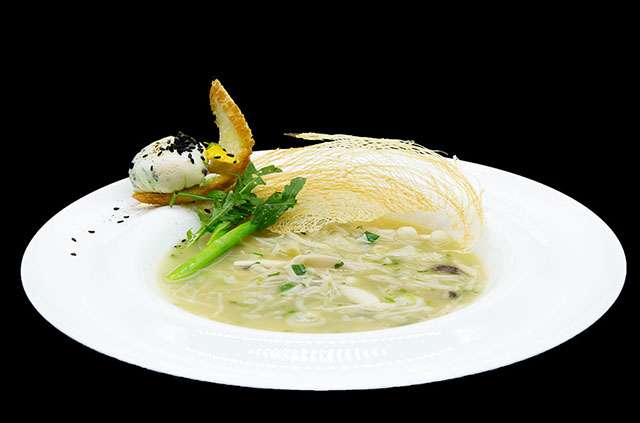
The result is a style that feels light without being plain. A rich tuna steak can be made more inviting with a fresh herb accent, while mushroom soup gains contrast from a small green garnish or finely chopped aromatic leaves.
From market freshness to the dining room
Freshness begins with selection. Leaves need to be vibrant, crisp, and fragrant, with no dull colour or bruising. In Ho Chi Minh City, warm weather makes careful handling particularly important: herbs are best used promptly, kept cool, and added close to service so their essential oils remain lively.
Timing matters in the kitchen as well. Some basil may be added near the end of cooking to preserve its aroma, while mint and cilantro are often finished raw. This protects their delicate texture and keeps the flavour clean rather than muted. It also allows the chef to adjust the final balance after tasting the sauce or broth.
Australian visitors may notice a familiar market-to-plate sensibility. Diners who shop at Adelaide Central Market or Brisbane’s Jan Powers Farmers Markets understand how much difference a crisp bunch of herbs can make. At Duong, that everyday freshness is refined through French presentation and precise cooking.
Pairing herbs with Duong’s menu
Herbs can guide diners through a meal, especially when sharing is part of the experience. Seafood benefits from bright, clean flavours, while salads and noodle dishes allow the leaves to become more prominent. For ideas on matching ocean flavours with the menu, the restaurant’s seafood dining guide offers useful context for choosing a dish.
A balanced selection might include:
- Rice noodle beef rolls with mint and cilantro for freshness
- Seafood with basil to add aromatic warmth
- Tuna steak with herbs that lift its rich, delicate flavour
- Mushroom soup finished with cilantro for a clean contrast
- A crisp salad carrying mint through every mouthful
The herbs also make a shared meal feel more dynamic. One guest may notice basil first, while another picks up mint or cilantro in the finish. This variation suits Australian dining habits, where groups often order several centre-of-table plates and compare flavours rather than following a fixed course pattern.
A relaxed Saigon dining ritual
The setting helps these flavours unfold. Dong Du Street places the restaurant close to the energy of District 1, yet a cosy dining room gives guests space to slow down. After exploring the Opera House, Nguyen Hue Walking Street, or nearby riverside areas, a herb-focused meal offers a refreshing change from the heat and bustle outside.
Australian travellers often plan dinner around practical details such as an early booking after a long flight, dietary preferences, and a clear budget in Australian dollars. Duong’s attentive service makes it easier to discuss ingredients and choose a comfortable progression from salad or soup to seafood, beef, noodles, and dessert.
The restaurant’s wider Ho Chi Minh City guides can also help visitors shape an evening beyond the meal, including these poker table tips for travellers considering entertainment options. The focus remains simple: good food, thoughtful hospitality, and flavours that reflect where you are.
A visit is especially rewarding when guests take time to notice how each herb changes the plate. Look for these details during dinner:
- The aroma released when basil meets warm food
- The cooling finish of mint after a savoury bite
- The citrus-like lift of fresh cilantro
- The way herbs balance fish sauce, chilli, or creamy textures
- The contrast between raw leaves and cooked ingredients
Reserve a table at Duong Restaurant Saigon on Dong Du Street and experience how basil, mint, and cilantro turn fresh Vietnamese ingredients into a polished, memorable meal.