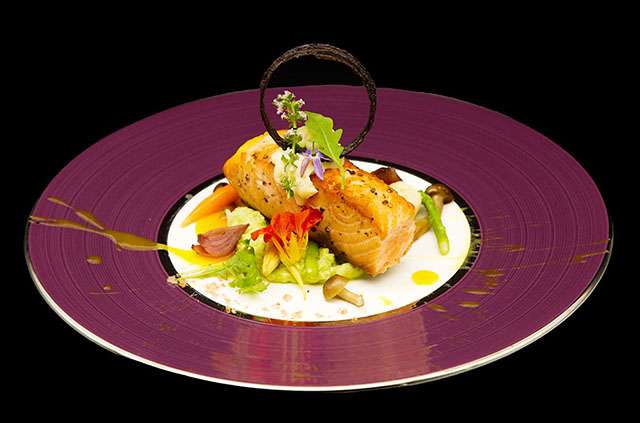
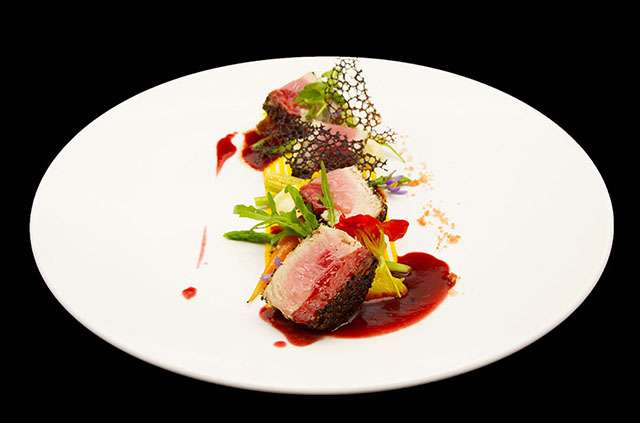
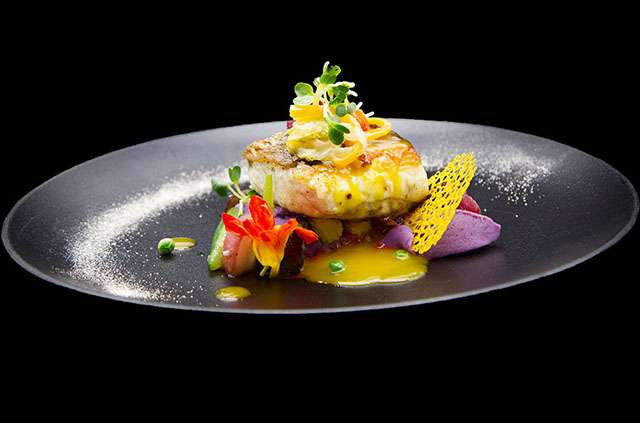
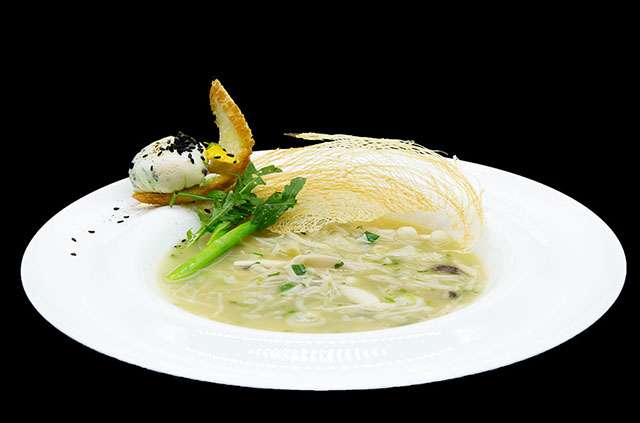
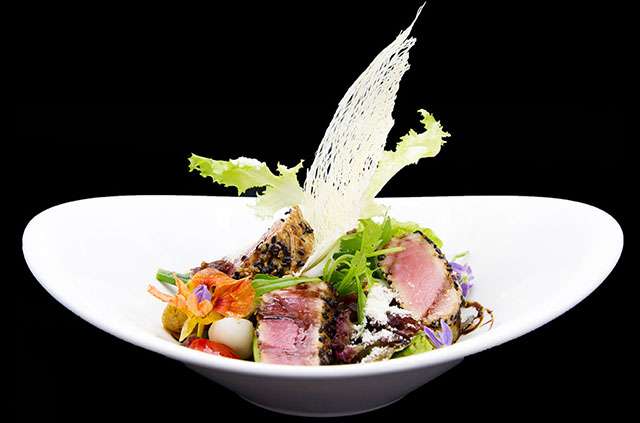
Tropical fruit in the savory courses at Duong Restaurant Saigon
Ho Chi Minh City's tropical climate feeds a year-round harvest of mangoes, pomelos, pineapples, passionfruit, and soursop, and the chefs at Duong Restaurant Saigon treat this bounty as a structural ingredient rather than a sweet afterthought. Long before a plate reaches the table on Dong Du Street, fruit has already shaped the marinade, the salad, and the final spoonful of sauce.
For Australian travellers planning a Vietnam itinerary, or curious diners interested in modern Vietnamese fusion, the restaurant's fruit-led savoury courses offer a vivid counterpoint to heavier European traditions. Sydney and Melbourne eaters may already know how well mango cuts through grilled prawns on a hot afternoon; in Saigon, that intuition is taken further by a chef-led menu that experiments with local produce every season.
Vietnam's tropical pantry on the plate
The Mekong Delta produces several million tonnes of fruit a year, and Ho Chi Minh City's wholesale markets turn that volume into a daily working larder for serious kitchens. At Duong Restaurant Saigon, the fruit section of the kitchen reads like a spice rack: each item has a known job, whether brightening a rich broth or softening the char on grilled protein.
Soursop and custard apple lend a creamy, almost dairy-like texture to veloutés and soups. Pineapple brings both acidity and bromelain, an enzyme that tenderises meat when used thoughtfully in marinades. Passionfruit, with its sharp floral acidity, slips into pan sauces the way lemon would in a French bistro. The fruit rarely shouts about itself; instead, it makes every other flavour sit up straighter.
Mango, pomelo, and citrus in Vietnamese salads
Salad is where the fruit-forward approach shows itself most clearly. The kitchen leans on several signature pairings that Australian readers will recognise from their own cafés and home cooking:
- Green mango shredded with pickled carrot, herbs, and dried shrimp, dressed with fish sauce, lime, and palm sugar.
- Pomelo segments tossed with chicken, toasted coconut, and fried shallots in a tamarind dressing.
- Star apple or green papaya with perilla, Vietnamese mint, and crushed peanuts.
- Soursop cream spooned under seared scallops as a cool counterweight to caramelised edges.
- Pomelo and crab salad, where the fruit's juiciness replaces the citrus typical of Western seafood plates.
Each combination relies on the same trick: a crisp, watery fruit carries acidity and aroma, while herbs, protein, and toasted nuts deliver the savoury weight. It is the balance Australians chase when they squeeze lime over a prawn stack on a warm Brisbane afternoon.
Pineapple and passionfruit with seafood
Tropical fruit and seafood are natural companions, and the restaurant treats them with the seriousness of a French sauce course. A tuna steak might arrive brushed with a passionfruit and white pepper reduction, the fruit's perfume lifting the fish's richness while keeping the surface glossy.
Pineapple often appears in two roles. In one dish it is charred briefly on the grill until its sugars caramelise, then set against prawns in a tamarind broth. In another, raw pineapple is folded into a ceviche-style preparation where its enzymes gently "cook" the shellfish in citrus and chili. Both treatments echo how many Australian seafood restaurants finish grilled coral trout with a fruit salsa, but they go further by using fruit as the marinade rather than a garnish.
How fruit shapes each savory course
A grid of pairings below sketches how the kitchen uses different fruits to anchor specific dishes and what each one contributes to the plate.
| Fruit |
Typical savory role |
Texture on the plate |
Flavor contribution |
| Green mango |
Slaw, pickle, salad base |
Crisp, juicy |
Bright acidity, mild sweetness |
| Pineapple |
Marinade, grilled, ceviche |
Firm raw, soft cooked |
Acidic, caramelising when charred |
| Pomelo |
Salad segments, dressing oil |
Juicy, tender pulp |
Mild citrus, gentle bitterness |
| Passionfruit |
Pan sauce, glaze |
Smooth, seedy |
Sharp floral acidity, lift |
| Soursop |
Soup, cream, sauce |
Velvety, custard-like |
Subtle sweetness, dairy body |
| Dragon fruit |
Garnish, salsa |
Crunchy seeds, watery flesh |
Neutral, colour and freshness |
Reading across the rows, fruit at the restaurant is rarely decorative. Each choice is doing structural work, whether cutting fat, carrying heat, or tying herbs to protein.
Why these flavours travel well to Australia
Australians already share a deep affection for tropical fruit in savoury contexts. Kensington Pride mangoes from the Northern Territory and Bowen in Queensland are sold by the box at farmers' markets each summer, and the appetite for mango salads, pineapple salsas, and lime-laden ceviches is well established across Sydney, Melbourne, and Brisbane kitchens.
Strict Australian biosecurity rules mean that fresh whole passionfruit and other warm-climate fruit cannot always be brought back through customs, which sharpens the appetite to taste them at the source. Vietnamese fusion restaurants across Melbourne's inner suburbs have built menus around this idea, but few push fruit as far into the savoury register as a Saigon kitchen can, because the supply chain there is local and immediate.
Travellers from Darwin, where the climate mirrors southern Vietnam almost month for month, will find the flavours especially familiar. The difference is technique: at Duong Restaurant Saigon, fruit is handled with the discipline of a classical French sauce, layered into composed plates rather than tossed casually on top.
Reading the seasonal menu for fruit-forward plates
A good way to follow the chef's thinking is to check the seasonal menu guide on the restaurant's website, which is updated as the markets change through the year. As a rule of thumb, expect the heaviest fruit presence in these courses:
- Tuna or salmon tartare finished with pomelo, lime, and toasted rice powder.
- Mushroom soup swirled with a soursop cream and a drizzle of passionfruit oil.
- Rice noodle beef rolls served with a green mango and herb dipping salad.
- Seared scallops over a pineapple-ginger reduction with fresh chili.
- Coconut-poached chicken with a pomelo, peanut, and herb slaw.
- Tuna steak glazed with passionfruit and white pepper, served with charred greens.
When two or three of these courses land together, the meal feels like a guided tasting of southern Vietnam's climate. The fruit is rarely the loudest note, but pull it out mentally and the dish loses its lift.
Plan your visit and reserve ahead
For diners mapping a Ho Chi Minh City trip, a fruit-led menu is best explored over a long, unhurried evening. Reserve ahead, mention any fruit sensitivities, and ask the team which dishes lean most heavily on seasonal produce that week. Walk-ins are welcome when the dining room allows, but the chef's tasting flow is easier to enjoy with a confirmed booking on Dong Du Street.