How the French baguette shaped banh mi at Duong’s sister restaurant
The French baguette did more than lend bánh mì its nickname. Introduced through colonial-era bakery craft, the long, crackling loaf became a flexible base for Vietnamese flavours. The result combines airy bread with cool pâté, sharp pickles, herbs and chilli, creating the distinctly Saigonese sandwich recognised worldwide.
At Duong’s sister restaurant, that inheritance is approached with a chef-led eye. Bread remains central, while careful seasoning, attentive service and a cosy setting recall the energy of a Vietnamese deli. Australian diners can find recognition in the familiar format and discovery in the refined presentation.
A French loaf finds a Vietnamese voice
French colonial rule transformed baking in Vietnam by introducing wheat-based bakery methods and long, crusty loaves. Local bakers adopted the craft, adapting it to available flour, humidity and preferences. Their baguette was a working partnership: French technique filtered through Vietnamese hands.
The name records that change. Bánh means bread or cake, while mì points to wheat, originally distinguishing wheat food from rice-based dishes. In everyday use, bánh mì came to mean the baguette sandwich whose fillings could change with the season, neighbourhood and diner.
In Saigon, the loaf became more than a recipe. Its crackle brought crunch to soft fillings, its length invited generous portions, and its hollow spaces held juices without collapsing. Visitors can pair the restaurant with a broader day exploring Ho Chi Minh attractions around District 1.
From colonial import to everyday staple
After independence, southern Vietnamese bakers kept the baguette tradition alive, turning it into affordable everyday bread rather than an elite import. Flour, oven knowledge and long hours in bakeries produced a resilient local loaf that could stand up to bold fillings and fast turnover.
The modern sandwich belongs to that history of adjustment. Pâté, cold cuts, pickled carrot and daikon, cucumber and chilli remain central, while grilled meat, seafood or tofu reflect local preferences. Each filling changes the balance, yet the bread provides the common thread.
Food history offers a useful parallel. A classic Scottish cranachan combines oats, cream, whisky and berries into something distinct from its source traditions, just as the bánh mì transforms the baguette through local technique, seasoning and the shared habit of eating on the move.
The baguette inside a chef-led kitchen
At Duong’s sister restaurant, the baguette is a culinary reference point rather than a colonial artefact. The chef-led approach keeps its contrasts central: warm bread against cool accompaniments, crisp vegetables against rich fillings, and familiar herbs against layered sauces.
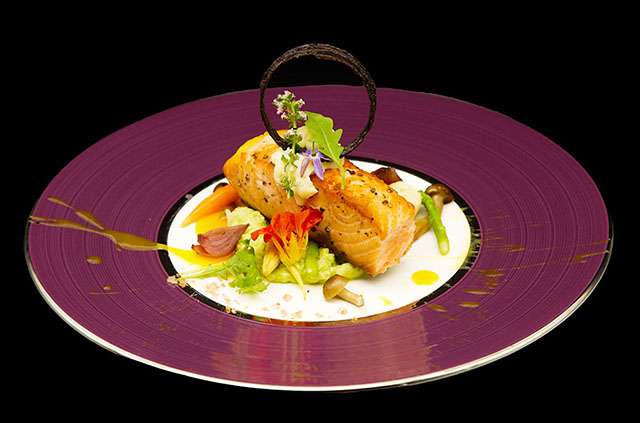
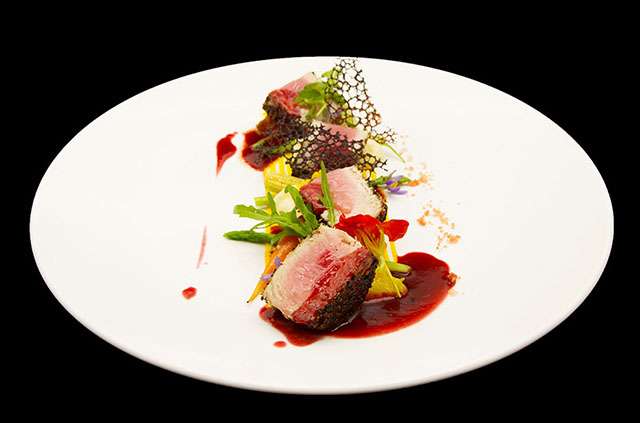
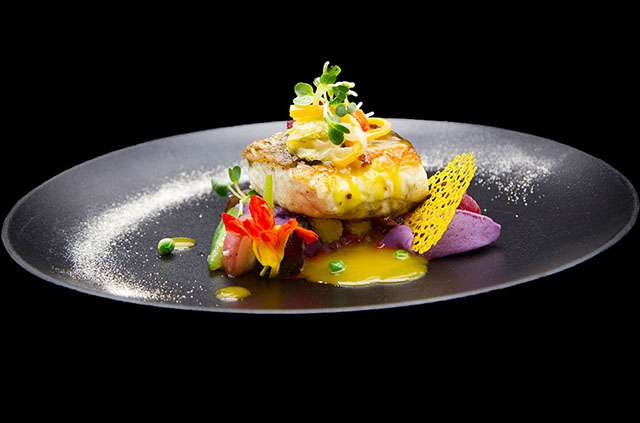
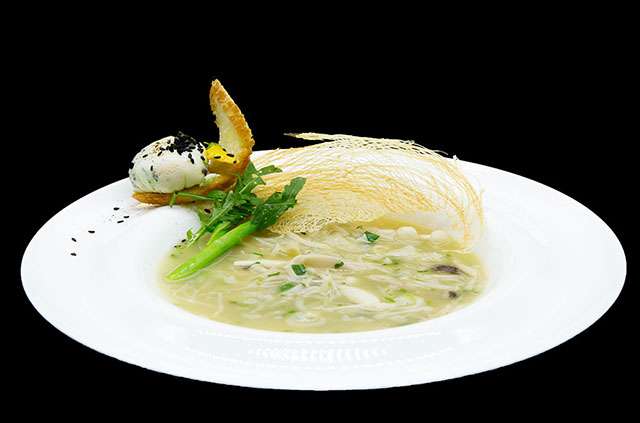
The Duong’s photo gallery captures the restaurant’s warm, intimate character and previews the balance behind the meal. Images of the room and plates show how attentive service and relaxed sharing can coexist without losing the food’s Vietnamese character.
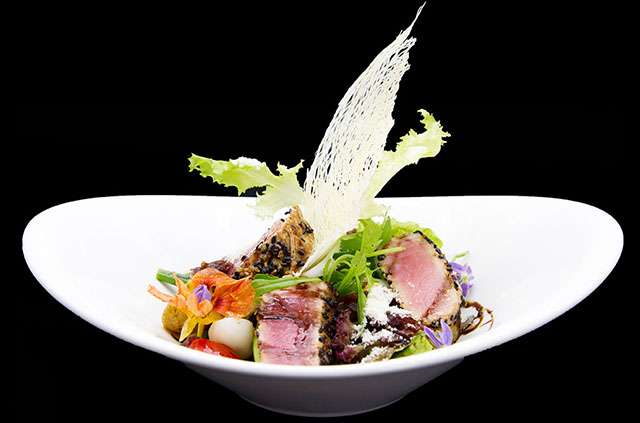
The wider menu follows the same logic. Rice noodle beef rolls echo the pleasure of a tightly filled roll, while seafood, tuna steak, mushroom soup and salads extend the dialogue between French technique and Vietnamese ingredients. The bánh mì sits naturally within that breadth.
Comparing the classic loaf and its fine-dining evolution
At a neighbourhood deli, the bánh mì is assembled for speed and carried in one hand. At Duong’s sister restaurant, the same elements can be considered more slowly: bread warmed to order, portions balanced, and garnishes selected for aroma, acidity and texture.
| Feature |
French baguette tradition |
Saigon street-style bánh mì |
Duong’s sister restaurant |
| Bread |
The loaf carries the meal |
The same crusty base, often warmed |
A controlled element in a wider tasting |
| Fillings |
Butter, cheese or charcuterie |
Pâté, cold cuts, tofu, pickles and herbs |
Familiar flavours with chef-led precision |
| Balance |
Simple and direct |
Rich, sharp, fresh and hot together |
Acidity and texture designed for a seated meal |
| Setting |
Bakery counter |
Street stall or neighbourhood deli |
Cosy fine-dining room |
This comparison concerns emphasis, not authenticity. A French boulangerie centres the loaf; a Saigon seller builds a whole meal around it; the sister restaurant connects street memory with fine dining. The baguette remains the bridge.
Why Australian diners recognise the bánh mì tradition
Many Australians first meet bánh mì in a suburban food strip rather than overseas. Sydney’s Cabramatta and Melbourne’s Victoria Street are known for Vietnamese bakeries, delis and lunch counters, offering a preview of the bread, herbs and pickles shaping the Saigon original.
At Australian counters, it is often called a banh mi roll. Diners ask for extra chilli, skip pâté or choose tofu; office workers order during a short break, while families collect sandwiches for a weekend meal. The order-and-go rhythm feels familiar even when the ingredients are new.
Australian travellers often connect food with a wider holiday. If Saigon is one stop before a separate reef excursion, checking current Great Barrier Reef slots early can prevent schedule pressure and leave time to explore the restaurant’s broader French-Vietnamese menu.
Recommendations for a flavour-focused Saigon visit
Treat the bánh mì as the start of a wider tasting rather than an isolated sandwich. Notice the bread first, then follow how chilli, fermentation, sweetness, herbs and texture carry through the meal.
Begin with the perfect start appetizers guide, then choose small plates to share. This creates room for the sandwich’s bold flavours while showing how the kitchen balances seafood, salads and sauces.
- Reserve ahead for dinner or a busy weekend lunch in central Saigon.
- Ask how the baguette is warmed and how its texture shapes the filling.
- Share the appetizers before ordering richer mains or seafood.
- Pair the sandwich with Vietnamese iced coffee or tea to soften chilli.
- Leave space for a chef-led main such as tuna steak or mushroom soup.
Reserve a table and taste the history
The history of the bánh mì rewards attention to detail: the crackle of the crust, the order in which crunch and acidity arrive, and the way a French loaf becomes Saigonese through its filling. Duong’s cosy, chef-led setting makes that history approachable.
Use the published reservation details for Duong Restaurant Saigon on Dong Du Street to secure a table, then arrive ready to share the meal. Your first taste of the bánh mì at Duong’s sister restaurant will make the history of the baguette immediate.