How Saigon weather shapes Duong Restaurant Saigon’s drink menu
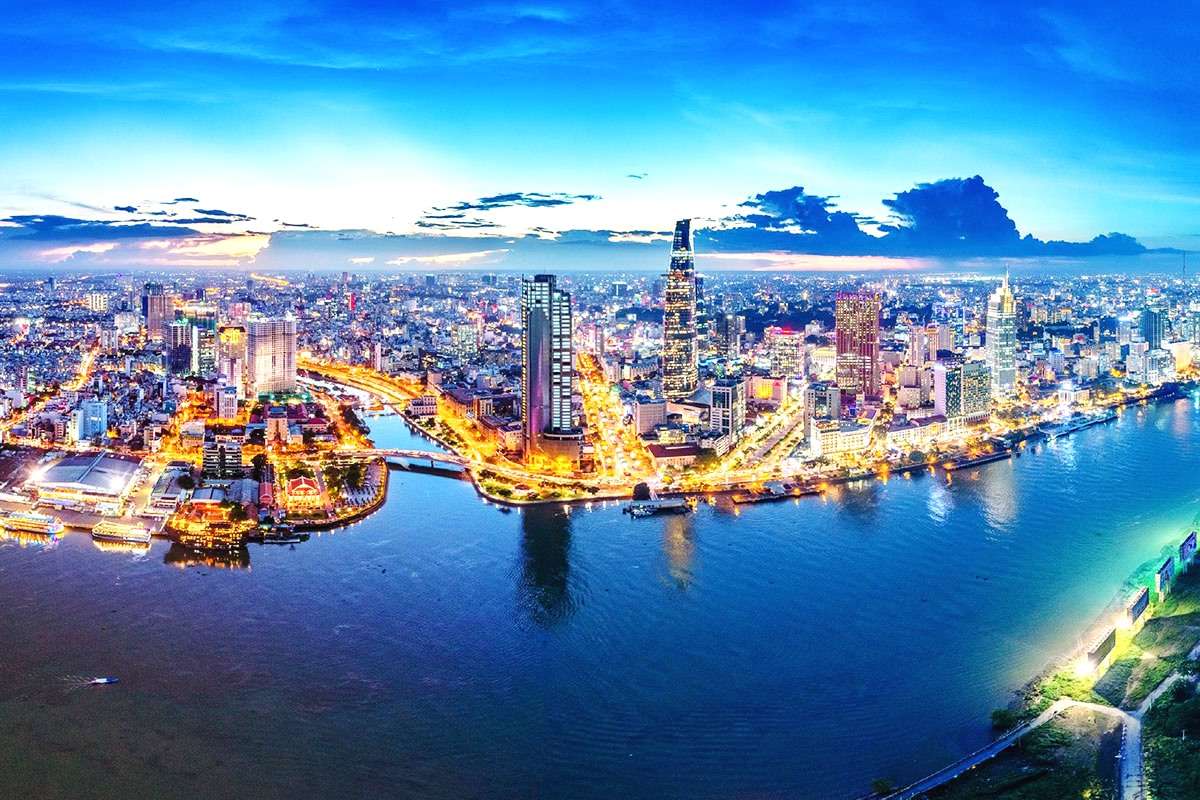
Saigon’s weather is a powerful influence on the way people eat and drink. Ho Chi Minh City is warm throughout the year, with intense sunshine, high humidity and a rainy season that can transform a relaxed afternoon into a sudden downpour. At Duong Restaurant Saigon, these conditions help shape a drinks experience that feels refreshing, balanced and suited to the city.
The restaurant’s Vietnamese and French fusion cooking benefits from drinks that can handle bold herbs, seafood, grilled flavours and delicate sauces. A crisp cooler may suit a humid lunch, while a fuller wine or carefully made cocktail can bring structure to an evening meal on Dong Du Street.
For Australian diners, the contrast is easy to notice. Someone arriving from a dry Melbourne summer, a humid Brisbane afternoon or a tropical Darwin wet season will recognise parts of Saigon’s climate, though the heat and rainfall can feel more concentrated. The menu responds with the same practical idea Australians often appreciate: drinks should be enjoyable, food-friendly and appropriate for the moment.
Weather also affects the rhythm of dining. Guests may arrive seeking a cool, non-alcoholic refresher after walking around District 1, then move towards wine, Vietnamese coffee or a spirit-based drink as dinner unfolds. This flexibility gives the beverage menu a distinctly local character.
| Saigon condition |
Suitable drink direction |
Dining moment |
| Hot, sunny afternoon |
Citrus coolers, iced tea, coconut and fruit drinks |
Lunch or a break from sightseeing |
| Heavy rainy-season shower |
Warming coffee, tea or structured wine |
Long dinner indoors |
| Humid evening |
Light cocktails, sparkling wine and crisp whites |
Seafood and salads |
| Rich, aromatic dishes |
Herbal, slightly tart or dry drinks |
Chef-led tasting experience |
Heat calls for freshness
High temperatures make refreshment the first priority. Drinks with citrus, herbs, chilled tea, soda or tropical fruit can cleanse the palate without overwhelming Vietnamese-inspired dishes. Lime, calamansi, lemongrass, mint and ginger are especially useful because they provide fragrance as well as acidity.
This approach works beautifully with dishes such as rice noodle beef rolls, salads and seafood. A lightly sweetened iced tea can echo fresh herbs, while a sharp citrus drink can cut through richer sauces. The result is a beverage pairing that feels cooling rather than heavy.
Australians are familiar with this preference through the popularity of sparkling water, spritzes and cold brew coffee. The difference in Saigon is the local ingredient palette: coconut, pandan, Vietnamese citrus and fragrant herbs give familiar drink styles a stronger sense of place.
Rainy afternoons change the mood
Saigon’s wet season brings dramatic showers, often arriving quickly after a bright morning. Rain can make the city cooler for a short time, but the humidity remains, so the ideal drink still needs to be refreshing. A chilled herbal tea or a balanced cocktail can provide comfort without becoming cloying.
For diners who have been caught in the rain near Ben Thanh Market or while exploring Nguyen Hue Walking Street, a restaurant becomes more than a place to eat. It offers a pause from wet pavements, traffic and umbrellas. Duong’s cosy atmosphere makes that pause especially suited to a slower drink and a generous meal.
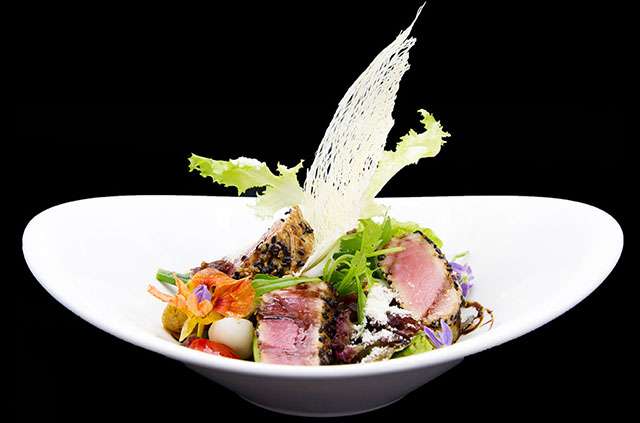
The weather also encourages drinks with layers. Vietnamese coffee, served hot or over ice, offers roasted depth after a shower. French-influenced wine choices can bring a gentle warmth to an evening, particularly alongside mushroom soup, tuna steak or other savoury dishes.
Tropical ingredients meet French technique
Duong Restaurant Saigon’s fusion identity is reflected in the way local flavours can be presented with polished technique. Vietnamese ingredients often bring brightness and aroma, while French dining traditions contribute balance, restraint and an appreciation for food-and-wine harmony.
A drink inspired by lemongrass, ginger or tropical fruit can be prepared with the clarity expected in a fine-dining setting. Rather than relying on sweetness alone, the best combinations use acidity, bitterness and herbal notes to keep the palate alert in warm weather.
This is important with seafood and salads, where an overly powerful drink can hide the freshness of the food. The restaurant’s seasonal salad guide offers useful context for understanding why changing produce also calls for changing drink pairings.
Drinks for Australian tastes
Australian diners often look for a broad beverage choice. A couple from Sydney might want a crisp white wine with seafood, while friends from Melbourne may prefer a thoughtful cocktail or a quality alcohol-free option. In Brisbane, guests are accustomed to managing humidity with cold drinks, and visitors from Perth often appreciate bright, dry flavours after a day outdoors.
The local market has also moved beyond the assumption that every guest wants a large, sweet or high-alcohol drink. Moderation, premium soft drinks, botanical infusions and alcohol-free pairings have become more visible across Australian restaurants. Terms such as “a lighter option” or “something refreshing for the arvo” are common ways to express that preference.
Duong’s setting suits this variety. One guest can choose Vietnamese coffee or iced tea while another explores wine, beer or a cocktail, without making the table feel divided. That flexibility is valuable for Australian travellers sharing a meal across different drinking preferences.
Pairing drinks with the menu
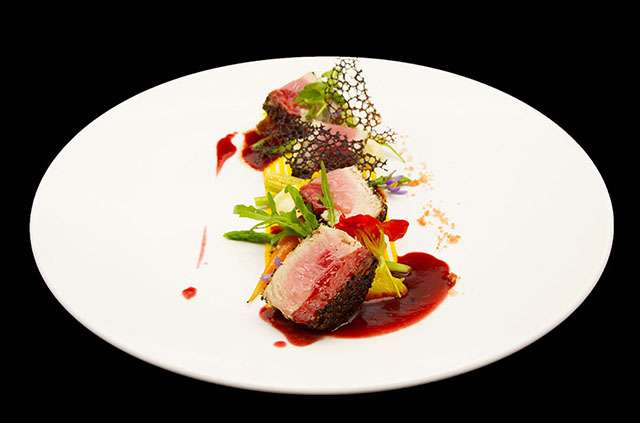
The strongest pairing begins with the main ingredient and cooking style. Seafood generally benefits from a crisp white wine, sparkling drink or citrus-led cooler. Tuna steak can work with a dry, lightly aromatic wine or a cocktail that has enough acidity to match its texture.
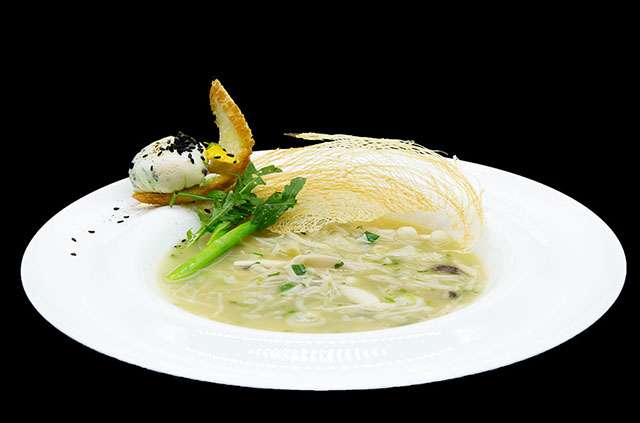
Mushroom soup calls for a different direction. Its earthy flavour can be complemented by roasted coffee, a subtle red wine or a drink with gentle spice. Rice noodle beef rolls may pair well with something herbal and refreshing, helping balance the savoury filling and dipping sauce.
Salads are particularly responsive to weather and season. Fresh leaves and herbs often suit a bright drink at lunchtime, while a more composed salad with grilled elements may support a fuller pairing in the evening. The aim is to keep the meal coherent from the first sip to the final course.
The best time to explore the menu
A midday visit is ideal for discovering the cooling side of the beverage selection. After sightseeing through District 1, guests can settle into a cold tea, fruit-forward drink or sparkling option before moving on to seafood, salads or a lighter main course.
Dinner reveals another side of the menu. As the temperature softens, wine, cocktails and Vietnamese coffee become more natural companions for a longer meal. The indoor atmosphere also makes it easier to linger, especially when rain is falling outside.
Australians used to early dinners may find that Saigon dining encourages a slower pace. A booking around sunset leaves time to arrive before the heaviest evening traffic, enjoy a first drink and let the meal develop course by course.
Practical choices for a weather-led visit
A few simple choices can make the experience more comfortable and better matched to Saigon’s climate:
- Choose citrus, herbal or sparkling drinks after walking in the midday heat.
- Match crisp whites or light cocktails with seafood, salads and fresh herbs.
- Consider Vietnamese coffee or tea when rain creates a cooler evening mood.
- Ask about alcohol-free options if the table prefers moderation or has an early start.
- Allow extra travel time during heavy showers, especially around District 1 traffic.
Checking the restaurant’s reservation details before setting out is sensible during busy evenings and wet-season weather. It also helps guests plan a relaxed arrival rather than rushing from a sightseeing stop.
At Duong Restaurant Saigon, the drink menu is part of the wider dining experience: it responds to heat, rain, local produce and the character of Vietnamese-French cuisine. Book a table on Dong Du Street and discover how the right drink can make Saigon’s changing weather feel like part of the meal.