How to Bring Your Own Wine to Duong Restaurant Saigon
Bringing a bottle to Duong Restaurant Saigon can make a dinner on Dong Du Street feel more personal, especially for a birthday or shared celebration. Because corkage and service rules can change, arrange the wine with the restaurant before the visit rather than assuming an outside bottle is accepted or free.
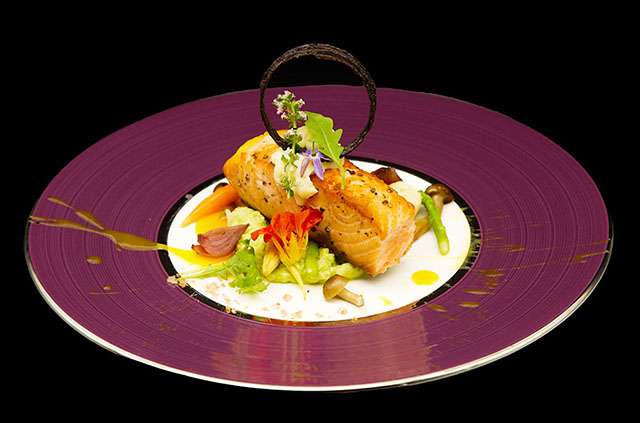
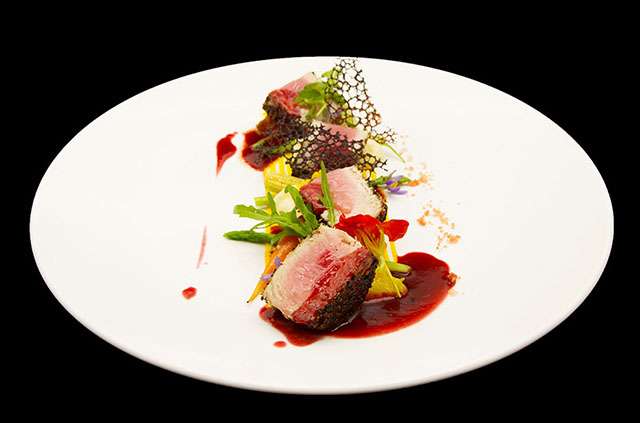
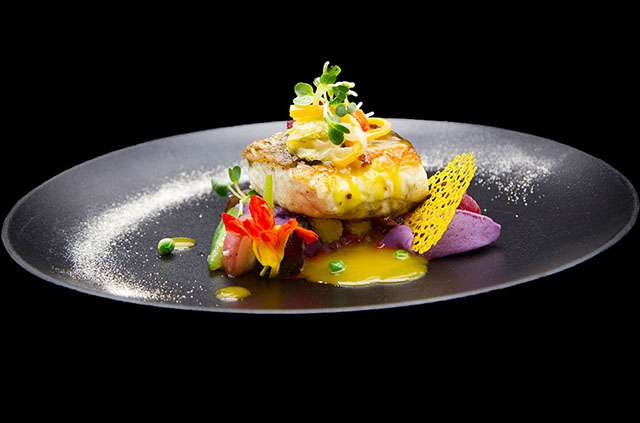
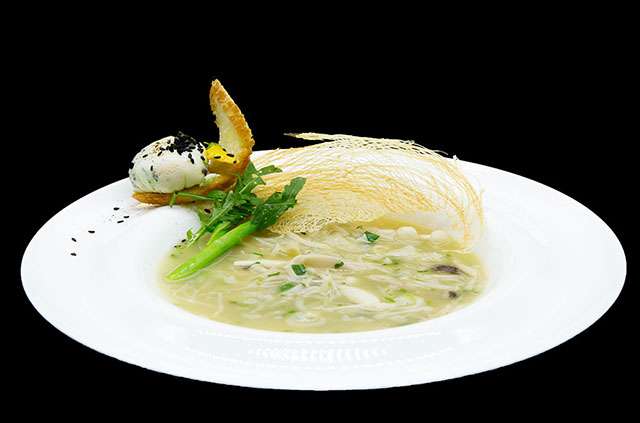
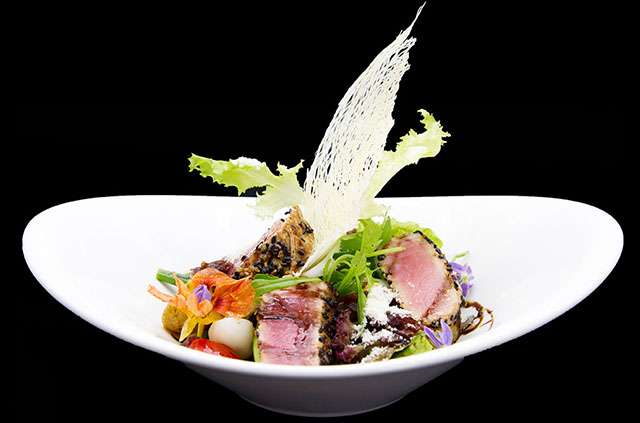
Duong’s Vietnamese-French style makes pairing more nuanced than simply ordering the same bottle found on an Australian wine list. Rice noodle beef rolls, tuna steak, seafood, mushroom soup, salads and herb-led plates move between delicate aromatics, acidity, chilli and rich French sauces.
Bring-your-own (BYO) wine is familiar in Melbourne, Sydney and Brisbane, where groups often share a bottle over a long lunch or dinner. Australian bottle-shop prices can undercut restaurant prices because GST generally does not apply to wine. Adelaide’s nearby Barossa Valley and McLaren Valley labels make varietal names familiar to many diners, while liquor law differs across states and territories, including South Australian dry-area restrictions.
Australian habits do not override Vietnamese rules. Vietnam regulates alcohol service through licensed premises and prohibits sales to people under 18. If you carry wine from Australia, check the airline’s baggage limits and Vietnamese customs declaration requirements; buying from a licensed Saigon retailer avoids international baggage restrictions, though corkage terms still apply.
Confirming corkage and bottle rules
At Duong Restaurant Saigon, outside wine should be arranged as a corkage request. When reserving, ask the team to confirm approval for your date, the current charge per bottle, accepted bottle sizes and formats, and any conditions for sparkling or already opened wine. Bring the bottle only after those arrangements have been agreed.
Send the producer, wine style and vintage before the evening. The team can advise on chilling, opening and decanting, particularly if the bottle is mature or needs to stand before service. This avoids a surprise charge, a bottle arriving without notice, or a celebration losing its intended pairing.
Choosing a bottle for the fusion menu
Start with the dishes likely to dominate the meal. A crisp Sauvignon Blanc or similar dry white suits tuna steak, seafood and salads, especially when herbs, lime or chilli sharpen the plate. A lightly oaked Chardonnay can handle creamy mushroom soup, while sparkling wine brings lift to the rice noodle beef rolls without overwhelming their savoury filling.
Keep the red choice moderate. Pinot Noir or another light-bodied red can work with beef rolls, while a fuller Rhône-style blend suits richer mushroom and French-inspired sauces. Skip heavily oaked Shiraz with bright fish and herb-heavy salads. For dessert, Duong’s crème brûlée guide describes its caramel and vanilla character; a brut sparkling wine echoes the toasted top, while a small late-harvest pour offers a sweeter alternative.
Preparing an Australian bottle for Saigon
Travel with an opened bottle is impractical, so pack a standard 750 mL bottle securely and keep the label visible for identification. Check the airline’s alcohol carriage rules, Vietnam’s personal-import requirements and any transit-country restrictions before departure. If customs or the airline prevents the bottle from arriving, choose a licensed Saigon retailer instead of attempting to carry it informally.
Plan around the restaurant’s location in District 1, not just its street address. Traffic around central Saigon can add time, and a bottle left in a warm car will not improve after a long transfer. A broader look at the Saigon fine-dining guide can help with neighbourhood timing, while the reservations team should confirm where to leave the bottle and when it can be opened.
Comparing BYO with the restaurant list
The practical choice depends on budget, bottle preference and how much effort you want at dinner:
| Consideration |
Bringing your own |
Ordering from the restaurant |
| Cost |
Purchase price plus confirmed corkage |
Menu price, with no corkage |
| Selection |
A specific vintage or producer you already know |
Curated Vietnamese and French choices |
| Pairing |
Requires your own matching effort |
Easier to align with each course |
| Service |
You arrange chilling, opening and decanting |
The team manages temperature and presentation |
| Planning |
Advance confirmation is essential |
The reservation normally settles the choice |
Ordering from the restaurant can be worthwhile when the bottle is unusual, the occasion calls for effortless service, or the dinner has many courses. Bringing your own usually gives better value when the wine is familiar, competitively priced and suitable for the menu.
Building a balanced pairing strategy
A good BYO bottle should support the meal without becoming the main event. These choices cover most of Duong’s menu:
- Match tuna steak and seafood with a crisp, dry white.
- Choose a light red for rice noodle beef rolls.
- Use a rounded white with creamy mushroom soup.
- Keep sparkling wine for arrival or a celebratory toast.
- Avoid highly oaked reds beside chilli, citrus and fresh herbs.
- Confirm the bottle, corkage and serving arrangements before booking.
Tell the team which courses you plan to order and when you would like the wine opened. A little coordination lets the kitchen pace the food and the bottle arrive at the right moment, especially for a birthday or a multi-course dinner.
Contact Duong Restaurant Saigon as part of your reservation, share the proposed bottle and agree the current corkage arrangements. Once those details are settled, your own wine can complement the restaurant’s Vietnamese-French cooking while keeping the evening relaxed and distinctly yours.